Apple Podcasts
 Spotify
 YouTube
 RSS Feed
 Embedded Wellness: A Psychologist Inside a Sheriff's Office — Dr. Cherylynn Lee | S6 E16
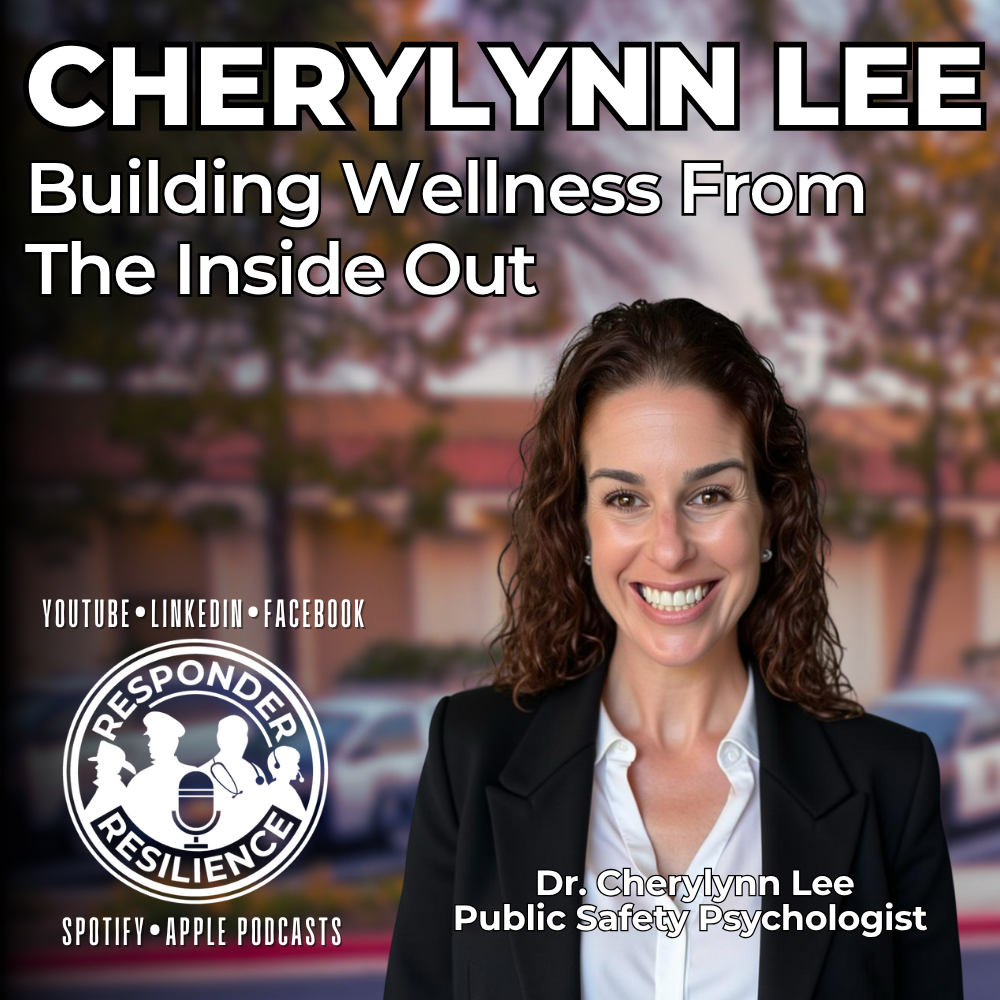
Dr. Cherylynn Lee works inside the Santa Barbara Sheriff's Office. Full-time. Every day. She's not observing the culture — she's inside it, earning trust in a world built, brick by brick, to never ask for help. She responds to active crises in the field. Sits on the crisis negotiation team. Has debriefed more than forty critical incidents — line-of-duty deaths, officer-involved shootings, mass casualty events — and then comes back the next day and does it again.
Most psychologists who work with law enforcement do it from a safe distance. They consult. They advise. They hand over a report and drive home.
Dr. Cherylynn Lee doesn't do that.
She works inside the Santa Barbara Sheriff's Office. Full-time. Every day. She's not observing the culture — she's inside it, earning trust in a world built, brick by brick, to never ask for help. She responds to active crises in the field. Sits on the crisis negotiation team. Has debriefed more than forty critical incidents — line-of-duty deaths, officer-involved shootings, mass casualty events — and then comes back the next day and does it again.
She also helped build Santa Barbara County's first law enforcement mental health co-response team from scratch. And now she's shaping wellness standards for the entire state of California. This is someone so embedded in law enforcement that when something terrible happens — and in this work, something terrible often happens — she's already there.
On this episode of Responder Resilience, we ask the questions that don't get asked enough. What does trust look like inside a culture that was never designed to be vulnerable? What patterns does she see in the officers who finally walk through her door — and what took them so long? How much of the cultural shift around mental health in law enforcement is real, and how much is performance?
The answers are not comfortable. They're not meant to be.
This is what embedded support actually looks like. Not from the outside looking in — but from inside the wire
Contact Dr. Cherylynn Lee:
LinkedIn: https://www.linkedin.com/in/cherylynn-lee-phd-6a1420120/
Contact Responder Resilience:
Phone: +1 844-344-6655
Email: info@respondertv.com
Our website with past episodes and more: https://www.respondertv.com/
YouTube: https://www.youtube.com/c/ResponderResilience
LinkedIn: https://www.linkedin.com/company/responder-resilience-podcast/
Instagram: https://www.instagram.com/responder.tv/
00:00 - Why Embedded Support Matters
04:00 - Operational Embedded Clinician Explained
05:33 - Trust Built Through Authenticity
07:33 - Lessons From A Police Psychologist Parent
10:38 - Building A Co-Responder Crisis Team
13:51 - Debriefs And Taking Off The Armor
23:59 - Retirement Risks And Lost Identity
27:51 - Wellness Must Be Funded To Last
33:02 - Peer Support Standards That Protect Trust
39:01 - Prevention Before Rock Bottom
Why Embedded Support Matters
SPEAKER_05
Being embedded allows me to be a part of the team and not be an afterthought, sort of a clinician that may be brought in as a consultant. One of the characteristics that I think therapists and cops and firefighters share is that we're people readers and bullshit readers, and they're very, very good at that. And so I think humbling yourself and realizing you might have letters after your name, but you have no idea what it's like to be in a situation where you might have to kill somebody to save your partner's life. It's something else to see a cop or a fireman choose to take that armor down and be the human forever changed by the call, be the human that saw their own kid in the baby's face, you know, while they were doing CPR.
Voiceover
Welcome to Respond to Resilience, along with Bonnie Rumley, LCSW EMT and David Dashinger. Today our guest is Dr. Sherilyn Lee. She's not observing law enforcement from the outside, she's embedded in it, running the behavioral sciences unit at the Santa Barbara Sheriff's Office, supervising deputies, responding to active crises in the field, and rebuilding what wellness actually means in a culture that was never designed to ask for help. This isn't theoretical, it's what real embedded support looks like, and it's changing everything. Thanks to our resource partner, First Responder Project, whose no-cost First Responder Retreats offer you a chance to reclaim connection and learn vital skills. This isn't just a retreat, it's a lifeline to keep you mentally strong at work and emotionally present at home. Take a stand for your well-being and the connections that matter most. Sign up now for your FRP retreat. Learn more and register at firstresponderproject.org. We invite you to like and subscribe, YouTube, Responder Resilience, Facebook, Responder TV, LinkedIn, Apple Podcasts, Spotify, and please go to our website, respondertv.com, for past episodes and guest information. We'll be right back to speak with Dr. Lee after this. Ask a first responder who they are. And you're likely to hear I am a police officer.
SPEAKER_05
I am a firefighter.
Voiceover
I am a personal.
SPEAKER_05
I am a 911 communication operator.
Voiceover
I do this work. Ask a clinician why they work with first responders. And they may say, Join us in taking a culture with mental health, wellness, and leadership of priority. And we're known as to carry the weight load. Welcome to responder reality. Celebrate the powerful wins that come from the great post-traumatic growth. We understand the culture, under the trust, and bring you conversations from the change makers, passionate about helping first responders come home. With your hosts, Retired Lieutenant David Datchinger, Dr. Stacy Raymond, and Bonnie Roomley, LCSW EMT. We're very happy to welcome Dr. Sherilyn Lee to the show today. She's a public safety psychologist who works full-time for a sheriff's office in California in an operational capacity. She's a member of the crisis negotiation team, provides threat assessment and management services, and oversees the department's wellness unit and peer support team. Dr. Lee also has a private practice through the Counseling Team International, where she exclusively works with first responders, offering individual counseling and emergency response services. Dr. Lee is chief psychologist for the California Peace Officer Standards and Training Post, teaches officer wellness in the Academy, and is also an instructor in the FBI 40-hour negotiators course. Dr. Lee, warm welcome to Responder Resilience.
SPEAKER_05
Thank you. Thank you so much for having me. Happy to be here.
Operational Embedded Clinician Explained
Bonnie Rumilly
We're so excited to talk to you, and it's great to meet you today. Thanks for taking the time. Right. So for our listeners and viewers, uh, walk us through the distinction of embedded clinician and what that really means on the day-to-day basis.
SPEAKER_05
Sure. Uh happy to do so. So I think, you know, in public safety, it has, it's no, it's not new that there are clinicians that are embedded within law enforcement and fire agencies. In fact, um, my mother was the chief police psychologist for LAPD for a number of years. And so, you know, standing on the shoulders of giants, you know, is sort of where I found myself. But historically, what most clinicians or psychologists do when they're embedded within public safety organizations is wellness for the employees, right? So they're seeing the employees one-on-one for therapy, or they're doing fitness for duty, or they're doing pre-employment examinations. They're sort of evaluative in nature. And the client, if you will, is the organization. My role within my department is not clinical, it's operational. And that's that's relatively new. And so uh my journey in law enforcement is uh coming up on its 10th year now. And it's interesting in that I started as a volunteer. So anyway, I have nobody to blame but myself. But generally speaking, what I do in terms of operations is I'm out in the field, I'm supporting law enforcement, supporting the community. It's much more community focused and law enforcement operation focused, and so on their work versus them as individuals. And so being embedded allows me to be a part of the team and not be an afterthought, sort of a clinician that may be brought in as a consultant, but sort of in the mix as things are unfolding to consult and advise.
Voiceover
What do you find is the most effective to kind of break down barriers and build trust on a day-to-day basis, especially as as you are embedded in the in the agency? What are some things that a clinician might need to know in order to kind of build that trust and get the rapport?
SPEAKER_05
Sure. You know, one of my uh clients once said uh in a really emotional session, uh, your candor is disarming. And that always sort of stuck with me. You know, uh one of the characteristics that I think therapists and cops and firefighters share is that we're people readers and bullshit readers, and they're very, very good at that. And so as if as a clinician you come in with anything other than authenticity, you can't be trusted. I mean, if you think about it, you know, the the job of public safety is to, you know, help the community, and the community isn't always telling the truth, especially if we think about law enforcement and the reason they might be on a call. And so, you know, they're constantly scanning the room for threats, and part of what's threatening is, you know, somebody that's not telling the truth. And so I think from a clinician perspective, you have to understand that, you know, authenticity matters. It doesn't mean that you don't have the clinical boundaries. It doesn't mean that you aren't a professional. It means they're human and you also have this skill set that can be applied to help the public safety professional that you're tasked with helping. So I think being authentic is the number one go-to. And also, you know, not being the smartest person in the room, I think that's just a good leadership quality anywhere. Um, as soon as you're the smartest person in the room, you've lost your effectiveness. As soon as you have nothing more to learn, you know, you've sort of lost, in my opinion, your ability to grow as an individual and within an organization. So I think humbling yourself and realizing you might have letters after your name, but you have no idea what it's like to be in a situation where you might have to kill somebody to save your partner's life, where you might have to pump on a kid who you know is dead, but the family's watching. And so you have to put on that show. And so you have to humble yourself uh within that authenticity.
Bonnie Rumilly
That's great advice and great insight for the viewers and listeners. I want to go back to you saying that your mom did this work. So obviously the therapist always wants to go back to childhood, right? Um I'd love to hear some more about what that was like for you to see your mom in that role. And then for you to, you said you're standing on the shoulders of giants, but what was it like seeing that and then becoming one yourself? Sure.
SPEAKER_05
Um, I think the best way that there's two core memories, I suppose, related to my mother's employment at LAPD. Uh the first one is being eight or nine and being um attached to my mom for take your mom to work day or take your not not take your mom to work day. Hold on a second. That's what I was doing.
Bonnie Rumilly
We do it, man.
SPEAKER_05
Take your daughter to work day. Good lord. Um, and so you know, I'm wearing, you know, a little suit for an eight-year-old with shoulder pads and, you know, being walked around with the chief and with my mom. And I could tell my mom was really proud of what she did and to have me there and show me off, I think, to, you know, the professionals that she was working with. So that's one core memory. The second one I have is of LAPD in plain clothes uh being outside of our house and taking me to and from appointments because one of the cops my mother benched because he was no longer fit for duty, made a threat against her. And so now, you know, we are being protected by the department um as a family. And so I distinctly remember being driven to my orthodontist appointment. Um, and I'm in the backseat and there's a cop in the front and my mother in the passenger side. So um, you know, I think um those are two things that I remember. But interestingly, I didn't follow in my mother's footsteps intentionally, completely by accident, that I ended up in law enforcement. And so um being uh an adult now and being in this field for 10 years, I still don't know much of what she did and how she dealt with it. She doesn't talk about it very much.
Voiceover
You're trained to help people heal, but first responders, they carry trauma that's buried under silence, stigma, and stress. Helping the helpers gives you the framework to connect, to speak their language, earn their trust, and actually make an impact. From the experienced team and clinicians behind the Responder Resilience podcast, this isn't theory. It's real-world support for the ones who need you most. And this book isn't just for clinicians. If you're an agency leader, peer support team, chaplain, EAP, wellness program coordinator, or family member, helping the helpers will equip you with the tools, language, and insight to make a difference. Be the resource they can count on. Order your copy of Helping the Helpers on Amazon today.
SPEAKER_05
Yeah, great question. Um, and you know, I think like most public safety organizations, we steal somebody else's good idea and we put our logo on it. And so I'd like to give credit where credit is due. You know, Los Angeles Police Department, Sheriff's Office, San Diego Police Department, they've had co-responder models for a number of years. Um, they're obviously much bigger metropolitan areas with a lot more uh politics and a lot more funding towards those kind of programs. So when I came on board in 2018, it was clear that we had an issue in our community of an increase in mental health calls for service. And our our deputies are not social workers, they're cops. And so they need some support in managing these calls. And so the model that we had previously to my coming into the county was our law enforcement would arrive on scene, they'd recognize, for example, David is in a mental health crisis, and then they would call out our uh clinician contingency at our county mental health authority, and they would come respond and write a hold or not. Now, that response time could be anywhere between 10 minutes to three hours. Because if you have one clinician working and responding to an entire county, including a jail, um, that's not a sustainable model. And so many of the individuals that were in crisis ended up in jail because the cops had to solve the problem and get back out on the street and go to work and deal with robberies and homicides and cop stuff. So it was that I borrowed a clinician, I beg forgiveness, I don't ask permission, right, wrong or indifferent, but um I borrowed a clinician, I borrowed a deputy, and we started our team one day every other week in 2018. And patrol started to recognize, oh, there's a specialty team that can come in, take over this call, I can go back to fighting bad guys. And not only are they taking over the call, they have more resources than I ever had as a patrol deputy. And so not only is the call getting dealt with, but the person in crisis is getting the help that they need, which prevents the next call and also helps with the helplessness sometimes that you know public safety feels on these kinds of calls. And so to make a long story short, um, it started with one day every other week. And then patrol was willing to go short one body in order to fund or to establish a full-time pilot program so that we can collect data, which eventually afforded us a grant. So I was able to procure a$2.145 million dollar grant, I think, which then started two teams. Um, and then you know, it just sort of took off. And now the Board of Supervisors said, Well, what about my region? You know, what about my constituents? We need a team up here. Um, and I think one of the things that I'm most proud of, and for anybody listening that's maybe thinking about developing similar kind of programs, is that we were lockstep with NAMI, our National Alliance of Mental Illness, the entire time. And so, you know, we're government servants and we need to be meeting the community where they're at, you know, as long as it's legal, moral, ethical, all of that. And so we really cultivated this program based on the community need and based on the needs of our deputies. And um, it's a fantastic program that's now grown to four full-time teams. Wow.
Debriefs And Taking Off The Armor
Bonnie Rumilly
That's amazing. And thank you for the work you're doing. Hopefully, someone listening gets a spark and says, you know what, maybe that's what I need to do where I work. Um, and that's the beauty of having you on here. I wanted to shift gears a little and ask about you've done a lot of debriefings, I think upward of 40. Um how do you think that has shaped how you view first responders and how they process their trauma?
SPEAKER_05
Oh, I get so protective of my people. Um, you know, and in fact, I did debrief Friday, I have one tonight and one tomorrow. Um, and you know, like we were talking about in our prep meeting, I suppose, before getting on the recording, it's when it rains, it pours. And holy cow, the last couple of weeks have just been gnarly. Um you know, it's um it's one thing to see these guys and gals out in the street in uniform doing their job. Um, they have to have their armor on. Um, and that's just, you know, that's not just the vest, if you will, if we're talking about law enforcement. It's the, it's the putting your feelings away so that you can deal with a problem in front of you. It's not being, you know, instantly emotional or breaking down because you're you're seeing multiple body parts on the roadway or the mother screaming for her kid that's 10 feet away and not breathing, right? And so, you know, when the public sees that or they engage with that, they see what they're supposed to. They see somebody going to work and getting the job done, put their feelings away. Now, in a debrief, the the purpose in part is to bring those feelings down and process them. And there's a semi-structured way with which we do that, science-based, evidence-based, and everything else. But, you know, um it's something else to see a cop or a fireman choose to take that armor down and be the human that was hurt by the call, or be the human that forever changed by the call, or be the human that saw their own kid in the baby's face, you know, while they were doing CPR. And it's it's an incredibly vulnerable and um meaningful experience because it's a choice to let that armor down. Um, you know, uh law enforcement and fire and EMS and corrections, they all have to exercise so proficiently of putting it on that, you know, and then sometimes they don't know how to take it off, which is when they run into problems at home, and I'm sure we'll get there, but it's a choice to take it off. And so it's an honor to be in a position where they feel safe enough and comfortable enough to do that with me, um, so that I can help them be a better dad, be a better mom, um, you know, and be able to connect with their kids. Um, it's a it's a really special experience, I guess, from the clinician perspective. And I don't take it for granted, not for a second.
Voiceover
Right. And we're so we're so blessed that we're entering a time when it's becoming less and less necessary to suffer in silence, where first responders are finding permission into lowering that armor down into to be human, into to address these things that we carry with us sometimes for decades before uh before it gets to pee too much. And so it's so wonderful that you're part of that. And wanted to kind of bridge that into private practice, because you're kind of a unique case where you are embedded in doing this work full-time, but also have a private practice. So, what do you see in in your private practice when uh police officers or other first responders come through your door door? What's kind of motivating them to come and what held them back from making that choice in the first place?
SPEAKER_05
It's an interesting question. You know, it used to be that through my practice, I would get random referrals, you know, people that call the 1-800 number and I have availability and I'm in their AOR or their area. Now it's all through word of mouth. And so it's, hey, my buddy was seeing you, or hey, so-and-so, you know, has been seeing you, or hey, I'm sending you my buddy. I've been telling him for six months, and you know, he finally said, you know, I can give you his number, kind of a thing. Um, so I think, you know, so so I have a I have a reputation in the region. Um, but I think to to respond to some of what you're asking, you know, it's it's another, you know, vulnerable state. And I think what what brings people in is often a critical incident. You know, although in our professions, it has now become okay not to be okay, right? And and we're popularizing that, people are still waiting until they're in the basement of their rock bottom to get help. And so that's the next problem, right? Every solution creates new problems. I'm really pragmatic and cynical, so I'm gonna try to hold that back while I have um, but you know, oftentimes they come in after a critical incident. So nobody will fault me for seeing the shrink because I was in an OIS or you know, there were two kids in the gutter, or you know, insert awful thing here. But what we end up unpacking is the first death notification from 22 years ago, or you know, the first, you know, you know, insert other awful thing here. But those awful things become minor and they become a Tuesday because you habituate, you get used to it. And so it's it's often a critical incident that's the catalyst because I think as a profession, we've now said, okay, if the really, really bad thing happens, you can talk to somebody. But again, what we're unpacking is the little stuff that adds up over time. So that's how often people come to my office, is is after those larger incidents or through word of mouth because they're talking to a buddy, saying they're not okay, and their buddy's like, hey, so about this whole therapy thing, let me tell you what I've been doing the last couple of years.
unknown
Yeah.
Bonnie Rumilly
Well, and I would agree with you, and I think we're seeing the same thing out here, Stacy and I in our practices. And as someone who does CISDs as well, you know, you end up getting people, like you said, after those critical incidents. And I don't know about you, but I try to take those opportunities in the room to highlight the sort of mundane what they would call the everyday Tuesday, you know, to say to them, hey, we're here for this, but we know that you have all of the rest in your luggage too. And so giving them permission at the end, you know, when you're just talking at the end, sort of wrapping up and saying, hey, you don't have to wait for it to be like this to come in.
SPEAKER_05
Yeah.
Bonnie Rumilly
So I don't know if you're seeing that opportunity there as well.
SPEAKER_05
Yeah, big time. And you know, I think with a with a debrief, part of the measure of success, if you will, is are they talking to themselves and supporting one another, right? In terms of group work and we go back to graduate school, that's the meaning of a good group, right? Um, as long as it's on the rails and it's not off track and so on, right? Um, they're not talking about where they're gonna grab beer after the debrief. Um I think what what I've seen, and in fact, I'll I'll speak to the debrief I was at on Friday. Um, I had a guy in there with 26 years on, and this was a police department, and I have guys in there with three years on. And the guy with 26 years on is saying, I can't believe we didn't have this my entire career, and now we do. Um, and so he's able to, you know, uh go back in his Rolodex and and you know, make that statement based on his previous experiences, and you can, and you know, you see it on his face that there's calls and images and things that he's recounting. So telling the guys that in and of itself is giving them permission, right? This there, here's this veteran who's teaching them how to be cops, saying, Right, man, I wish we had this 26 years ago while he's crying in a room full of you know alpha alphas, alpha men, alpha females. Um, and so I think there's this acknowledgement, you know, on a grander scale that we should have been doing it a long time ago. And, you know, embedded in that is the acknowledgement, we're talking about this one, but what about the 15 other ones we didn't talk about? Um, and I'll also say, you know, even as clinicians and folks that advise agencies, I think we've also, you know, gotten into the habit of only responding or giving support when the big things happen. And I think we as clinicians also need to guide the profession. You know, I was um at an agency uh earlier last week who's interested in onboarding with my group practice. And uh the the guy that was leading the meeting, he's the uh the special agent, says, you know, here's how I see this wellness stuff. We're walking into a gym, we've never lifted weights before, we have no idea what all this equipment is about. Tell us what we need to lift and how long we need to do it, like give me direction, give me direction. You know, so they know they need to do it, they know that it's healthy, they know that it's trending, but they don't have the ops plan or the playbook. And that's where clinicians come in, I think, oftentimes.
Retirement Risks And Lost Identity
Voiceover
Every season first responder knows eventually the weight of horror and heartbreak becomes heavier than we expected. The weight is not just carried by first responders, our loved ones who step up, hold down the fork, and fill the gaps. They are the underappreciated support system, keeping it all together through the chaos. Sometimes leaving partners feeling reactive or even resentful, struggling under the weight of what their loved one brings home. First responders don't get the clock out, so finding a way to decompress isn't just a luxury, it's a necessity. That's why First Responder Project No Cost Retreats are crucial. They are tailored specifically for you, the public safety professional, and your spouse, partner, family member, or close friend. We provide you and your support person with a chance to reset, regroup, and recalibrate, and finally reclaim the quality of life you deserve. Nestled in the heart of North Florida, this 520-acre camp isn't just a nature-based getaway. It's a battlefield reset, an escape from the temple of work and home. Soak in the calm of nature, a chance to reclaim connection and learn vital skills, all while enjoying great food, private accommodations, and camaraderie around nightly bonfires. Take a stand for your well-being and the connections that matter most. Spaces are limited. Sign up now for your no-cost First Responder Project retreat. Your resiliency strengthens here. Learn more and register at FirstresponderProject.org. All these things that are hugely important. What are you seeing in terms of people that are reaching the finish line and how they're coping with that? Like what what types of resources are there that you can find are effective for someone that's trying to cope with that huge uh loss of their job?
SPEAKER_05
Yeah, well, you don't want to wait until you're at the command post to exchange business cards, right? And so if if you think that, and we know retirement's difficult, we know that. We know that there's a lot of suicides in retirement, we know there's a lot of drinking, divorce, so on. Um, and so if we know it, then we we ought to get ahead of it. And so there are some courses that are available for preparing for retirement, and and there's worksheets and very tangible things, but I think having the conversation, you know, for so so many of us, and I include us because I'm on scene of the bad things, and I I've viscerally experienced some of this stuff, which allows me, I think, to connect so well with my responders when we're doing therapy. But, you know, as long as you're working, you're good. As long as there's shit to do, and you know, there's a mission and there's a policy, protocol, structure, chain of command, like, you know, there's SOPs, like that's where we're good to go. It's when we get home and we're supposed to shower, relax, or be mom or be dad. And how do you measure that is in terms of success? And that's where it gets on, it feels unsafe and uncomfortable. And so I'm just gonna go back to work, or I'm just going to go back to work mentally. I'm sitting on the couch, family's on the couch, so let's check that box, right? It's family time, but really my brain is is at work. And so work is a great distraction from all of the thoughts and feelings that come up when it gets quiet. And that's how the brain processes trauma. You know, I mentioned earlier, you have to put the feelings away to deal with the problem in front of you. Okay, but putting them away does not mean they go away. So as soon as you get home, your brain's like, hey, so remember the barette from three days ago? Like, motherfucker, we're gonna start processing that. And then our responder thinks there's something wrong with them because we don't tell them that that's what the brain does. And we don't tell them that it's normal. We don't tell them that that's a measure of their humanity, much less do we tell them how to unpack it. And so I'm just gonna sign up for overtime. I'm just gonna go to work, I'm just gonna take on this collateral, I'm just gonna go to the golf tournament because it's supporting the cause. But really, it's just another way to avoid the feelings and thoughts that you have. And in retirement, there's no more overtime. And so all of a sudden you're stuck with a whole lot of time on your hands and a whole lot of empty space and a whole lot of silence. And there's only so much you can do for the honeydew list, right? You think it's gonna last a year and a half, three months, though, all the doorknobs are fixed and spackled, and you're like, you know, you need more of this. Um, so for me, I think, you know, retirement is a big wall people come against. And it's when all the thoughts and feelings come up. And if you haven't processed it throughout your career, it comes at you at once while you've also lost your tribe, while you also don't have the distraction, while you may not have the resources in terms of the insurance or the healthcare or whatever it is to get you the support that you need, and you feel alone and it's very, very isolating very quickly. And a lot of folks think I can go on, I'll I'll pause after this next point, but you know, they think they're gonna go home and they're just gonna know their spouse who they haven't been connected with for the past 25 years. Now they're living with a stranger, and that stranger, that spouse may have a lot of pent-up angst, or now you're home and you feel like you're messing with their program because they've had to learn how to live without you for 30 years. Now you feel like a stranger in your own home. There's so much there. So much there.
Voiceover
Yeah, it's huge.
Wellness Must Be Funded To Last
Bonnie Rumilly
No, we agree, and we see it as a huge problem that we need to get ahead. You know, there's a common theme with our law enforcement and all the other branches of first responder world is that we need to start more prevention. And that's what we're all doing, which is amazing. And that sort of brings us into the next topic that I wanted to ask you about, which is all of the work that you're doing. You're a post-subject matter expert in California. What is the biggest gap you see trying to close right now?
SPEAKER_05
That wellness is still seen as mission optional instead of mission essential. I think, you know, it's it's uh being touted as a nice to have and not a need to have. You know, we wouldn't be having this conversation about equipment on the engine or, you know, on the ambulance or, you know, on the tool belt, right? It just it's a given that it shall exist and it has to exist because it's what allows you to do your job. Well, we have to get to that place with wellness. And so my concern or my fear is that it's trending, but it's not a line item. It's being put together with duct tape grants, you know, this chief believes in it, that chief believes in it, but it's not something that's general funded as an ongoing line item that's just the way we've always done it. And that's where we need to get to. Um, and I've seen some agencies do a great job, and then they say, well, we're having budget cuts. And so the first thing they look at are the nice to have or the things that they don't seem as uh see as mission critical. And I think that's wrong. And I think that undoes a lot of the trust and a lot of the ground that we've gained with our employees and with our colleagues because now they're seeing, oh, the agency does care about me, but only until it comes down to dollars and cents. Now, now there isn't that money, you know, for for wellness. And so I think that's one of the pitfalls we might find ourselves in.
Voiceover
Because it requires buy-in from many different stakeholders, right? Um, not just the leadership or the chiefs, but it's got to be the rank and file, the unions, the you know, the municipality, the government. How how do you build that buy-in on all those levels and to build a successful program?
SPEAKER_05
Sure. You know, I think I think you do need buy-in, but you don't always need the person who at the top to really understand it or believe in it or get it, you know. In some presentations, it's you know, right thing for the right reason. These are humans, these are people, our people are our greatest asset. And for others, it's hey, look, you're gonna have less PTS for you know, retirements, you're gonna have less injuries, you're gonna have less sick days because they're hung over. So let's, you know, and and so it to me, you don't have to be bought into believing, and this is just my personal opinion, that wellness is um is important because it's the right thing to do. You either need to believe in it and execute it or get out of the way. Um, and getting out of the way is is perfectly reasonable and acceptable as a chief or as an administrator, I think. Um so yeah, I think I think that addresses uh you know part of part of that issue.
Bonnie Rumilly
The chapters of helping the helpers build intentionally, layering cultural understanding, trauma insight, therapeutic strategy, and professional sustainability into a coherent whole. Each section is designed to deepen the clinician's ability to show up with skill, respect, and lasting impact in a field where the stakes could not be higher. This is not easy work. It will test your skill, your boundaries, and your ability to carry without absorbing. But for those who choose it with intention and integrity, it can become the most meaningful work of a clinical career. No, it makes a lot of sense because when we have these conversations, it always sort of comes back to well, how do we get people to understand? So I like the idea that we don't have to get them to fully understand or believe in it. We just need them to see the numbers or the finances or whatever incentivizes that person to make decisions, right?
SPEAKER_05
Yep. Yep. And you know, a the adage for our, you know, command staff or whatever, you know, as at least right now for the next few years is well, I never had it and and I'm okay. I don't know, sir. Have you asked your wife if she agrees with you? Uh, you know, and so it's this idea of, well, I got through it. Okay, but you got through it with three alimony payments. Your oldest doesn't talk to you. You've you've overcome the drinking problem. That's good for you. What if you didn't have to go through all that? Imagine where things would be. And so, you know, I think that's also one of the issues that we're up against. And it doesn't in any way, shape, or form take away from the individual's responsibility to also care for themselves, but the department has to provide the infrastructure. Like it's great to say you can work out on duty. Okay, we're having a policy for law enforcement because fire's been doing it since you know they figured out how to game the system. I don't know how y'all do it, but bottle that because we had used some on the law enforcement type. Um, you know, but it's here, you can work out on duty. But the staffing sucks. Um, and we're not providing the infrastructure or enough bodies or personnel to afford the squad to be able to work out. And so it's it's fallen on deaf ears, and it feels like uh a box that we're checking. So, you know, the administration can say, hey, we're doing wellness, but in practicality and in translation, it's not being set up for success. And so that's a mixed message, and um we're seeing that trending also a little bit.
Bonnie Rumilly
I have another question for you. Um, in Connecticut, we have a peer support mandate that comes down from the state for police, and I'm wondering, does that exist in California?
SPEAKER_05
Not yet. Okay.
Bonnie Rumilly
What is the mandate? It it came down saying that departments must have a peer support team in place to support their members. So I know that some states have it and some do not. So are there any kind of grassroots attempts or things like that that you've seen in your career out in California that are kind of just shy of the full-fledged peer support team? Sure.
SPEAKER_05
Um, so most organizations, at least that I'm familiar with, law and fire and EMS, even probation, um, they have established peer support teams because it's one of the low-hanging fruit that doesn't usually cost a whole lot of money for organizations, right? And it's a it's a huge asset to your agency. Big time. In California, we have legislation, AB 1117, and 16, I think, one's for law, one's for fire, that protects uh uh conversations between a peer and an individual from subpoena when the peer has been through proper 40-hour training um for peer support. Um, that being said, there's no state mandate to have it. And I think it's great to have it, but what if it's not effective? You know, one of the things when, so there's that part, right? So when I'm training organizations on how to start peer support, you know, my question is so for your team that currently exists, how did it come to be? Did the people who raise their hand and say, I'm the one everybody wants to talk to in the organization, is that how your team was made? Because nobody wants to talk to that person because they're the one that's not trusted, or they're the one that has no credibility, or they're the one that everybody knows if they tell their shit to, it's going to get around the department. And so peer support teams are only as good, in my opinion, as the structure and the oversight and the ongoing training. And so it's not good enough just to say you have it. It has to be funded and functional and adhere to high standards that we have for our people.
Bonnie Rumilly
No, I agree a hundred percent. And that was, I was chuckling to myself when you said, well, how does that look on the other edge of the coin? And that's absolutely right. And we both know that. Um there are models and places that have effective peer support teams, and when it works and when it's a confidential model and people really trust them, boy, does it work? And it's so fruitful. And those peer support members know exactly what to do. If they need to get the phone picked up and drive someone to rehab or get someone to one of us, they know how to do that. So it's you're absolutely right.
SPEAKER_05
It's everything. And in fact, you know, um, not to deviate too much, um, I don't I'm trying to look for a timestamp here. Um, but um, it was a couple years ago um that I experienced a situation where one of my friends that was in the fire service died by suicide. And it was a big deal for our our county, our community, it was a big deal for everybody. Um he and I shared an office, this office, in fact, I've got some stuff right there you can see. Um but um long story short, my the peer support team that I helped establish and create and stand up deployed for me at that event. And that was something else uh to see two tanning green there, one to drive my car home, one to drive me home. I wrote an article about it on the one-year anniversary of his passing. But um I pure so I can't, I mean, from a personal perspective and also the professional perspective, I can't say enough how meaningful it is to have somebody show up who gets it, who says, Hey, I got you. Um, and that doesn't have to be, you know, a therapist. It doesn't have to be what what are all the things that you need? It's just like I got you, I'm taking you home. Like, so you don't have to worry about driving home, right? And be alone with your thoughts. I mean, the work that peer support does is just incredible.
Bonnie Rumilly
Thank you so much for sharing that story. And we're so sorry for the loss of your friend in such a tragic way. Um, but in sharing that, you're helping other people. You know, and I think for our first responders, we can model taking help as well. And that was a beautiful opportunity in a terrible situation for you to show them that you were open to being vulnerable as well. And I think it goes back to the trust issue. If you can be vulnerable with them and show that piece of yourself, they're gonna be more vulnerable with you after.
SPEAKER_05
Absolutely. I mean, so many had known or so many knew how close he and I were. And so if I were to show up with anything other than authenticity, they'd be like, get the fuck out of here, doc. Like, what do you, you know, like fuck off and you know, stop just. I mean, I they wouldn't have given me a choice, you know. And that's because I think they um they value me enough to say, like, I got so many text messages, like, doc, stand down. Like, we need you, you know, this is not, and I, as a clinician, I know well enough when I'm emotionally connected to something, I'm probably not the person to be working it, right? So I was making phone calls, like we need other clinicians up here, you know. So I was doing my best to say, to, you know, tapping out, like, I'm out. Um, but I had so many of uh my responders that have been in my office that I've helped through the basement of their rock bottom now texting me saying, Hey, doc, my turn. Um, I got you. And that is beautiful synergy. Um, and it didn't make me any less effective with them, you know, in the future. It make, you know, first responders are in this profession oftentimes because they want to help. And giving them an opportunity to do that in a way that's meaningful is incredibly powerful for them. And so at least that's what I tell myself when I worry if I cross boundaries, right? Um, but um, no, I think I think it was appreciated on all sides.
Voiceover
Thank you. And the article is great. Where can people find it?
SPEAKER_05
Um, American Police Beat um is is uh where it was published. I believe it was in October of 25 that it was published.
unknown
Yeah.
Prevention Before Rock Bottom
Voiceover
Okay. Yeah, highly encourage you to check it out. So as we wrap up, um, Dr. Lee, kind of open this up for you because you're out there doing a lot. You're writing, you're teaching, you're training, you're speaking at different conferences. What's a topic or something you'd really like to talk about that's front of mind that you think is uh kind of timely and critical in in the world of mental health for first responders?
SPEAKER_05
I I'll just reiterate some of what I said, I suppose, because it's top of mind. But um, you know, let's make sure that this is the way we've always done it. You know, that it's not trending, that it's not something that goes away. We need to pass on institutional knowledge, um, even if you're leaving an agency disgruntled, if you're the peer guy, you know, um, do it, do it for your folks and in ensure that that institutional knowledge gets passed down and the program doesn't leave with you when you're in retirement or you're getting ready to to separate. So I think um I think that would be number one. And I think number two is don't wait until you're in the basement of rock bottom to get help. You know, let's let's equate it to a physical injury, right? So you're you're on scene of a whatever it is, and you roll your ankle and you're like, yikes, that hurts. Well, maybe it'll be okay. You wake up the next morning, it's swollen, not okay. You're like, yeah, fuck it, I'm gonna go to work anyway. Well, three more, four more days of ouch, and then you hear a crack, and then you're like, well, I can limp on it, so it's still working. And then you're like, well, I can put my weight on my other leg, and you know, I don't really need two feet to do my job, right? Like, at what point do you go, I should fix this shit, right? When it's fallen off? No, that's ridiculous. None of us would do that. And so the same is true of mental injuries. We shouldn't wait until we have a gun in our mouth or we're looking over the side of a freeway overpass to say, okay, I'll accept the help now, I'll get it fixed. Wait, you know, when it starts to hurt, when it starts to ache, get it looked at so that you can prevent that thing, right? Talking about prevention from getting that back. Um, there's, you know, there's an adage in law enforcement in particular. Um, and it's it's a if it's predictable, it's preventable. It's it's predictable this job is going to change you. Hands down. There's no way around it. Um and so let's be in control of how it changes you so that it's not in a way that's detrimental to your relationships and the things that you hold dear and the things that matter, like your kids and your spouse. Um, there's a way to do that. Um, but it takes effort and it takes intention. And sometimes it takes somebody like Bonnie or somebody like myself to to craft the ops plan and you just got to execute it. So that would be my two cents.
Voiceover
Excellent, thank you.
Bonnie Rumilly
It's really been wonderful to talk to you today. It's always great to talk to another clinician doing the same work. So thank you for that. Thank you for everything you're doing for your county, your department, California. And it was just such a pleasure to talk to you. We hope to get to do that again.
SPEAKER_05
Yeah, thank you for having me, and thank you both for what you do as well. These are incredibly important conversations and they need to be heard. So thank you. Thank you.
Voiceover
Absolutely. Well, we appreciate you spending the time with us. Um, this is a conversation I know personally. I've been one I have for quite a while. We just had to wait for the right connection and overlap, and totally appreciate you for really being on the cutting edge, the leading edge of what can be done with mental health and first responder professions. So thanks for all that, and we appreciate you being here today. Remember to like and subscribe, YouTube responder resilience from Facebook, Responder TV, LinkedIn, Apple Podcasts, and Spotify. And go to our website, respondertv.com for the past episodes and guest information. Till the next time, stay safe, be kind to yourself. Take care of the microphone.
Public Safety Psychologist
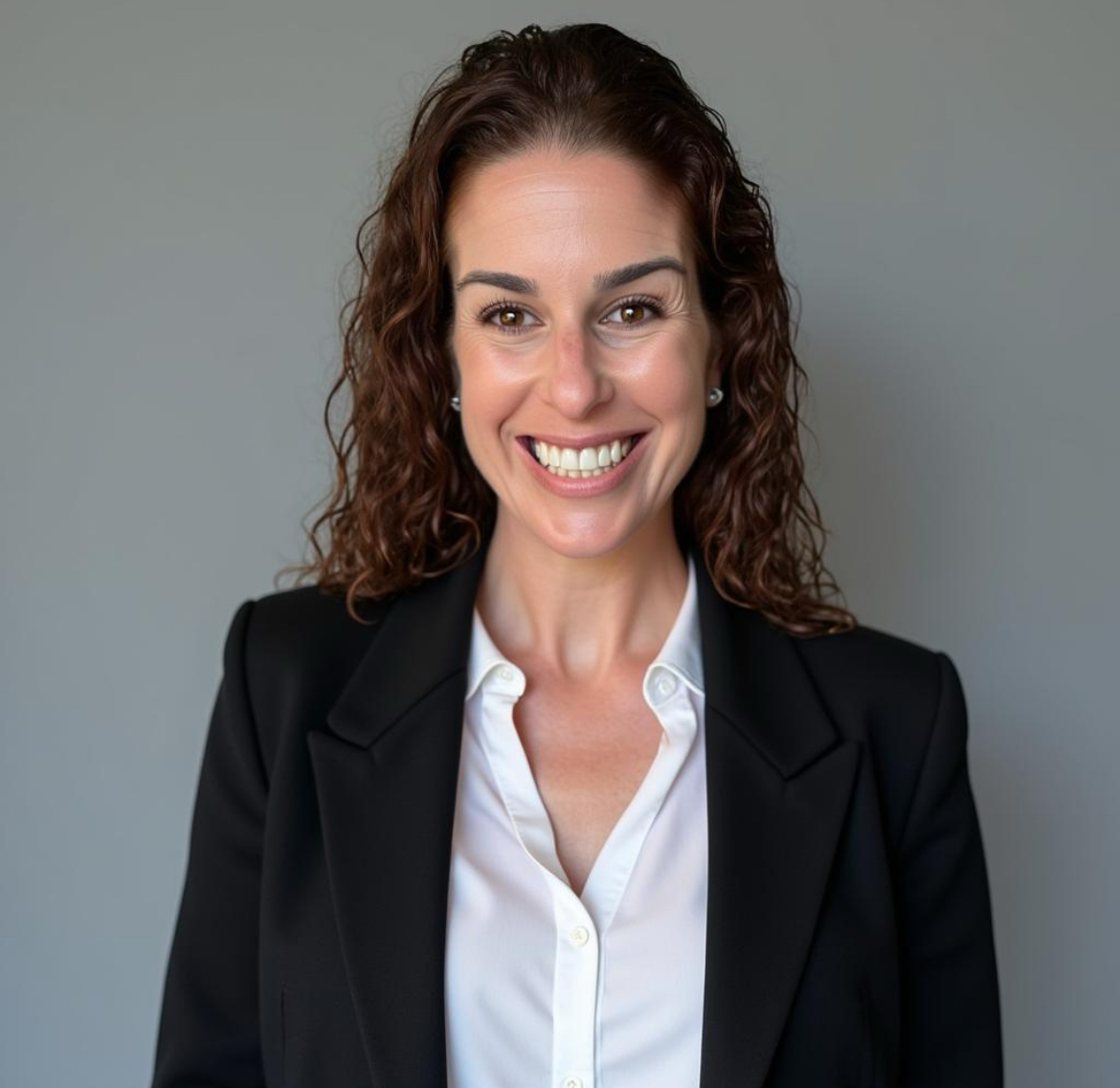
Dr. Lee is a Public Safety Psychologist that works full-time for a Sheriff’s office in California in an operational capacity. She is a member of the crisis negotiation team, provides threat assessment and management services, and oversees the department’s wellness unit and peer support team. Dr. Lee also has a private practice through The Counseling Team International where she exclusively works with first responders, offering individual counseling and emergency response services. Dr. Lee is a Chief Psychologist for CA Peace Officers Standards and Training (POST), teaches officer wellness in the academy and is also an instructor for the FBI- 40 hour negotiators course.