Apple Podcasts
 Spotify
 YouTube
 RSS Feed
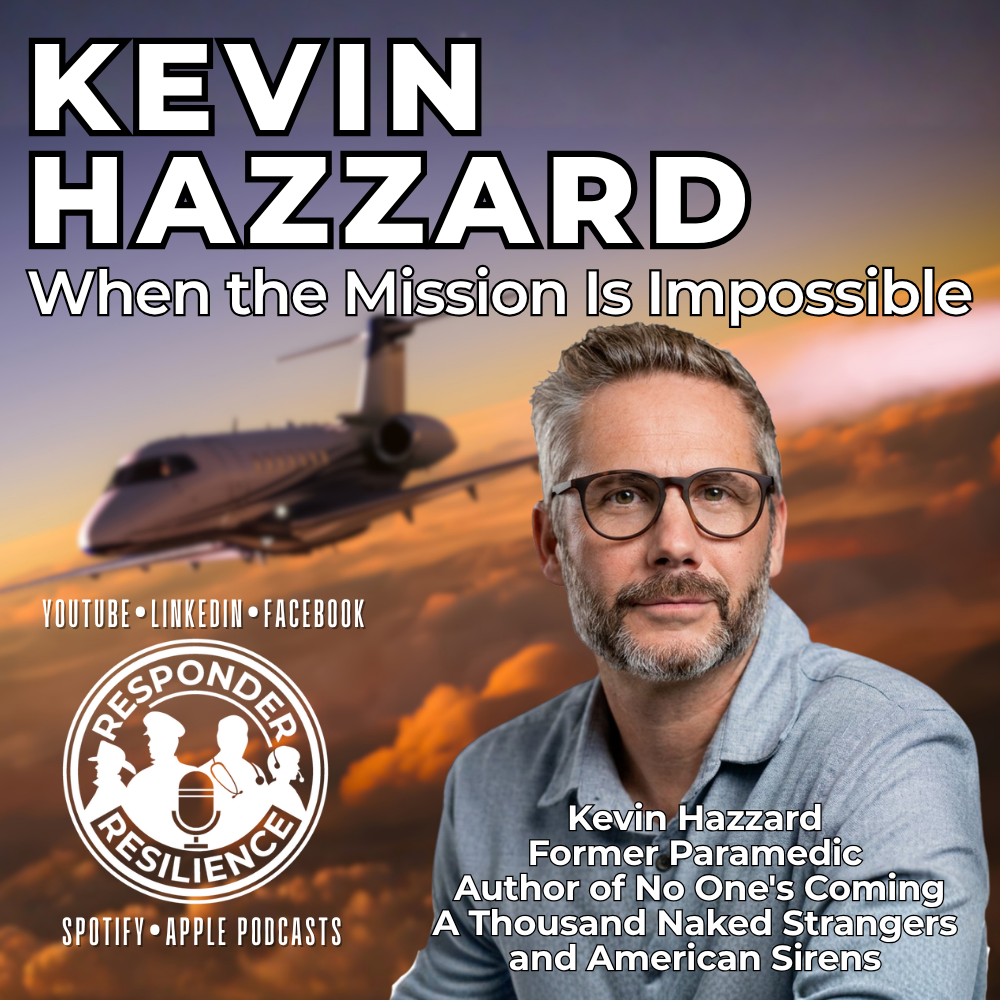
 No One's Coming: Kevin Hazzard on the Rogue Heroes Our Government Turns To | S6 E15
In this episode:
• How Kevin found his way into EMS — and what kept him there for a decade
• What dark humor in A Thousand Naked Strangers reveals about survival — and what clinicians misunderstand when they pathologize it
• The moment Kevin knew it was time to walk away from the ambulance
• Locked in a plane with Ebola, no protocols, 40,000 feet over the Atlantic — what that rescue actually looked like from the inside
• Freedom House EMS: the forgotten architects of emergency medicine, and what their erasure says about how we still treat first responders today
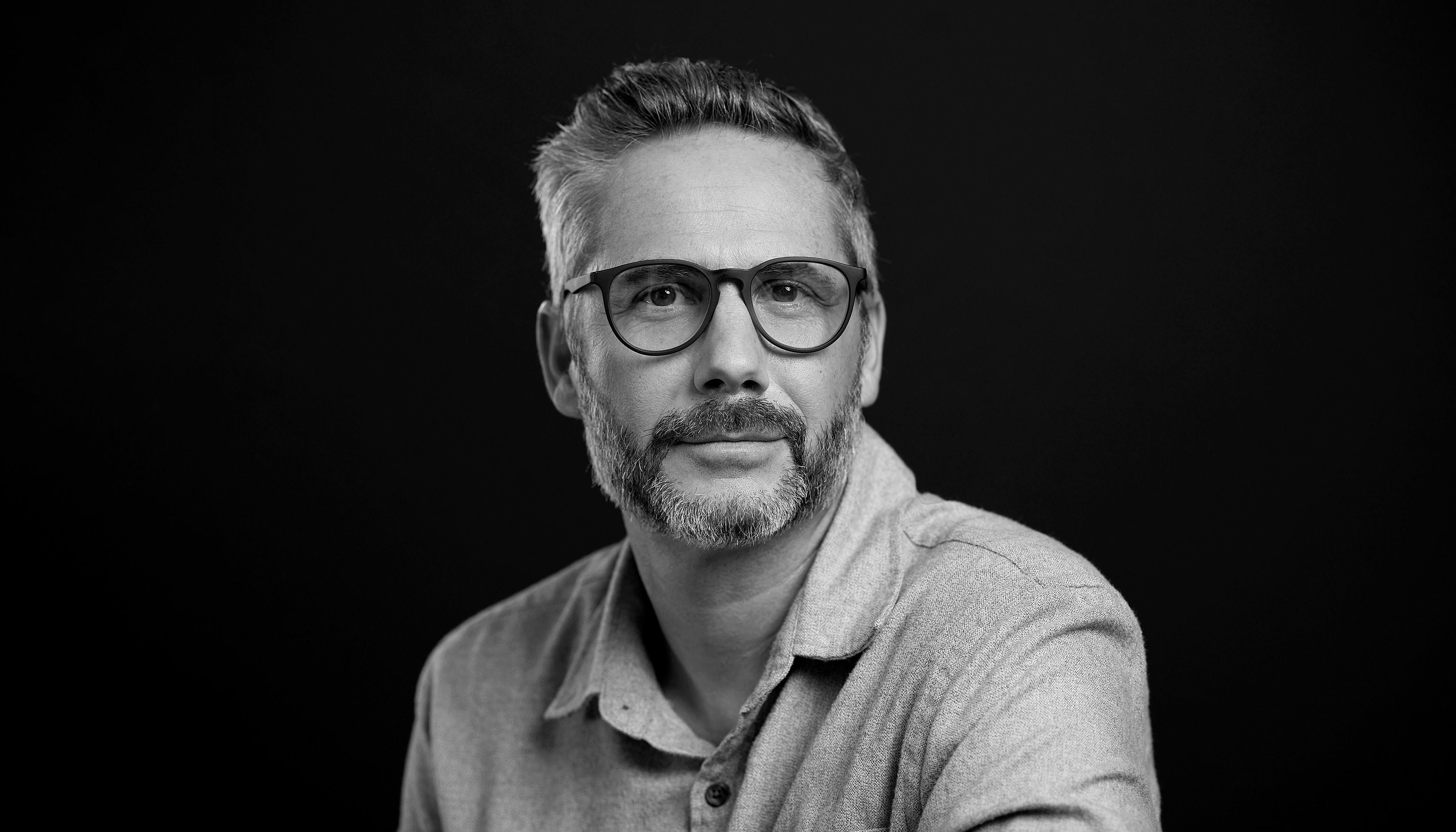
Kevin Hazzard spent a decade running calls in the worst sections of Atlanta — and what he learned there is at the core of everything he's written since. Three books. One relentless refusal to let the people who run toward the worst of it go unwitnessed.
He brought to light the buried legacy of Freedom House EMS — the Black men who invented modern paramedicine, set the gold standard for emergency medicine worldwide, and were then discarded from the story they authored. And then he took us 40,000 feet above the Atlantic, to the most dangerous air-medical rescue in history.
Picture this: a crew locked inside a plane with two Ebola-infected Americans, somewhere over the ocean — no protocols to guide them, no precedent to follow, treating one of the most infectious diseases on earth at cruising altitude. A real-world Mission Impossible. Except someone took the mission anyway.
In this episode, we talk about what the work does to you, what gallows humor is actually for, when it's time to hang up the radio, and why the people who built emergency medicine are still being discarded — just like the Freedom House medics were.
In this episode:
• How Kevin found his way into EMS — and what kept him there for a decade
• What dark humor in A Thousand Naked Strangers reveals about survival — and what clinicians misunderstand when they pathologize it
• The moment Kevin knew it was time to walk away from the ambulance
• Locked in a plane with Ebola, no protocols, 40,000 feet over the Atlantic — what that rescue actually looked like from the inside
• Freedom House EMS: the forgotten architects of emergency medicine, and what their erasure says about how we still treat first responders today
Watch live Wed 4/15 at 7 pm ET: https://www.youtube.com/c/ResponderResilience
**Resources for Responder Wellness:**
• Book: Helping the Helpers https://a.co/d/dm0VS4Q
• Free App: CRACKYL http://crackyl.respondertv.com
• Fitness: FightCamp (code RR10 for 10% off) https://joinfightcamp.com/shop/
Contact Kevin Hazzard:
Website: http://kevinhazzard.com/
Facebook: https://www.facebook.com/kevin.hazzard.96
Instagram: https://www.instagram.com/goes_by_hazzard/
Contact Responder Resilience:
Phone: +1 844-344-6655
Email: info@respondertv.com
Our website with past episodes and more: https://www.respondertv.com/
YouTube: https://www.youtube.com/c/ResponderResilience
LinkedIn: https://www.linkedin.com/company/responder-resilience-podcast/
Instagram: https://www.instagram.com/responder.tv/
00:00 - Welcome And Sponsor Messages
04:19 - Kevin’s 9/11 Path To EMS
07:10 - Gallows Humor And Human Reality
12:03 - Adaptability And Being Undervalued
14:29 - DNR Decisions Under Pressure
23:50 - Freedom House EMS And Erased Credit
34:08 - Ebola Air Rescue And The Motto
38:23 - COVID Parallels And PPE Improvisation
44:35 - Trauma Support And Cultural Change
46:46 - Where To Find Kevin
Welcome And Sponsor Messages
SPEAKER_03
There's trauma, there is medical cardiac and OB and all the crazy things that happen, and you just have to roll with all of it. When you're a doctor who's never treated Ebola and you're inside of an aircraft in this tiny little containment chamber, I love the idea of a rescue story and pilots and engineers and doctors and nurses and crazy, you know, highly infectious disease units and all this, you know, like all the excitement. Even in the very beginning, when I knew just sort of a smidgen of what had happened, I said, this is a story that needs to be told. Like I'm frustrated that this story has not been told. You know, I don't do the thing that changed my life, if not for these guys. So how is it that we're not telling the story?
Voiceover
Welcome to Responder Resilience, along with my co-host Bonnie Rumley, LCSW, EMTM David Dashinger. Today's guest is author Kevin Hazard, who spent a decade as a paramedic in the worst sections of Atlanta. And he also brought to light the buried story of the African American men of Freedom House EMS, who essentially invented modern paramedicine and then were erased from history. Then Kevin takes us 40,000 feet above the Atlantic, chronicling the most dangerous rescue and air medical history as a real-world Mission Impossible crew raced to pull two Ebola infected Americans out of a West African hot zone. We'll talk about Kevin's three books and his relentless refusal to let the people who run toward the worst of it go unwitnessed. Thanks to our resource partner, First Responder Project, whose no-cost First Responder retreats offer you a chance to reclaim connection and learn vital skills. This isn't just a retreat, it's a lifeline to keep you mentally strong at work and emotionally present at home. Take a stand for your well-being and the connections that matter most. Sign up now for your FRP retreat. Learn more and register at firstresponderproject.org. There's a new app built by Firefighters for Firefighters, and it's called Crackle. Download the app now for free as a legacy member and get early access to exclusive content, tools, and updates as they drop. Get the free app at crackle.responderTV.com. We invite you to like and subscribe, YouTube Responder Resilient, Facebook Responder TV, LinkedIn, Apple Podcasts, Spotify, and go to our website responderTV.com for past episodes and guest information. We'll be right back to speak with Kevin after this. Ask a first responder who they are, and you're likely to hear I am a police officer. I am a firefighter. I am a perfect. I am a 911 communications operator. Not I do this work, but I am this job. Ask a clinician why they work with first responders.
Bonnie Rumilly
And they may say, There's no higher quality than helping help.
Voiceover
Join us in shaping a culture where mental health, wellness, and leadership are prioritized, not whispered. Where support is a sign of strength, not failure, and where no one has to carry the weight alone. Welcome to Responder Resilience, which shines a spotlight on the unseen battles of first responder reality. And celebrate the powerful wins that come from the grit of post-traumatic growth. We understand the culture, honor the trust, and bring you conversations from the change makers, passionate about helping first responders come home whole. With your hosts, retired Lieutenant David Datchinger, Dr. Stacey Raymond, and Bonnie Roomeli, LCSW EMT. So we're excited to welcome Kevin Hazard. He's a journalist, TV writer, and former paramedic. He's the author of No One's Coming, American Sirens, and A Thousand Naked Strangers. And he now writes for film and TV and is a sought-after voice on emergency medicine. He lives in Atlanta. Welcome, Kevin.
SPEAKER_03
Hey guys. Good to see you.
Bonnie Rumilly
Hey, good morning. Thanks for spending your time with us.
SPEAKER_03
Yeah, always good to be here.
Bonnie Rumilly
Uh so for the viewers and listeners who do not know, American Sirens uh was a phenomenal book that Kevin wrote. I think David and I have both read it. It's a phenomenal story. And so we can't wait to dig into some of the meat of that in this episode. But I really want to know how you got into EMS. Let's go back in time.
SPEAKER_03
Uh man, so I'm gonna date myself here a little bit. It's it's funny when I when I in the very beginning, when I would tell this story, it all felt very relevant and recent. But now you've got a whole generation of people who aren't even alive, which is hard to believe. But um, if you go back to 9-11, um, you know, there's this sort of collective feeling in the country of like, oh, hey, you know, we're all in this together, this terrible thing has happened to us, let's pull together. And you know, it's hard to believe now, considering kind of where we are, like we're sort of at one another's throats in a lot of ways, but that's not certainly not how it was then. And I was working as a reporter and you know, post-9-11 world and sort of watching all this happen around me and just really felt disconnected from that larger sense of that larger call. And I wasn't sure how to do anything about that. You know, I I really didn't I didn't have a plan for it. I mean, I think I was like 22, 23, or something like that. And uh and so I get a uh I get sent one evening to to cover a tunnel collapse, and you know, I mean, the sh very short version is you know, a group of guys fell from scaffolding um into a massive wastewater uh tunnel that was being dug. What ultimately came out of that hole were bodies, but the people who brought them up was um members of a high-angle tactical rescue team. And I just remember watching them and watching the way they carried themselves, and I thought, all right, I can't carry myself that way. Like I don't handle myself that way. This is not a situation that I would be sent to. Who are these people? How did they get to be here? But more importantly, kind of what have they learned having been on the other side of it? Um, I would like to, you know, be able to answer all those questions. I would like to know what's on the other side of that experience. And so that was you know, sort of my moment where I said, all right, let's let's try this. And so I went to ET school, started that journey.
Gallows Humor And Human Reality
Voiceover
So interesting how um we get into this profession. Sometimes um it's just you know, we see something, we witness something, or maybe it takes uh you know a huge event like 9-11 to kind of just motivate us in that direction. So so interesting. And um so I know in your career you were working with a probably pretty significant uh call volume, urban, uh probably a lot of urban types of um environments, and probably saw some pretty crazy stuff. And in your other book, uh Thousand Naked Strangers, kind of collectively in EMS, we see this, right? We we save a life, peace paper patients aren't always grateful, they don't always have the opportunity to thank us, and um, they're not always necessarily fully clothed either. Um and some of our audience is is clinicians. So for clinicians who might not understand us us um how we handle Gallo's humor, how that's a kind of a a method for us to process stuff or de decompress from a call, what would you want them to understand about what it actually does for first responders?
SPEAKER_03
You know, more than any other kind of medicine, EMS is so incredibly personal. You know, um I I've worked in a hospital setting and I know what it's like, and and it is it is intense and it's difficult and it's rewarding and it's all the things. But it is also, you know, in a controlled and sort of very specific sort of place. It's the hospital, the you know, the trauma bay, the CPR room, the ICU, these are all medical spaces, specifically medical spaces. Somebody's bathroom is not a medical space, you know, their bedroom where they have spent the last 40 years, um a child's bedroom, you know, somebody's car, uh, an office, um, you know, perfect example. There was a guy, and and this is like maybe will feel less personal to the outsider, but I think anyone who's ever been in a situation can really feel it. Um but I was called to to a person down and he was on the street and he was uh he was in in town for a conference and he was running through Centennial Olympic Park and he was hopping over a fence and if he had an MI while hopping the fence or if he fell. Like we weren't able to determine that in the scene, but he was at a rest on the sidewalk. And I just remember he had his tag around his his neck and all of his belongings in his hands. And we were, you know, I kind of removed that so we could begin CPR. And I was just thinking, I I had his glasses in my I slipped them into my shirt pocket, and I just remember thinking, like, my God, this is so like this man, he was just running to a conference, you know, his family doesn't yet know. He's just out of town for two days. Um, but you know, you when you catch people in these places where medicine's not supposed to be, your mind knows that this isn't supposed to happen, you know, that our body's not supposed to to just collapse in the streets, not supposed to be ripped in half in a highway, um, it is not supposed to cease working in the kitchen. And you you have no choice but to try to when when that's what you do every day, and and that's what you want to do, you do have to, you know, you you have to be willing to appreciate the absurdity as well as the gravity. And to me, that was always a thing. It was, you know, there there were certain people who say, Well, like, how can you be so um heartless or you know, how how are you so casual about it? I was able to trust me, there's nothing casual about being called out to a SIDS baby. There's nothing casual about that, but there's something very difficult about it. So we c you know, all in, you have to be able to appreciate the absurdity, otherwise, you know, the gravity can can really be a lot.
Voiceover
You're trained to help people heal, but first responders, they carry trauma that's buried under silence, stigma, and stress. Helping the helpers gives you the framework to connect, to speak their language, earn their trust, and actually make an impact. From the experienced team and clinicians behind the Responder Resilience Podcast, this isn't theory. It's real-world support for the ones who need you most. And this book isn't just for clinicians. If you're an agency leader, peer support team, chaplain, EAP, wellness program coordinator, or family member, helping the helpers will equip you with the tools, language, and insight to make a difference. Be the resource they can count on. Order your copy of Helping the Helpers on Amazon today.
Bonnie Rumilly
You know, you're talking about interfacing with the patient's objects and belongings and personal space. And that's a place that other people in the world don't enter the way that we do. Um, so I like that you're bringing it up in terms of how do we cope with it, but it's also something we exist with every day and learn how to adapt. Like, think about the adaptability of EMS providers to be able to walk into any situation and find their place, right? And treat it and then to know what to do about it. It's really an amazing thing. I know I'm biased, but it's incredible.
Adaptability And Being Undervalued
Voiceover
Sorry, I was added to that that usually we're just doing it in pairs, right? We're not going in with like a huge crew.
SPEAKER_03
Um absolutely it is, and and you know, I I think that's part of what makes EMS so undervalued. I was walking out of Grady one day. Grady's a massive institution. The doctors inside, these are highly competent people, you know, in that in that emergency department. And I was walking out, and this car screeches up to the ambulance bay. This woman comes out and she hands me this kit, and she's doing compressions on him. And so I grabbed him, and he I want to, well, it's been a minute, he either had a pulse, but he wasn't breathing, or he I think they had he would he wasn't breathing, but he did have a pulse. So I tossed him a stretcher, we come running inside, and I said to the to the triage nurse as I was going by, I said, I'm on my way to Blue Zone, tell the CPR room, I'm coming in with an infant. And she said, CPR room is working in a rest, go to the trauma bay. So I like, I'm whipping the thing around, you know, and I'm going, and uh, and she just sort of like lobbed me this this pediatric BBM as we were as we were running in, you know, like so classic uh you know of an ER moment. And when we got into the uh to the EC or to the trauma bay, I was just gonna give a report of like, hey guys, the mom is like 15 feet behind me, but she said this is what happened. She drove here, um compressions were going on, but I feel a pulse, so I'm just ventilations before I could get any of that out. They just started yelling at me, but why did you bring you know this pediatric arrest to us? And I turned and I was like, I I didn't. Like I it came to me, you know, it came to us here. And you know, eventually they settled down and we got it taken care of. But as I left, I thought, I don't get the opportunity to yell at dispatch and say, Why did you dispatch me in a pediatric arrest? I'm an adult paramedic. Like you're just a paramedic. Like you, you know, there's there's trauma, there is medical and you know, cardiac and OB and all the crazy things that happen. Like it, you and you just have to roll with all of that. There is no filtering out what you do or do not specialize in. And um that's one of I think the overlooked attributes of this system is just how adaptive people are. So I totally agree with you on it, Bonnie. It is like that adaptability is really like I mean, it is remarkable to watch.
Bonnie Rumilly
It really is.
Voiceover
I would uh wanted to ask you about this because this kind of ties into what you're talking about, Kevin. So one of the things I witnessed, and I'm sure it's pretty common in EMS, is we will go to a call. It could be a say a cardiac arrest, and there's that moment. Now you're talking about doing medicine in the field. We need to know whether the per patient has a DNR. A lot of times, family has no idea, they don't know where it is, or even if they do know where it is and know that it's in place, they don't want it to be uh enforced. So talk about that. Like, have you seen any kind of notable situations or comment on the dynamics that happen in these kind of calls where you know we're we're trying to operate under protocols and guidelines, but they go out the window?
SPEAKER_03
Oh, I mean, that happens all the time. Who who has their DNR at their fingertips? You know, very few people, right? Exactly. Like the the person who's on home hospice has it, you know, in a filing cabinet next to the bed, but that's it. Nobody else does. And so usually what happens is you know, you know, I'll give you a perfect example. My my partner and I, we get it's the first call of the day. We had picked up an extra shift Sunday morning. And you know, like the the old saying, like people love to wake up dead, so you know, be careful about those early morning shifts.
Bonnie Rumilly
So Monday morning too.
SPEAKER_03
Yeah, we we pick up this extra shift, we come in, we're both tired, you know, we have just finished our three, and now we're picking up a fourth. Um, right out of the gates, bang, arrest at a at a adult high rise or like an old age high rise. Um and you know, I mean, let's be honest, deep down everybody's thinking, like, let's hope this is a 48 and not a workable arrest. You know, like you're all you're kind of hoping that this is you're gonna see lividity, and you can just say, Oh, I'm so sorry. But we get there and and it's a recent arrest. And so, you know, we got fire, a great crew. They were really, they were a bang up crew that was there with us that day. And so we jump on it and we're working it. The wife is there, and so I went in and my partner was teching, and I said, you know, I said to her, like, I'm I'm collecting meds and I'm and I'm doing the things, and so I'm talking to her, and I'm saying, does he have a DNR? You know, what are the things, you know, because I can hear like the the the sound of the um the the the cardiac monitor warming up behind me. So I know they're getting ready to, you know, I know the stuff's about to happen. I know my partner's thinking about dropping a tube, and all so I like ideally we get through this conversation before that happens if he has a DNR. And he was in his 90s, so I assume and I could just tell by every like her body language said I am shattered right now. And so what do you do? Are you am I gonna badger her for this thing? Um I asked if she had one and she just kind of wasn't able to put all the information together. And I said, you know what? Would you like us to do, would you like us to to do a couple rounds of CPR, see what can happen? You sit down, have a seat, and and she just sort of nodded her head and she sat down. So we go out of the room and naturally we get a rhythm change. Um, so we're not gonna be calling this anytime soon. And and so I said to my partner, I said, why don't we just let's just roll? Like she's not gonna be able to answer her questions, understandably. Um and again, like strict letter of the law. Should we be scouring the house for DNR? Perhaps. But I mean, this is a 95-year-old woman who's lost the person she's probably been with for 70 years at least. Like, how about you know, I mean, that that would be beyond cruel. So we get her downstairs, and as we step off the elevator, um, her phone rings, and it's her son, and he just starts berating me about my father's got a DNR. What the hell are you doing? And I'm like, oh my god, all right. So then a car screeches up at front, and it's the sister, and she's berating me, saying, What the hell are you doing? Why aren't you getting in the ambulance and going? We should be transporting him to the hospital. He goes to Piedmont, and I'm and then the wife says, or the son says, I think you should call his doctor. And like, we're in the we're in a parking, like the CPR this goes on and on and on, but but that is the perfect example of there's no right answer to a question like that. Um, you just kind of have to like do what you think is right for the person closest to it, which to me is is the right well, and then you're going back to that adaptability conversation.
Bonnie Rumilly
But what EMS providers are also asked to do in that moment is to be therapists. You not only have to read the scene, read the patient, but people also on the outside don't remember the amount of interfacing and interaction we have with families, whether it's the spouse, children, watching their parent die, um, the amount that we do to be pseudotherapists on scene to help those people. And I was very fortunate to do my EMS career in a place where we had the staffing where we would bring extra people in to stay just with the family to make sure that they had what they needed. And I'm so happy you brought that point up because I don't think we focused on it enough. And again, it speaks to the intuitiveness, but the ability to adapt, maybe second to second, not only with your medical skills, but with this whole other skill set of understanding psychology and going with your gut and doing what's right for all the people around the patient as well. And then I think people don't understand the stress on EMS providers. And a lot of the things that you just said in the last 10 minutes are really pointing to why providers end up having so much cumulative stress.
Voiceover
Every season first responder knows eventually the weight of horror and heartbreak becomes heavier than we expected. The weight is not just carried by first responders, our loved ones who step up, hold down the fort, and fill the gaps. They're the underappreciated support system, keeping it all together through the chaos. Sometimes leaving partners feeling reactive or even resentful, struggling under the weight of what their loved one brings home. First responders don't get to clock out, so finding a way to decompress isn't just a luxury, it's a necessity. That's why First Responder Project No Cost Retreats are crucial. They are tailored specifically for you, the public safety professional, and your spouse, partner, family member, or close friend. We provide you and your support person with a chance to reset, regroup, and recalibrate, and finally reclaim the quality of life you deserve. Nestled in the heart of North Florida, this 520-acre camp isn't just a nature-based getaway. It's a battlefield reset, an escape from the tempo of work and home to soak in the calm of nature, a chance to reclaim connection and learn vital skills, all while enjoying great food, private accommodations, and camaraderie around nightly bonfires. Take a stand for your well-being and the connections that matter most. Spaces are limited. Sign up now for your no-cost First Responder Project retreat. Your resiliency strengthens here. Learn more and register at firstresponderproject.org.
Bonnie Rumilly
I I think I'm ready to move on from being a paramedic.
SPEAKER_03
I mean, I think you're right when you say you hear glimmers, you know, I think for a lot of people, there isn't a, you know, there isn't a moment. It's sort of a slow journey that takes you there. And you have to kind of look at yourself. You know, I think everybody, if you do any high stress job, um, you will burn out and probably rebound. Um, that's just kind of normal. Um and I, you know, those sort of things I didn't think much of, but you I did reach sort of a point in the road where I was looking at how old I was, you know, I was in my early 30s and I've got these two kids. And I just said, you know, where does it go from here? And, you know, that is the thing I think that is the answer that EMS has never had. You know, if you look at what what nursing has done with with you know the um the NP and being up not only be able to get your nurse practitioner, but then to to to become you know a PhD and like like to like there's all these ways that they can advance and advance and advance. We have not, you know, EMS has not figured out like what is that advanced level provider that that people can step into that isn't just the clinical or the hospital environment, because that's the next thing for so many people. When I did it, I did not want to work in a hospital. You know, I was where I was for a specific reason, and I would have taken maybe another avenue, but there wasn't one. And so like all those things, all the realities of the job and the years that wear on you, and the fact that at some point you're gonna have to begin to answer these questions one way or another, um, sort of all eventually just pointed me to a road where I said, I, you know, I think it's time to figure out what is next for me.
Freedom House EMS And Erased Credit
Voiceover
Great. Well, I'd like to use that as a bridge to talk about American sirens. We've had the pleasure and honor of having John Moon on the podcast and him telling the story from his perspective, John being one of the uh members of that original uh group of Freedom House EMS. Um that is the African American men in Pittsburgh who really became America's first paramedics and pioneered a number of uh techniques and technologies that are still used today. Um and then their legacy was essentially effectively erased. What does it mean to you that that entire generation or the entire foundation of modern medicine was built by people and they were who were never given credit for that?
SPEAKER_03
When I realized what the story was and saw its arc, you know, its creation in 1966 and then its demise in 1975, I wasn't surprised. I mean, I, you know, a lot of history has taken a similar course. Um, but that none of us within the field knew. I sort of took exception to, you know, I remember my first, and I'm I'm I'm not alone here, but my first night at a BMT school, we talked about Napoleon in the flying carriages. There was, you know, oh, World War I comes along, and there's um, you know, and there's radios, and then World War II, and you really have, you know, the Corpsman, and then 1965, there's the white paper, and then Johnny and Roy come along come on the scene and inspire a generation of people who who step into the breach. But there was never any discussion from between 1965 and 1972 when Johnny and Roy came out. How did we get there? Who were the people involved that got us there? And you know, there were sort of suggestions of Los Angeles or Miami or Seattle. Um, but the larger question of, well, but who did this? Like who was the person? You know, Peter Saffer was not mentioned. Like, and under any other circumstances, I don't see a world where, you know, we know Nagel's name, not to take anything away from it, but Peter Saffer was nominated three times to the Nobel Prize in Medicine. He invented CPR. Why is he not mentioned with these stories? And I think it's because he's so closely associated with a piece of the history that was intentionally buried. Um, because there's there's just not another circumstance where someone of his caliber goes unknown. So when you look at what the guys of Freedom House did, you know, and and women, because women came along, I mean, Darnell Wilson's a great example of that. Um, you know, what they did, what they were up against, what they faced every day from both their patients, but also, you know, from community leadership and the police and you know, all this the community at large, um and their ability to to show up every day and do a really difficult job was was incredible. And so even in the very beginning, when I knew just sort of a smidgen of what had happened, I said, man, there's like this is a story that needs to be told. Like I'm frustrated that this story has not been told. You know, I don't do the thing that changed my life, if not for these guys. So how is it that that we're not telling the story?
Bonnie Rumilly
Well, we on the podcast are so grateful that you blew the lid off of this story and pushed it out there. A lot of people are talking about it and aware of it now. I want to know how does it feel to be the person that helped that happen for this group of people who risked everything they had on this new model to pave the way for all of us.
SPEAKER_03
I mean, look, I a tremendous honor, um, accepted with the you know, as much humility as I can possibly muster. You know, when I came across this story and began just sort of Googling it, because I got an email saying, Have you ever heard of Freedom House? I started Googling it, not a whole lot popped up, but some names came up. Um, you know, John Moon and Mitch Brown, Zafford's name came up, Phil Hallen, and I began reaching out to anyone whose name I came across in any of these articles, George McCary. Um and you know, they answered their, you know, Peter Safford out withstanding. Um, although I did speak with with his wife, uh, really an incredible woman, um, but you know, began to piece this together through them. And they from the very beginning trusted me with this story. They said, hey, you know, we have been, you know, John Moon very explicitly, it has been, you know, my goal since 1975 for the world to know that this happened. Um, and you know, he didn't hold back at all. He immediately just started sort of, you know, we had to build some trust between us, but you know, he really began telling the story and and he vouched for me with Phil Halland. Um, and you know, through those contacts, I was able to, you know, make some inroads with with Mitch and with George and then Bill Rainovich, who has his own really interesting story, you know, as as the token white guy who got in to get them some federal funding. Um, you know, the the original DEI project, uh, Bill Rainovich. Um but I really, you know, like that is what it comes down to is their trust in my ability to tell that story. Um, and that's the thing that to me I've always held the most sacred. What what the world decides to do about the Freedom House story and how whether or not to embrace it and just to what degree to embrace it, I have no control over. But my the connection that I made with everybody involved, their trust in me to tell me, you know, Darnella Wilson's. I mean, that she was crying at times, you know, during our interview. I mean, she has a really painful story. Um, but for someone to trust you with that, I mean, it's uh tremendous, tremendous honor.
Bonnie Rumilly
Well, for our listeners and viewers who haven't had a chance to read it, we highly recommend it. Um, you gave them a voice. And that really rung true with John Moon when he was on the podcast. Uh, I believe it was last year, David. Um, and he was really incredibly grateful to use his voice with us, which was another beautiful layer. So we strongly recommend anyone who cares about EMS or works with anyone related to EMS should know this story. Um, just a little cultural fun fact for anybody who watches The Pit. There was an episode where they talked about Freedom House. Uh tell us what you think about that.
SPEAKER_03
The way I found out about it, I I think like a I think medical providers are of two camps. I never watch a medical show, I watch every medical show.
SPEAKER_06
Right.
SPEAKER_03
I generally don't. I kind of like to come home and just be free of anything involving any of that stuff. But I was listening to the Mark Marin WTF podcast, and out of nowhere, he's got Noah Wiley on, and out of nowhere, Noah Wiley mentions it. And I was like, what, what, what, like, you know, I was stunned, I couldn't believe it. So um I immediately went and watched that episode, and my mind was blown. So I called John and I said, I know you know this, you must know this. What how did this happen? So there's a pediatrician in Pittsburgh. I'm gonna show you guys a picture in a second. Hopefully, I can make it work properly. Uh, there's a pediatrician in Pittsburgh who is one of the consultants on the show. I met her a few years back. She knows John, she knows Mitch. She's fully aware of the story and was quite dedicated to helping bring that forward. So she said to the creators, hey, you guys are looking for veracity, you're looking for local flavor. This is a story we need to have. She pitched it to them. They all immediately embraced it and said, Yes, we'll make a, you know, we'll make an episode in which one of our patients is one of these guys. Well, as part of that whole process, they brought in people from Freedom House. And so they were on set, they got to meet Noah Wiley. And so um, they sent me this picture, and that's John with Darnella Wilson and Noah Wiley, and they're holding a copy of American Sirens, which they signed for him and gave him. So it's really been incredible to see them get that kind of recognition, you know, for a major TV show, which is you know, culturally really at the cutting edge right now. And that's something a lot of people are talking about, for them to be involved in it and just sort of sit back and watch that happen, coming as it is at the time when their local representative is really pushing for them to get the you know, the congressional gold medal, which you know, every little bump and nudge in the right direction is helpful. It was just it was really incredible to see that happen.
Bonnie Rumilly
The chapters of helping the helpers build intentionally, layering cultural understanding, trauma insight, therapeutic strategy, and professional sustainability into a coherent whole. Each section is designed to deepen the clinician's ability to show up with skill, respect, and lasting impact in a field where the stakes could not be higher. This is not easy work. It will test your skill, your boundaries, and your ability to carry without absorbing. But for those who choose it with intention and integrity, it can become the most meaningful work of a clinical career.
Ebola Air Rescue And The Motto
Voiceover
And John is just tireless um getting out there talking to people. Uh we get contacted by people looking to book John for conferences and speaking engagements sometimes. So um it's just great to see this still has um that the story continues, it's still got life and and it's growing, it's growing exponentially. So yeah, so cool. Let's um let's shift gears and talk about no one's coming. I just finished reading it. Um loved it. I have to say it checks so many boxes for me because, first of all, it is kind of like the ultimate kind of first responder story. Um, this is like Mission Impossible First Responder World, you know, like take so many different elements of um aviation, you know, like um credible uh technology for communicable diseases and um and just saving lives by doing extreme things. So well, all that said, the the title's called No One's Coming. You talk about there's a flag in the uh in the building there at Phoenix Air, who's the organization that does these rescues and other missions. And the flag says um no one's coming. It's up to us. Um talk about that. What does that mean in context of the overall um content in the book?
SPEAKER_03
You know, the book so it takes place in the midst of the largest and deadliest Ebola outbreak in world history in West Africa in 2014. And I wanted, you know, I love the idea of a rescue story and you know, pilots and engineers and doctors and nurses and crazy, you know, highly infectious disease units and all this, you know, all like all the excitement. But I really wanted the book to live in the world of the, I wanted you as a reader to only see the point of view of the provider, you know, like so often we we focus on the patient, which is you know where a lot of these stories go. But I wanted to like, what does it feel like to be, you know, a young physician in West Africa treating a virus you don't understand, as it quite literally overwhelms the gates of your compound, um, and you you as you watch your colleagues sick, get get sick and fall to this virus, um, how does it feel? You know, and that was, of course, Linda Mabula's story, and and that's what I want where I wanted to be. I wanted to know when you're a doctor who's never treated Ebola, and you're inside of an aircraft in this tiny little containment chamber, knowing that any mistake you make is you're taking off your contaminated PPE will get you sick, your coworker sick, the pilot sick, your family sick, your city sick. What does that feel like? Um, and that was, you know, that that to me, like that sort of the courage to do that and to fight through all the fear was so much a part of it. But you can even hear in how I'm describing this each of these people really is on their own. I mean, so much of the story is whether you are um, you know, one of the last remaining providers in a city that's completely overrun by Ebola, whether you're one of the only providers on planet Earth capable of flying into that hot zone to get these people out, um, you are going to be on your own here. And, you know, that motto that Phoenix Air has hanging in their medical unit, which, you know, no one's coming, it's up to us, feels so much like emergency medicine, feels like disaster medicine. Um, not a lot of people are eager to answer a call like that, but the people who are fully understand what, you know, the power behind those words. Um, and so, you know, I that I wanted everyone to know that that was what they were signing on for. But parallel to that, there was a real effort for this not to happen. You know, there was legitimate pushback, there were death threats, they were bomb threats, they were threats of of felony per prosecution. Um and there was a there was a sense among a lot of people that let's just leave them there and not bring it here and risk the rest of us, which again is another version of no one's coming. Um, so in a lot of ways, you know, that phrase worked in so many different levels um for me and for the book. But but yeah, I mean, I think for anyone in emergency or disaster medicine, you are really used to hanging way out over the wire and knowing that um whatever's gonna happen today is gonna come down to your own your own skill.
COVID Parallels And PPE Improvisation
Bonnie Rumilly
I wonder if anybody has reached out to you about that book with their experience of COVID and the parallels they've drawn with what it was like to be a provider during that era, um era rather. Um, because those of us who were practicing in that era, uh, what we faced felt like what you're describing. You know, it it was really you're praying for your safety and you're trying to do everything right. Um, and I think a lot of us even just stripping in the garage our clothes off so that we didn't kill our families. Um those things aren't really talked about. So I wondered if anybody's reached out with you about parallels with COVID.
SPEAKER_03
Oh, absolutely. I mean, the people, well, first off, the people in the book, you know, that technology is scaled up to then transport COVID patients around the world. So, you know, that's sort of where the book ends is is how that, you know, that the technology that safely transported Ebola was was later used to transport COVID. And certainly talking to all of them, you know, what what they felt like was, you know, Ebola was a dry run for what was to come in 2020. Um, but speaking to providers over the last couple of years, you know, as I've been working on this book, and then over the last couple of weeks, as the book has come out, what I'm hearing over and over again is like, man, this is how it felt. You know, we showed up, uh, we very quickly ran out of N95s. The people who we assumed would call out, you know, if something ever went wrong, they all started calling out. And so the people we assumed we could count on if everything went wrong, we counted on them. So there were a few of us doing more work with less ability to protect ourselves. Um, you know, our our our employer hung a hero's work here banner over the door, but never treated us that way. Certainly didn't protect us as if we were doing that sort of work. And we really felt alone and it was scary, and it was, you know, we had no idea what was going to happen. And it was, you know, this virus that people didn't understand, especially in the beginning. Um, in August of 2020, I was in Mexico in a refugee camp working down there with some doctors. And one of them was in Seattle when those first cases came in from the nursing home. And he said, you know, we had no idea what this was. We just knew that it was killing these people very quickly. And it, you know, it's hard to remember now, but the first couple waves of COVID were really bad. I mean, I had some friends who wound up on vents, you know, a perfect example is a friend of mine came in with a patient and his partner was not wearing a mask. They his partner had not put a mask on the patient. Um, my friend got COVID, he wound up on a vent. You know, and those, you know, sort of the way viruses work, the early strains, generally speaking, are the strongest, um, or at least the deadliest, but they, you know, they're not the ones that that reproduce because of that. And so as time goes on, it changes. But in those early days, there was a lot of fear, and as is always the case, is as one, you know, the most predictable thing in the world was that uh medics would sort of be, you know, nudged out onto the line without any real protection or backing, with an understanding simply of, well, you guys are just gonna go and do this, and then you'll figure it out. Don't worry.
Voiceover
Um you touched on this, and this is another parallel between um no one's coming and COVID, isn't is that in the book you talk about how they had to get their PPE together to make these runs over to Africa and essentially couldn't get it from the you know typical medical sources and actually got it from Home Depot, which I love that piece. Um and that really reminds me of some of the things that happened during COVID as well, right? Like um in our in our department, we wound up going to just um like kind of jumpsuits that we would wash after every um possible exposure because you guys got we we ran out of Tyvek suits, we just couldn't do it. So what are your thoughts about that? Like how you know how innovation played a role in all of this?
SPEAKER_03
I mean, we're all speaking through an innovation that that that was a result of this. Um we could have very easily been in front of this, but that's just not the way the world. I look at if you go back to the book for just a second, um the the highly communicable disease unit that treated those patients had partially been shut down by the CDC for funding reasons, um, because it had not been used. I moved that's like canceling your life insurance because you haven't died yet. Um the the tactical medical team that transported those patients to the city had just been shut down because it hadn't been used. Again, like canceling your life insurance because you haven't died yet. We have this tendency to be very short-sighted and undercut our own safety measures. So jump forward to 2020 rather than being prepared. There's just this notion that, like, oh, we'll figure it out or something, I don't know, maybe. And so, yes, so nobody has type X suits. And so everybody's got the same mask sitting in their back pocket for three weeks that they're using over and over again because there's not a single N95 to be found on planet Earth. Um, you know, and so what that leads to is improvisation. And is there a type of medicine that is better at improvisation, that is more used to improvisation than this one? Um, I've never seen it. You know, I remember somebody They had a motto at Grady, which was um, we few who have done so much for so many with so little for so long can now do anything for anyone. Um, and that was that was sort of how we looked at it. I mean, I can't tell you how many times I would take out a traction split on a pedestrian versus auto and find that it absolutely did not work and have to rig something up with some gauze, you know, and you're in the middle of the street because it's like hey, we got I got a floppy femur, we got to get rolling. Um, that's just sort of the nature of the job. You would just love to see it not be the case in the midst of a pandemic.
Trauma Support And Cultural Change
Bonnie Rumilly
Yeah. Well, I want to highlight also for our listeners and viewers, um, just as a trauma therapist at this moment, a lot of people have not come in for treatment for COVID yet. And we do sometimes see a delay with these things. And what I want to say to listeners and viewers are if anything in our conversation today brought something up for you, it's understandable, it's okay. And if it is impacting you, it's a good idea to look at it and talk to someone about it. If you found yourself reliving some of those moments, um, I really want to highlight that to people who could be here today. Um, as always, you know, we're looking at the trauma piece of everything as well. But I think Kevin, what you've shared, it feels so real, feels so tangible. And that's a beautiful thing. And this also could be the parlay for some people to say, you know what, something struck me there, and maybe it is time to talk about it.
SPEAKER_03
Yeah. Yeah. It's it's nice to see this cultural shift. You know, it was not when I was working, it was you it was not something you did. You know, we used to do those uh critical incident, you know, um debriefs afterward, and they were always held sort of right in the middle of the crew room, people would be walking by, you know, someone would be like, Hey, do you have any trauma shears? And you know, and or you'd be in the midst of of telling your story, you know, about this horrible thing that you did, and somebody would come in and crack a joke. Um or or they'd be listening to it, and they'd be like, Oh gosh, I've been to that house. You know, like none of it was ever taken seriously because I don't think none of us really knew what to do with it. And and it was not something that culturally we found acceptable. It was simply like if you can't laugh at these things, well then something, then you probably need to leave. Like you're you're you know, you're you're broken in some way, you're not as strong or as tough as the rest of us. And you know, there's a new generation out there now that does not see it that way. And it's really it's it's really refreshing because I would like to think that they're probably um better equipped to deal with this than we were with all of our sort of bravado and supposed toughness.
Where To Find Kevin
Voiceover
Absolutely. Kevin, it's been an absolute pleasure. Please share with us where people can find you, your books, and anything else you want to share, social media, things like that.
SPEAKER_03
Yeah. Uh well, the books are anywhere, you know, anywhere you want to get books, uh Barz Noble, Amazon, um, whatever independent bookstore is is in your community. By the way, those are wonderful people who run bookstores. I mean, they're they're great folks. So um do that if you can. And then I'm on, you know, I'm on Instagram and Facebook, and uh I do have a website, kevinhazard.com, although it feels as antiquated as a fax machine. Uh so I don't know anybody actually uses that kind of thing. But um but yeah, I mean I'm in all the places that uh you usually track people in a book. Um, and no one's coming is out everywhere now.
Voiceover
So absolutely. Well I highly recommend the book and all the books. Uh yeah, go check it out. You will not be disappointed.
Bonnie Rumilly
Kevin, it's been a pleasure to talk to you. I feel like we could go on for hours and hours, and we can't wait to see your next projects and what you get up to next. Keep us in the loop.
SPEAKER_03
Oh, thank you guys. Really, really enjoyed it. Thank you so much.
Bonnie Rumilly
Thank you.
Voiceover
Thank you, Kevin. Remember to like and subscribe, YouTube, Responder Resilience, Facebook, Responder TV, LinkedIn, Apple Podcasts, and Spotify, and our website is respondertv.com for past episodes, guest information, and a whole lot more. Till next time, stay safe, be kind to yourself. Take care.