Apple Podcasts
 Spotify
 YouTube
 RSS Feed
 Unseen Battles: The Price of Duty with Lt. Tommy Bolin | S5 E34
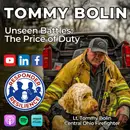
We talk with Lt. Tommy Bolin, a firefighter and paramedic from Central Ohio, about the hidden mental health struggles first responders face, and drawing from his book, “Unseen Battles: The Price of Duty in a Life of Trauma and Sacrifice.”
In this episode, we talk with Lt. Tommy Bolin, a firefighter and paramedic from Central Ohio, about the hidden mental health struggles first responders face. Drawing from his book, “Unseen Battles: The Price of Duty in a Life of Trauma and Sacrifice,” Tommy discusses the toll of duty, identity crises, and the importance of breaking the silence around these issues.
We address critical questions: Why are suicide rates among first responders higher than line-of-duty deaths? How does trauma impact families and home life? Join us for a candid conversation aimed at reducing stigma and fostering a supportive culture for those who serve our communities.
SPONSORS:
Coming September 2025!! Helping the Helpers: A Clinician’s Guide to First Responder Mental Wellness, a new book that equips you to build a First Responder-Centered Practice that works. Get a FREE sample Chapter and Book Launch Invite!! Go to helpingthehelpers.me to get Early Access when you sign up!
Thanks to our resource partner, EMS & FIRE PRO EXPO. Join us for the largest gathering of EMS and fire professionals in New England, September 24 - 27, 2025, at the Mohegan Sun in Connecticut! Sign up at https://emspro.org/
Thanks also to our resource partner, FightCamp. Harness the strength of boxing to release stress, build resilience, and connect with a supportive community. For free shipping and a free month of membership, go to https://joinfightcamp.com/shop/ and use the code RRPONE.
Thanks to our resource partner, CRACKYL. Download the FREE CRACKYL App: http://crackyl.respondertv.com
Contact Lt. Tommy Bolin:
Book: https://www.amazon.com/dp/B0F646Q8WB
Facebook: https://www.facebook.com/Fdawgs45
Instagram: https://www.instagram.com/fdawgs20/
LinkedIn: https://www.linkedin.com/in/tommy-bolin-3a4a902a/
Contact Responder Resilience:
Phone: +1 844-344-6655
Email: info@respondertv.com
Our website with past episodes and more: https://www.respondertv.com/
YouTube: https://www.youtube.com/c/ResponderResilience
LinkedIn: https://www.linkedin.com/company/responder-resilience-podcast/
Instagram: https://www.instagram.com/responder.tv/
Facebook: https://www.facebook.com/responderTV/
So 2019 I came dangerously close to taking my life. I was super embarrassed. I was humiliated. I was ashamed. I didn't know what my life was gonna look like after that. Tommy, if you would just come back and be vulnerable and talk about your your story and your struggles because you have no idea people you're gonna help. So I was the first one from my department to go get help. But with me coming back and start opening up sharing my stories, four other guys came to me and four other guys ended up in Maryland shortly after that. I see it now, I didn't see it then, but vulnerability is not weakness. When I was vulnerable and I opened up about my stuff, that's when the true healing really started for me when I started confronting those demons.
David DachingerWelcome to Responder Resilience, along with Bonnie Rumley, LCSW, EMT, I'm David Dashinger. Today our guest is Lieutenant Tommy Bolin. He's a dedicated firefighter and paramedic from central Ohio, and he's gonna focus on the hidden battles that many first responders face but seldom discuss. We're gonna talk about his profound book, Unseen Battles, The Price of Duty in a Life of Trauma and Sacrifice, where Tommy shines a light on the mental health struggles that lurk beneath the surface of public service. We're gonna talk about the unseen toll of duty, personal identity crises that arise, and the healing that can unfold when we dare to break the silence.
VoiceoverThanks to our resource partner, EMS and Fire Pro Expo, the largest gathering of EMS and fire professionals in New England, September 24th through 27, 2025, at the Mohegan Sun in Connecticut. Sign up at EMSPro.org. There's a new app built by Firefighters for Firefighters, and it's called Crackle. Download the app now for free as a legacy member and get early access to exclusive content, tools, and updates as they drop. Get the free app at crackle.responderTV.com. Thanks also to our resource partner, Fight Camp. For free shipping and a free month of membership, go to joinfightcamp.com slash shop and use the code R R P O N E.
David DachingerWe'll be right back to speak with Tommy right after this.
VoiceoverIn this family, more of us die by our own hands and by the hazards of the job. In this family, up to a quarter of 911 telecommunicators have symptoms of post-traumatic stress. In this family, our mental health and wellness are in crisis, while responders are quietly suffering. In this family, many struggle with job-related stress, burnout, injury, state disruptions, substance abuse, and relationship problems. In this family, we can help the helpers. With vital information and resources, resilience strategies, and success stories of overcoming the obstacles. Welcome to Responder Resilience. We co-host retired Lieutenant David Dashinger, Dr. Stacey Raymond, and Bonnie Rimley, LCSW EMTV.
David DachingerWe'd like you to like and subscribe, YouTube, Responder Resilience, Facebook, Responder TV, LinkedIn, Apple Podcasts, Spotify. Go to our website, respondertv.com for past episodes and guest information. So we'd like to welcome our guest, Tommy Bolin. He's a firefighter paramedic with over 30 years of service, and he's the author of Unseen Battles, The Price of Duty and a Life of Trauma and Sacrifice. After being diagnosed with PTS, PTSD, PTSI, depression, and anxiety, Tommy turned his pain into purpose, becoming a mental health advocate for first responders, veterans, and their families. He now speaks across the country, challenging the stigma around mental health and encouraging open, honest conversations. His work aims to shift the culture of silence into one of healing, connection, and hope. LT, welcome to Responder Resilience. Thanks, guys.
Tommy BolinI'm super excited to be here today, so I appreciate you guys having me. Thank you.
Bonnie RumillyWell, thanks for your honesty because every person that tells their story helps another person. So thank you for that.
Tommy BolinWell, thank you. Appreciate it. Yeah, yeah. And it's so true.
Bonnie RumillySo I know David mentioned some of your diagnoses and the book, but we would really love to hear in your words about your mental health and what unfolded over time to get you to where you are now.
Tommy BolinAbsolutely. So I think, you know, kind of back up a little bit. When I first came into the fire service, we all know that um you were kind of told if you can't handle it, you might want to find another career. Or, you know, I was told that suicide was for cowards and weakness. And I began to believe that myself until I got to that point in my life. And then I could understand, you know, why people would do this kind of stuff. Uh I was struggling probably I I really started noticing it probably around 2016. Um things just weren't worth weren't right. I didn't understand what was going on. Uh I just knew things weren't were right. And so between 2016, between that and 2019 is when it really 2019 is when it really came to a head. Um I was drinking uh uncontrollably, I was uh, you know, I was I was suicidal, uh, I was isolating a lot, I was angry all the time. And, you know, my wife uh obviously noticed a lot of this stuff, and and I went and and seeked help uh through our EAP program through the fire department, which you guys know as well as I do. Um sometimes when you go to these these different nothing against the therapists, but they're not a lot of these therapists that they put you with are not trauma informed or not culturally comma uh you know, confident with trauma. And some of that therapy honestly was more detrimental to my recovery than it was health. But so in 2019 I came dangerously close to taking my life. And if it wasn't for my son walking down, which we'll get to that in a little bit, but my son walking down on me at two o'clock in the morning, and luckily by the grace of God, he wasn't done with me yet. You know, I've been doing this uh for the last several years is kind of spreading this uh story of hope and healing through my dream.
Bonnie RumillySo well, we are so grateful that you're here to tell your story. Um and thank you for your honesty. It's very hard to open yourself up this way to people you don't know, that people are seeing you, hearing you. Um what has that been like for you to not only struggle with this vulnerability, but then to also make the decision to open up to save other people.
Tommy BolinWell, you know what? So back in 2019 I ended up going to the um when everything fell apart, uh I ended up going to the IFS intervices for help. It was I was super nervous, I was humiliated, uh, I was ashamed, I didn't know what my life was gonna look like after that. And kind of a little little story through all that. Um there was a very good friend of mine who uh he's part of our Pearson 14 here at uh at my department. He teaches, he goes nationally and talks to the IFF. And I reached out to him like the he helped me get to the center. So on when I got there like on a uh Monday, and they take everything from you. They take, I mean, everything, your phone, your your luggage, everything, because not only is it a mental health facility, but it's also a substance abuse facility. Uh which a lot of this stuff goes hand in hand, right? So on Friday, we would get our phone for like one hour a day. My first phone call was to my wife. It was pretty raw. Um you know, it was pretty tough conversation because I was still in the blame game. I was blaming everybody else for my problems except for um the comic accommodator, which was me. You know, I was I was really the issue. And I remember talking to Heath and I said, Hey, he said, How are you doing? I said, um, I said, Heath, I'm not good. I said, I'm humiliated, I'm ashamed. I mean, what's my life gonna look like when I get back? I'm terri I'm honestly I'm terrified. I I didn't know what what to expect when I got home. And I remember Heath saying to me, Tommy, if you would just come back and be vulnerable and talk about your your story and your struggles, he gets you have no idea the people you're gonna help. And in that moment I'm still messed up. I'm like, well, Heath, I really appreciate that, right? But I I'm still pretty messed up, brother, so thank you for that advice. But when I got home, honestly, I started to uh share my story. Um, because here's the thing with the fire service, if you don't they put me off on the calendar for like 35 days. If you don't tell people why you're off, they're gonna make up some kind of silly reason why you're off, right? I I mean the fire service, probably like most other professors, is just like a bunch of cackly old 80-year-old women that want to gossip about everything, you know. So so, anyways, when I came back, I did start sharing my story. And it blew my mind. Um, so I was the first one from my department to go get help. With with me coming back and starting opening up and sharing my stories. Four other guys came to me and four other guys ended up in Maryland shortly after that. So in my mind, it just kind of opened up that um it almost like, hey, listen, it's okay, you're not alone. Because a lot of us we feel alone when we do this stuff. You know, we feel like nobody would ever understand that we're on this island by ourselves, but it's just not true. And through that, I ended up doing uh, my brother-in-law did a video for me back in 2021. And when that video came out, um, it went viral. It had like uh a lot of big uh websites picked it up, went all over the nation. And I had people reaching out to me from all walks of life, not just firefighters, but police officers, corrections officers, nurses, anybody who serves on the line of trauma, right? Reaching out to me, and it really opened my mind up to man, this struggle is a lot bigger than what people really know. And so that's that's kind of uh it in a nutshell. Um, but that's when I really kind of started opening up and being vulnerable and trying to break this whole this whole stigma.
VoiceoverStand by for an important announcement about our book launch coming September 2025. All units, stand by for confirmed structure fire with important person's training. In a world where first responders save lives, this book could help save theirs by preparing you to answer when they call for help. Based on over 200 conversations and the trusted team behind the Responder Resilience podcast, helping the helper gives you the tools to understand their world, speak their language, and earn their trust. This work is challenging, but deeply needed and profoundly rewarding. Their stories don't start with trauma, but too often they end there. Infused with real-life experiences, this guide reveals the human behind the badge and equips you to build a first responder-centered practice that works, from understanding their culture to the practical realities of working with first responders and chapters across the spectrum of first responder professions. You'll gain insight into the hidden struggles that shape their reality and the steps you can take to help them heal. When trust is shattered, the stakes are high. This book helps you build it before it's too late. Are you ready to make a difference? Be the resource they can count on. Get early access, including a free sample chapter and book launch invite. Go to helpingthehelpers.me to get your early access when you sign up. Helping the helpers book launches in September 2025.
Tommy BolinYou know, we we talk about it, and you guys said at the intro, you know, we're losing more first responders to suicide than in the line of duty, and it's just unacceptable. That's not weakness, that's from a system and a mindset that's broken. Until we change this mindset on this whole word weakness, which we can talk about that here in a little bit. We're gonna continue to see these numbers because we're still seeing the numbers. You know, we still we're doing all this avid we're doing all this advocacy right now, but we're still seeing the suicides. And I'm not even just talking about the suicides, I'm talking about the thousands upon thousands of our brothers and sisters who are struggling in silence alone every day, struggling with substance abuse, filled maritime, you know, isolation, PTSD anger, not uh not knowing how they're gonna get out of this. You know, when I was in that hole, I was like, man, there's no way I'm gonna get out of this hole. Like this is my life. And it's just not true. It's a lie that's been fed to us for a very long time.
David DachingerYou you brought up so many things that we can unpack, and uh I would love to start with this because um for someone who may be in a place similar to where you were, and who thinks they may need to go to a place uh like the IAFF Center of Excellence or uh an impatient facility, can you kind of pull back the curtain a little bit of like what happens there? So kind of demystify it for someone who might think you know that would be where they need to go, but you know, they kind of like that point of fear because you don't it's a fear of the unknown. What would you like them to know that might help them to take that step?
Tommy BolinYeah, absolutely. So like I said, when I got there I was humiliated, I was embarrassed. But the thing the thing um and I kind of got a story about that, but um the classes were good. The classes taught me why I was doing the things I was doing while I was and here's the other thing. When I was first getting help, you know, I had 25 years of stuff that I had to unpack. And going to a one-hour session a week and then coming back the next week, rehashing the week before for half an hour, another half hour, it just wasn't working for me. So I had to get away to that extended period to really unpack 25 years of stuff that was just this swirling in my brain all the time. And uh so when I got there, um, like I said, the classes were really good. They taught us, and it's very structured. They taught us um how to deal with a lot of these troubles, the resilience part of it, the the different therapies that are out there uh that can help you. But I tell you honestly, one of the biggest things I got from Maryland uh was around five or six in the evening, we would go out of the fire pit and get a big bonfire going. And just sitting out there with sometimes 40 to 60 of my brothers and sisters around the country talking about our issues and understanding in that moment, man, I'm not alone. There's it's there's so many people out there who are struggling, just like I was, who are just too embarrassed or too ashamed to honestly confront their issues. And I can tell you right now, for me, I see it now, I didn't see it then. But vulnerability is not weakness. When I was vulnerable and I opened up about myself, that's when the true healing really started for me. When I started confronting those demons and confronting my own self, you know, it was a battle of my own mind, obviously.
Bonnie RumillyYou know, some of my clients have described a similar experience to you, and I think it speaks to that pure support importance. You know, when you're around that fire, you're part of a tribe and it's your brothers and sisters. And I think when you look around and you see everyone there is struggling with similar issues, it takes that spotlight and that blame on yourself of, you know, I'm alone or I cause this or this is all my fault. It sort of challenges that, I think. Um, and you look around, you say, wow, there are so many of us that feel this way. And I know that for some of the other people that I've spoken to, they have felt a weight lifted, almost like, okay, I understand how this happened. I don't have to own a hundred percent of that bag anymore. What I do in my job is traumatic. You know, and a lot of people don't think of it that way until they really have to. And you seem like that's what you also just described to us. But um, the feeling of tribe that you felt there, I think it's like a Yeah, and that's huge.
Tommy BolinUh I still, you know, I went to Maryland back in 2019. And I get texts, we got 20 people that I went to Maryland with on the text uh train that we still talk. I just talked to a little bit ago. We talk every day. And and just that tribe of uh support of people like if you're f because here let's let's be honest. When I come out of Maryland, I wasn't fixed. You know, there's no magic pill to say, hey, you're fixed. I still have struggles, I still struggle, but what I learned there, and also the support group that I have now has been really uh life-changing for me, you know, where things would bother me for months on end, now I can shoot a text out, or I could use some of the stuff I learned there, and things would take two, three weeks, a month. I can usually take care of within about 20 minutes and I'm right back to hey, I'm good, everything's good, you know.
David DachingerSo Yeah, you're talking about um having a toolbox, so to speak. Firefighters love having tools, like tools were all about tools. What are um you mentioned a couple there. What are the ones that um are your go-to tools that might help you through uh like a rough patch at work or at home to kind of get you back into the flow uh relatively quickly?
Tommy BolinWell, I could say I think Molly, we're gonna get into this a little bit, but EMDR therapy was huge for me. Uh it helped me tremendously, and I got a story about that later on. But I just, you know, I I use a lot of the breathing techniques, I I use a lot of the uh grounding techniques. Um and I like to tell people, you know, uh what worked for me may not work for you, but that's okay. Um I guarantee you, I guarantee you that if you're your own advocate and you go out and you it might take one trip, it might take two trips, but I guarantee you'll find something that resonates with you that works for you. Um because we're all, I mean, we're all different. We're all different, you know, human beings, human uh different upbringings, different chemicals in our brains. We're not all really, it's not a straight line for everybody. We all go through our different um types of healing. And the most important thing I tell people is don't ever give up. Don't ever give up. Because there's something out there that will resonate with you.
Bonnie RumillySo I'd love our listeners and viewers to hear more about your experience with EMDR therapy. We talk about it a lot on our podcast uh because we've all had it, and Stacy and I, of course, give it to our own clients. Um, and we feel like it is the gold standard. So I'd love to hear, in your own words, um, for you to describe it and just share some of your highlights and the story that you mentioned.
Tommy BolinYeah, absolutely. Uh so I think it was about two years ago. So I had tried EMDR therapy early on, like in 2016 or 17. But like I said, I don't think the therapist and nothing against her. I just don't think she really knew what she was doing with it. Um and it didn't help. It didn't help me. Fast forward to about two oh gosh, it was two just a couple years ago. So I got back from Maryland, I was doing good. Uh I've got my other things that I use, but I went to this thing called Ohio Assist that we have here in uh Columbus, and it's it's for everybody, it's for firefighters, anybody who serves on a lot of trauma, it's for everybody. Well part of that that um part of that seminar, they allow you to sit with a uh a mental health therapist and they offer EMDR. So she was amazing. Uh I was struggling. So there's a when I go out and I talk when I speak to fire departments, or I've been to correction facilities, police departments, and when I speak, there's one portion of my lecture that I would start getting choked up and I would get emotional. And I told her about that, and she's like, Hey, you want to work on that? And I'm like, sure. Yeah, absolutely. And I could just real quick, I could say what it was. So, you know, but one there were several things my suicide sound. Um one night I came woman and I was just a a mess. And I sat in front of my wife, I was bawling my eyes out, begging her for help. And And she wanted to help me, but she didn't, you know, she didn't know what to do. You know. The one that got me, and the one that I go back to was when I talk about, and it might get spicier, and I apologize because I still get choked up. I'm not embarrassed about it. You know, it is what it is. It's still in there, but I could deal with it better. But the one that really gets me was me and my son, uh, my youngest son, we were on the golf. Uh, he was being uh dad and his buddies DD for Father of the Year, right? Because we were drinking and golfing. And I was feeling a lot of anger back there, and I just remember uh him saying something so silly, and I just went off on him. And the next morning, um I opened up my text messages. My wife is like, hey, listen, stop texting your son. And you know, when Mama Bear gets involved, you're in trouble. So so yeah, so I looked back to my text and then I just wrote down my office because of the vile things that I was saying to him. And uh so that what when that portion of my my presentation came up, I would start to get emotional about it. So we started working on this thing, and she's like, hey, I'm gonna ask you some questions. And it's and I did the um the vibrating paddles, right?
Bonnie RumillyThe tapers.
Tommy BolinYeah, yeah. And so I got those, and she starts this thing up, and all of a sudden she starts asking me about this time with my son. And then I just, I mean, the floodgates just opened. I mean, it was just like I was, I mean, I'm not talking about just the cry, I'm talking about one of those ugly cries, right? And I'm just blowing my eyes out. She stops me, we reset, she talks a little bit about like, hey, let's reframe it this way. We did that like five, we did it like five different times. And by the end of it, um, she goes, hey Tommy, I just want you to stop and just think about how you feel right now. And honestly, the only thing that came to my mind at that point was like peace. I just I just got this peace. It was like all that stuff I was carrying just like just washed over me and it was gone. And now, like I just told you that story, and usually back then I'd be sitting here crying. Um, I still get choked up about it just because it still hurts for what I put my family through. Uh, but that that there for me was huge for me. So now if I have um any issues or anything, I'm still holding on to or I could something that bothers me, I'll go back to my therapist. We'll just you know, I kind of almost like a just a little reset, you know. Hey, let's uh let's do a little cleanup and let's try DEDR to see if we can't get this reframed in range.
VoiceoverSo attention, all first responders. Join us for the largest gathering of EMS and fire professionals in New England. Get ready for the EMS and Fire Pro Expo happening September 24th to 27th, 2025, at the Mohegan Sun in Connecticut. Connect with over 2,500 fellow first responders. Learn from 90 plus world-class speakers, and explore 300 plus continuing education opportunities designed just for you. Dive into hands-on workshops that challenge your skills and elevate your career while enjoying fine dining and entertainment. This is your chance to gain insights that could change lives, yours included. Don't miss out. Register now at emspro.org and be part of this transformational experience. See you there.
Bonnie RumillyI know it's a little way around the story, and I apologize, but no, don't apologize because I think you sharing that story. I I think a lot of people hold shame for how they've treated their children and their spouses, especially when they have had alcohol as a substance in their life that they've been dependent on. So I think it's important that people hear what you're talking about. And you know, it does hurt because it's your son, but it sounds like what the EMDR did for you and is supposed to do, it's supposed to make it more copable and more in the rearview mirror. You know, it's something that's not actively disturbing you in this moment. Yes, it's sad, you know, we can't take those feelings away, but you took a lot of the disturbance of it away. So I think it's good for people to hear that.
Tommy BolinYeah, and like I said, it's still there. It's just I can deal with it better now. I can cope with it better. And, you know, just the kind of my my family is fine, they they get they forgave me, you know. My wife forgave me. Um, so the last several years has been amazing. My marriage is the best it's ever been, my relationship with my kids, best it's ever been. So yeah, life is good. So yeah.
David DachingerAs first responders, let's pick firefighters to be more specific. You know, we have that firefighter identity, right? Where the the rescue warriors, we show up at someone's worst day, you know, these um disasters or you know, challenges that people are having, and we show up with problem-solving tools, right? And that's kind of an identity in a sense, right? Like we're you know, we got the answers. What you describe with your re-MDR story is kind of taking off that you know, that armor and admitting that you know we are also human beings behind the badge. Can you talk a little bit about the shifts when you're able to kind of express those emotions that we kind of pushed down as first responders? Like what how's that a game changer for you?
Tommy BolinWell, you know, obviously you you hit the nail right on the head. We're fixers, right? We don't we don't we don't need help, which is BS. You know, we can't be the best helpers if we're not uh mentally fit to do it ourselves. And that that um you know, that EMDR stuff, like I said, it just really opened up. It can't it got rid of a lot of that um that baggage that I had been carrying for so long. And it it just it helped me now be a better person, a better husband, a better father. It helps me be a better friend, it helps me be a better advocate for what we're doing now. Um and it's just that vulnerability piece that we really need to work on because you know, we're like I said, when I first came into fire service, you know, we looked at a lot of people like me that was struggling, they're like, oh, that guy's weak, that guy's mental. You know, we don't, you know, and and they you'd almost get that label, and it's just it's so much crap because um and I and I use this, you guys care if I share a little story or if I go off here a little bit, or is that what you're doing? Yeah, so I when I when I go out and talk now, um, I heard this a while back, and it really resonated with me. I really have this I really have this um I this word weakness that this hit me one day. I'm like, where is this even coming from? Right? And so I really kind of dove into this whole word weakness. And do you guys know? I think what we do is we get weakness mixed up with the word meekness. You guys ever heard meekness? So meekness, the Greek meaning of meekness is actually power under control. If you can think of a war horse that's trained for battle, trained to respond to high stress situations, but having so much power that it can destroy anything in its past. That's who we are. There's nothing there's nothing weak about us. We we see the worst in humanity and what it has to throw at us, and we still move forward and we still soldier on. That is not weakness. We have weak moments in our lives, and that's okay. It's called being a human being, right? And it's okay to be human. We're not super men, we're not super women. We do some crazy stuff and we see some really bad things, but we're still inside we're still human beings. And so I always tell people, I'm like, listen, now I'm like, don't mistake my weakness for meekness, because there's nothing weak about what we do. And a lot of people need to understand that this is not weakness, this is being a human being. Did that answer your question?
David DachingerAbsolutely. That's uh that's something that um you really need to show that uh delineation, right? And and especially along those lines, can you speak to how this has changed you as a firefighter, as an officer, like going through this mental health journey, doing EMDR, going to the Center of Excellence? Do you have any uh takeaways that you can share in terms of how it's changed your perspective as a firefighter?
Tommy BolinYeah, absolutely. So I you know here's the thing, now that I'm uh now that I've been through it and I've come out the other side written above everything, I'm more in tune with my people. Like I'm more in tune. I I I know like we live together a third of our lives. So if a guy's coming in having a bad day, I know it right now. Now, and I'll talk to them and and I know if a guy comes in, you know, two or three weeks at a time and it's just not the same, that's a change in behavior. So now I'm more in tune to that. And honestly, I've had I've had some of my my people uh that that's happened to where I've seen this change of behavior, and they don't want to come to you because obviously they don't want to appear weak. And I'll call them something like, hey man, I'm just I I feel like something's off, man. Is everything okay? And you'd be amazed at how much when you just ask that question of how much they will open up to you. And yeah, I mean, I was right on. They were struggling and they were uh trying to figure out how to work do some stuff, and I would I would give them resources, I would give them um some of my techniques that I do, and how much it's changed. Uh, you know, people just from actually asking that question, just being more observant to those changes in behavior and asking that question. And I I've seen it happen so many times, and it's been it's been um awesome on this side of it to be able to help people do that.
VoiceoverBoxing has the power to change lives, especially for first responders. Fight Camp embraces your journey, whether you're stepping into the ring for the first time, returning after a break, or aiming to elevate your fitness. Harness the strength of boxing to release stress, build resilience, and connect with a supportive community one punch at a time. For free shipping and a free month of membership, go to joinfightcamp.com slash shop and use the code RRP1. That's R R P O N E.
Tommy BolinI even run into people when I'm out, you know. I I uh some of my friends are like, man, is everything okay? And then my friend, not even the first responder, man, I'm I'm dealing with something really bad right now. And then we'll sit there and have a 45-minute talk on life and mental health and why why you're acting like why you're feeling this way. And it's just it's just really helped me be more in tune with with people and watching for those their changes behaviors and just trying to be helpful. One thing that helped me big time, I know a lot of Oster syndrome. I never felt like I was worth anything. Um, I never uh I never wanted to appear weak. I never wanted to uh let people down. But when I got to the point in my life to where I really don't care what people think about me now, it was huge for me. Now don't take that wrong. I care about people. I want people to live their most happy and fulfilling lives, but I don't care what people think about me because let's be honest, not everybody's Azure Back, not everybody's, you know, I don't know what people are saying behind my back. It's really none of my business what they're saying. Once I got to that point in my life where I really don't care what people think about me, and I know in my heart I'm doing the right thing, that was that was big time for me. It was it was so freeing for me. And then that's how I live my life now.
Bonnie RumillyWell, I think those are great points. And the first one you made is you know, people ask you, they ask us about the changes that have to be made to make things better in our first responder world, right? And it's so ironic that one of them is just so simple. It doesn't cost any money. You don't need a program, you don't need training. It's literally being a human being and checking on people. And, you know, it hit me being a trauma therapist and then also being an active leader in EMS at the same time. Um, you know, what I started to do was check out my crew before I checked out any equipment because that piece of equipment is not even going to be to good use, or they're not gonna be able to use it if their head's not on straight. So I think for everyone listening, we can all make that small change starting this moment. You know, that doesn't cost money. You don't need big wild programming or funding from the town or the city. Be human, care about people, ask them, be genuine, you know. And I think if more of us do that and more people be vulnerable, there's a fear there sometimes. Like, well, what if they say something I can't handle or I don't know what to do with what they're gonna say to me? But you know what? Then you find someone who does. Because you might be the only person that ever asks that person how they're doing in their whole life.
Tommy BolinYeah, yeah. Yeah, and that's the thing I tell people too, though. Um, you still have to be kind of cautious on who you give that to, right? Because not everybody, yes, not everybody has your best interest in mind. Of course, and but we have a really good peer support team at our argument now that people know uh you know, they maybe come to me, it's supposed to stay with between me and them. And um, and I tell people just be careful who you've been to. Find somebody you trust, and they'll advent to that person, and you'd be amazed at how much they'll they'll you know that that person will understand and that person will um allow you to open up and get that stuff out, and it's gonna stay between you two because we truly care. It's like you said, it's it's so simple, it costs nothing to ask the person, you don't okay today, man? I just noticed something's off, you know, and most people won't get offended about it because honestly they probably do have something going on, right? And they just want to tell somebody, they just they they got all this stuff filed up and they're just like, man, I just want to tell somebody what I'm going through, and I want somebody to understand. And that's the biggest thing I run into still today, is people like, man, Tommy, thanks for talking to me. I just felt so alone. I just felt like nobody would understand what I'm going through. I'm like, brother, you're an available, and believe me, there are so many more people who want to do this than you can imagine.
VoiceoverYeah.
David DachingerAnd LT, you know, what you're describing, in my opinion, uh really is leadership and action. It's kind of leadership that doesn't necessarily get taught in you know schools for officers. It's not in the books, but that's the fundamental part of uh being someone who is now for your people, your crew, um, for their their quality of life and and who they are as human beings. How can we get better at that? Um, whether you're looking at it from the top down, chain of command, buy-in from the union, what what have you found works the best in terms of collaboration across the ranks and the rank and file?
Tommy BolinYou know, it it does have to come from the top down. And it also has to come from the bottom up. And I struggle with this all the time. It goes from departments to departments to the department. You know, our department does a great job with it. Um, but I know other departments that with their leadership and the administration and trade all that goes on, uh, they're terrified to say anything. And it and it's um we need to get the right leaders in the right place. We talk about this whole word brotherhood and sisterhood, you know. Let's be brothers and sisters. Let's truly care about our people. And you know, the crazy thing I'm dealing with right now is uh we still do not talk about mental health in the the schools, in the fire academies, the paramedic schools, the now, some of them do. I've had schools ask me to come talk, but it's not part of the curriculum, it's just because that instructor understands, hey, listen, this is a big piece of this job. And they have me come talk to their students, and I commend them for that. But there's other uh other ones out there, like I said, it's not part of the curriculum. And I've approached my state reps. I've got a state rep I've been talking to. I've approached my union. I had something happen. Oh gosh, it's been about a month ago now. I we had a big union conference here in Ohio, and I asked one of my I asked one of my union guys to talk to the main union guy, and I said, hey, listen, can I just get 15 minutes, 15 minutes up here, just talk about this mental health epidemic that we have going on in our profession? And I I basically got told, well, that's not part of our political um agenda this year. So so me being me, I went to the national. I wrote the national and the national kicked it back down, and I ended up talking to a very awesome individual who is part of the Ohio um uh IFF, and we sit down, we had the same, we have the same thoughts. He was part of the Mental Health Art of Ohio, and we had the same thoughts and the same things, but I just didn't realize at that point of how slow things move in government. It's it's like for us to change the curriculum in Ohio, we have to change it actually at the government level to add ours through the higher advised code. And I apologize for going to a national like I just wanted to sit and talk to somebody and see where we're at. It's really and be honest, it pissed me off, right? Um, how could you say the one thing that's killing us the most is not part of our uh political priorities right now? Now, don't get me wrong, these guys are doing amazing things with the cancer uh research, the cancer, uh the presumptive cancer stuff in Ohio, and they're doing a lot of really good stuff. I just didn't know about all the stuff that they're doing because nobody would talk to me about it. But we really need to get these kids when they're younger. If we're gonna break this stigma and this whole thing that comes with with our with this whole mental health thing, we gotta start fresh in the schools. You know, we gotta let these guys know, hey, listen, this is the stuff you're gonna see, this is the stuff that's gonna happen. Here's some resilient stuff that you can use to get through a lot of this stuff. Here's some resources. Because I never had like the IFS Center of Excellence came out in 2017. This was 2019 when I went to it. I had no clue it even existed. Not until I Good Well, all my events, firefighter, mental health that popped up on the street. Why do these things not flooding the fire departments or you know, or even the police departments? They have their own facilities, Harbor Grace out in Maryland. Why aren't we not flooding this information to every every department, every entity, every school to let these guys know, hey, listen, if I start struggling, maybe maybe I could go to this place or maybe I could call these people. And I think it's not not only important for the first responder, I think they should bring the families in. Because that's one thing we forget about is the families. This wasn't a me issue, this was a family issue, right? And just for the families to be educated, like, hey, listen, if you start seeing this kind of stuff with your first responder, maybe you need to have those hard conversations with them. And I think it's so important, it's got to come from the top and the bottom. And we gotta do something because, like I said, we're still seeing the numbers.
VoiceoverYeah.
Tommy BolinI talk to people all the time, the thousands upon thousands of people out there who are still struggling the way I did back in 2019.
David DachingerWell, bless you for all you're doing and your advocacy. Um, but you're you're going the extra mile clearly. Um, and I I want to make sure we highlight your book before we wrap up. Yeah. Tommy, tell us a little bit about the book, where people can find it, and uh what you'd like to share about it.
Tommy BolinYea h, so Unseen Battles. Uh it's it's it came out a couple about three months ago. It's a price of duty and life of trauma and sacrifice. And so when I wrote this book, um I had talked to somebody a while back about uh about my story, and they're just like, you need to write a book. And I'm like, man, there's no way I don't know. I thought about it on my tunnel. Yeah, me and my wife's like, he could barely spell his name. I was like, go write the book, right? So, but yeah, so I didn't want to make it about me. It's actually stories. It's my story mixed in with stories from other first responders, firefighters, police officers, paramedics. Uh, I've got a section on corrections. Um, it's for anybody who serves on the line of trauma. Obviously, I've got a mental health professional in there that talks uh about a lot of stuff we go through. Uh, I got a lot of the stuff like the trauma of the brain, how a lot of the stuff changes the brain. And also want to back up here a little bit when I talk about like the things we go through, the trauma. It's not just the trauma, especially with firefighters. It's it's the trauma combined with the sleep deprivation and the insomnia and the high stress and the stressful situations and some of the administration betrayals that a lot of people talk to you about. It is a combination of everything that finally that finally got me in. It wasn't just the traumas, it was everything combined. And uh this book kind of addresses a lot of that and it and it gives a lot of really good resources, it gives a lot of of really good um uh resilient techniques and grinding techniques that you can use. And honestly, it's just open it up and saying, hey, listen, you're not alone, right? You're not alone. And uh there's there's a lot of people out there, and there's a little there's several people in my book who have gone through the exact same thing, and then you're not alone. That's really the biggest premise behind the plug is just telling people, listen, it's okay to not be okay. It's just not okay to stay there.
Bonnie RumillyWell, Tommy, thank you for sharing about your book. I've had one one more question before we wrap it up. Um because I really want to see you get fired up about this. Do you think do you think there are enough mental health clinicians around who understand this culture to be able to help them?
Tommy BolinNo. No, not 100% no. Um, we have some really good ones out there, don't get me wrong. Uh, but like I said earlier, the EAP portion of it, they just kind of might give you a family therapist who has no idea what in my book I talk about that. I had one guy from Sacramento, California, a really good friend of mine that I was in Maryland with, he's a chief. He said the first time he went and sat down with a mental health professional, I started sharing my stories with her, she started bawling her eyes out. And he's like, here I am, now I'm traumatizing her. Why do I want to go in there and traumatize her? You know, he said, so at that point, I'm like, I'm not gonna go back. And it's a shame.
Bonnie RumillyRight. Well, to us here, it's another part of the puzzle that we have to fix, right? We're we're all fighting that stigma, but um, you know, we started to take that turn here and we started the clinician's masterclass so that we can bring therapists in to help build the cultural competency out there. So good job. Thank you for promoting that in your world too, though, because the more we talk about all of these issues that are working against all of us, I think the better it's gonna be.
VoiceoverYeah, I agree. And I talk about that in my book too. With uh this book is not just for first responders, just for mental health professionals to understand the mind of a first responder.
Bonnie RumillySo great, thank you for that.
David DachingerYeah, and um just to tie it all together, um, based on an interview we we have coming out um shortly in a parallel universe, mental health clinicians, as they're going through their training, don't get any um any background on first responders and the struggles, you know, the culture, the world that first responders live and work in. So just like we need to address the recruits for fire police EMS 911 with mental health, we also need to address the mental health professionals to introduce them to our world um they're through their training, which is absolutely you know not happening very much. So LT, where can people find you? Uh find the book, any social media websites, stuff like that.
Tommy BolinSo, yeah, so if you get a uh Facebook, it's um Tommy, it's uh Unseen Battles uh by Tommy Bolin on Facebook. You can also go to Amazon, you can type in Unseen Battles by Tommy Bolin. My book will come up. Um so yeah, those are the two big ones. I've got a website right now I'm working on. Uh it's kind of um I'm I'm kind of rebranding a little bit, so it'll be out here pretty soon. And uh so yeah, it's yeah, just reach out.
David DachingerRight. Well, we appreciate you all you're doing at the world in the world in various ways, and of course we appreciate you coming here, sharing your story with our community, and for going deep. Um, I think really valuable stuff. So keep doing the good work, keep getting out there. Um, it's all good, and thank you for supporting mental health for the brothers and sisters. Hey, thank you guys for everything you do too.
Tommy BolinI appreciate it. We need more people like you guys doing this work.
Bonnie RumillySo you're welcome, and thanks for fighting for our brothers and sisters. I like that story about you um doing what had to be done and talking to people. That's great.
Tommy BolinYeah, it's my pleasure. My pleasure, guys.
David DachingerRemember, like and subscribe, YouTube, respond resilience, Facebook, responder TV, LinkedIn, Apple Podcasts, Spotify. Go to our website, respondertv.com for past episodes and guest information. Until the next time, stay safe, be kind to yourself. Take care.
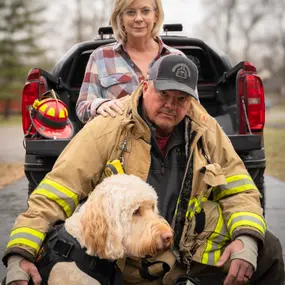
Firefighter | Author | Speaker
Tommy Bolin is a firefighter/paramedic with over 30 years of service and the author of Unseen Battles: The Price of Duty in a Life of Trauma and Sacrifice. After being diagnosed with PTSD, depression, and anxiety, Tommy turned his pain into purpose, becoming a mental health advocate for first responders, veterans, and their families. He now speaks across the country, challenging the stigma around mental health and encouraging open, honest conversations. His work aims to shift the culture of silence into one of healing, connection, and hope.