Apple Podcasts
 Spotify
 YouTube
 RSS Feed
 Why First Responder Workers' Comp Fails — David Picone and Ramsey Ali | S6 E32
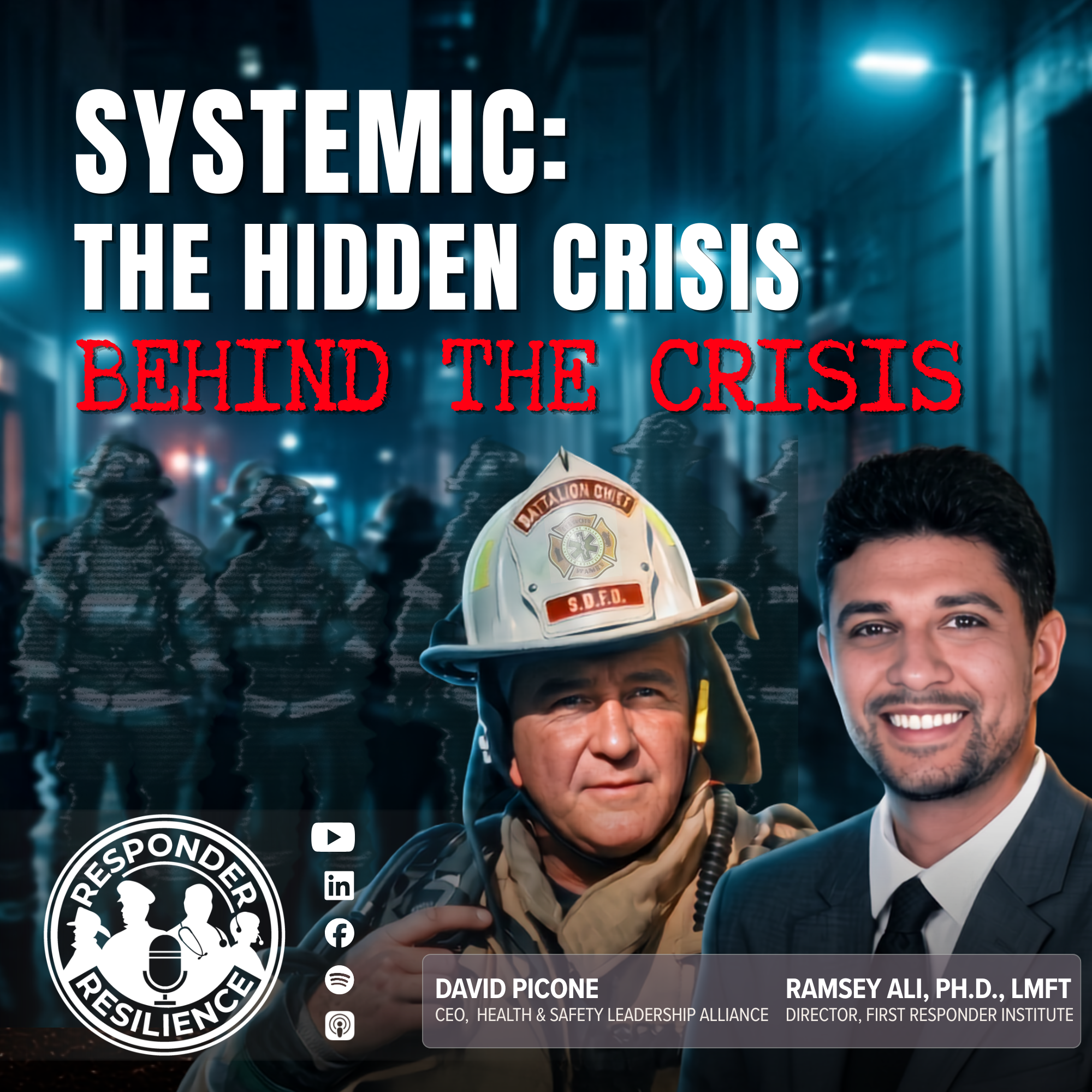
The injury gets treated. The claim gets filed. The responder gets lost in between. Retired Battalion Chief David Picone spent years inside a system that's supposed to cover everything: prevention, behavioral health, cancer, rehab, the claim itself, and watched it fail at the seams. So he rebuilt it.
The injury gets treated. The claim gets filed. The responder gets lost in between.
Retired Battalion Chief David Picone spent years inside a system that's supposed to cover everything: prevention, behavioral health, cancer, rehab, the claim itself, and watched it fail at the seams. So he rebuilt it. Thirty-four integrated policies. Injury rates down. A wellness center built like a Division I athletic program. Now, as CEO of the Health & Safety Leadership Alliance, he's taking that blueprint national.
Dr. Ramsey Ali sees what happens when the system fails. As Director of the First Responder Institute and PTSD IOP at Institutes of Health, he treats the complex cases: PTSD tangled with chronic pain and substance use, that siloed care left behind.
One built the system. One treats its casualties. In this episode, they expose where first responder wellness actually breaks down and what it takes to fix it at the system level, not just at the individual level.
In this episode:
- Where individual resilience ends, and organizational failure begins
- What workers' comp gets wrong about mental health claims
- What a department doing this right actually looks like
- The one thing Picone and Ali would change about how employers approach responder health
**Resources for Responder Wellness:**
• Book: Helping the Helpers https://a.co/d/dm0VS4Q
• Free App: CRACKYL http://crackyl.respondertv.com
• Fitness: FightCamp (code RESILIENCE for 10% off) http://joinfightcamp.com/rr
Contact David Picone and Ramsey Ali:
Learn more about HSLA: http://hslalliance.org
First Responder Institute at Institutes of Health: https://institutesofhealth.org
Contact Responder Resilience:
Phone: +1 844-344-6655
Email: info@respondertv.com
Our website with past episodes and more: https://www.respondertv.com/
YouTube: https://www.youtube.com/c/ResponderResilience
LinkedIn: https://www.linkedin.com/company/responder-resilience-podcast/
Instagram: https://www.instagram.com/responder.tv/
00:00 - Why The Current System Fails
04:49 - How Picconi And Ali Teamed Up
07:58 - Late Care And Fragmented Treatment
12:18 - Building An Integrated Wellness Blueprint
22:27 - What Doing It Right Looks Like
30:29 - Policies Templates And Real Leverage
34:45 - The Human Cost Of Delays
42:49 - Getting Buy In For Prevention
49:08 - Where To Find Them And Events
Why The Current System Fails
SPEAKER_04
We have to be a change maker and look outside the box. The way we've been doing things just doesn't work.
SPEAKER_01
Really trying to work on how to make this a more harmonious relationship has been one of the key goals of HSLA. The 20% of claims that become complex. That's where our Institutes of Health specializes. So when we can really treat that simultaneously, we always just see that people find quicker, more effective, healthier outcomes.
SPEAKER_04
They're serving the public, and then boom, there's an injury, and where's their care? It's delayed, it's it's fragmented. They're having to fight for everything they get.
SPEAKER_01
The adversarial nature, when that's reduced, when everyone's working together, the costs obviously go way down.
Voiceover
Welcome to Responder Resilience, along with my co-host Bonnie Rumley, LCSW, EMT, I'm David Dashinger. The injury gets treated, the claim gets filed, the responder gets lost in between. Retired battalion chief David Picconi spent years inside a system that's supposed to cover everything prevention, behavioral health, cancer, rehab, the claim itself, and watched it fail at the seams. So he rebuilt it. 34 integrated policies, injury rates down, a wellness center built like a Division I athletic program, and now as CEO of the Health and Safety Leadership Alliance, he's taking that blueprint national.
unknown
Dr.
Voiceover
Ramsey Ali sees what happens when the system fails. As director of the First Responder Institute and PTSD IOP at Institutes of Health, he treats the complex cases, PTSD tangled with chronic pain and substance abuse that siloed care has left behind. One built the system, one treats its casualties, and together they expose the hidden crisis behind the crisis, and they'll share how to fix it. This episode is brought to you by ByteCamp. Real training on your schedule. Head to jointbitecamp.com/slash RR and use code RESILIIENTES for 10% off. We invite you to like and subscribe. YouTube respond resilience, Facebook, Responder TV. We're on LinkedIn, Apple Podcasts, and Spotify, and our website is respondertv.com. We'll be right back to speak with Chief Picconi and Dr. Ali after this. Ask a first responder who they are, and you're likely to hear I am a police officer.
SPEAKER_00
I am a firefighter.
Voiceover
I am a paramedic.
SPEAKER_00
I am a 911 communications operator.
Voiceover
Not I do this work, but I have a good job. Ask a clinician why they work with first responders.
Bonnie Rumilly
And they may say, There's no higher calling than helping helpers.
Voiceover
Join us in shaping a culture where mental health, wellness, and leadership are prioritize, not whispering. Where support is a sign of strength, not failure, and where no one has to carry the weight alone. Welcome to Responder Resilience. We shine a spotlight on the unseen battles of first responder reality. And celebrate the powerful wins that come from the grit of post-traumatic growth. We understand the culture, honor the trust, and bring you conversations from the change makers, passionate about helping first responders come home whole.
SPEAKER_00
With your hosts, retired Lieutenant David Dashinger, Dr. Stacy Raymond, and Bonnie Roomeli, LCSW EMT.
Voiceover
So David Picconi is a retired Italian chief from San Diego Fire Rescue and the first certified health and safety officer in that department's history. During his tenure, he wrote 34 integrated policies, covering everything from prevention, behavioral health to cancer mitigation, injury rehab, and claims management. Injury rates dropped, and other departments took notice, some from as far away as Tokyo. He's a past recipient of the Chief Cindy Davis Safety Officer of the Year Award, and today, as CEO of the Health and Safety Leadership Alliance, he's working to bring that same system to fire, EMS, and law enforcement agencies across the country.
unknown
Dr.
Voiceover
Ramzi Ali is director of the First Responder Institute and the PTSD Intensive Outpatient Program at Institutes of Health, where he specializes in treating complex PTSD and public safety personnel. He's certified in cognitive processing therapy and trained in prolonged exposure and EMDR. Before joining Institutes of Health, he completed his postdoctoral residency at San Diego's VA Residential PTSD clinic. His work lives at the intersection where PTSD, chronic pain, and substance use collide, the exact place where silo treatment falls apart. Chief Picconi, Dr. Ali, welcome to Respond to Resilience.
SPEAKER_04
Thank you. Excited to get this thing started. Yeah. Hey Mir, it's nice to be here.
Bonnie Rumilly
Thank you for joining us. It's good to meet you both. Um,
How Picconi And Ali Teamed Up
Bonnie Rumilly
so being the therapist of the mix, the other therapist, I love to ask about the past. So um it seems that you two knew each other at one point before this podcast. So would you mind talking a little bit about how your worlds collided and how you met initially?
SPEAKER_04
It hasn't been a real long relationship, but I think we we clicked right away. And um, you know, the path kind of started while I was uh still with Sandigo Fire Rescue and you know, developing the program and putting pieces together that you know were missing. You know, there were just the the barriers in between that will kind of go through here, but you know, the system wasn't in place to actually streamline the care and have quick access, um, everything that every agency across the nation um and beyond is experiencing. And so in the as it relates to Dr. Ali, one of the um relationships we built was with our risk managers and our work comp manager, and knowing where our gap was near the end of my tenure uh was that piece of the outpatient, you know, where you're transitioning back, or you know, we were getting a lot of relapses because they were going straight back into work and there wasn't that you know easy transition back and uh that that piece that's after detox, right? Uh so our risk manager actually introduced us to the Institutes of Health and said, Hey, I think this might be a place yeah, you need to look at. And and I say we because um I partnered with our um San Diego PD. And so we together, their wellness unit and I on the health and safety side, uh, we were vetting places together with our risk managers. And so we went to Institutes of Health, and um at that point, uh Dr. Arlie wasn't there yet. Um, and uh they were just kind of getting the First Responder Institute, is a division of Institute of Health did not exist yet. So when we started with the Institute of South, they're like, hey, this is perfect, but we need to bring you up to the cultural competency, and these things need to be be in place. And so, like we did with other facilities, we helped them um create that program, and so in that creation of that program, and FRI was uh was born, and Dr. Ali was then uh hired uh to be part of the PTSD portion, and now he directs he's the director of the whole FRI PTSD. So um I think we we clicked right away. It was evident that he cared and that he had some insights that you know I'm I've learned a lot, but I'm a firefighter. And before firefighter, I was a drummer in a rock band. So, you know, it's a it's a whole different thing now, but learning from uh Dr. Ali and the other experts. That's how we kind of got together uh from there.
Voiceover
Dr. Ali, I'd like to have you talk a little bit about your end of um your your perspective on this, your clinical perspective.
Late Care And Fragmented Treatment
Voiceover
So talk about how the system can fail a first responder after a serious injury or behavioral health crisis. Um why is it happening and why does it keep happening?
SPEAKER_01
It's a great, great question. Um, so I have yeah, some definitely some thoughts on that. I think one of the most common failures, and we'll probably talk about this more as it goes on, but the system oftentimes responds too late. Um first responders are are often expected to continue functioning until their symptoms become severe enough to affect their work, relationships, sleep, physical health, you know, even their safety. And so by the time they receive that that care, the comprehensive care, um, it's years or months of trying to manage those symptoms privately, which really reinforces the vicious cycle of their symptoms to the present. And so that part of it, I think, is the the too late. It's also very fragmented care is a problem we see within the system itself. And so if a first responder is seeing one provider for chronic pain, another for sleep, another for medication, all the silo treatment, as you alluded to, David, was prolonging the issues themselves versus trying to find the root cause. And how are we we're not able to optimize the opportunities available to help that first responder in need with multiple comorbidities? Um, and then the last piece I can just say to this, and Chief, you can feel free to jump in, but is oftentimes the nature of the system of a workers' comp injury, so we deal with workers' comp injuries, the adversarial nature of the administrative workers' comp compensation processes. You know, we talked a lot about the department is separated from risk, risk not in touch with you know the adjuster, and the first responder feels completely out of the loop, but they're not prioritized in their care. And so, really trying to work on how to make this a more harmonious relationship has been one of the key goals of HSLA. But um, those are some of the failures and issues that I've seen.
Voiceover
You're trained to help people heal, but first responders, they carry trauma that's buried under silence, stigma, and stress. Helping the helpers gives you the framework to connect, to speak their language, earn their trust, and actually make an impact. From the experienced team and clinicians behind the Responder Resilience podcast, this isn't theory. It's real-world support for the ones who need you most. And this book isn't just for clinicians. If you're an agency leader, peer support team, chaplain, EAP, wellness program coordinator, or family member, helping the helpers will equip you with the tools, language, and insight to make a difference. Be the resource they can count on. Order your copy of Helping the Helpers on Amazon today.
Bonnie Rumilly
Um to bridge that gap with Chief Picone's work.
SPEAKER_01
Yeah, so part of this is, you know, we do a lot of advocacy and outreach, um, speaking about these um concerns to the public. And so when I have the opportunity to meet with Chief Piccone, and again, as he was saying, the chemistry is there, we would just kind of piggyback off of each other, uh, helping bring more awareness about why these systems are fragmented. And what I love, I talk about the clinical piece. Here's the the issues that we see very constant with a lot of the first responders, and here's the way we can fix it. Here are the treatments that we use, here's the the holistic approach to care, all of that covered. But then what helps with Chief when we're presenting together and we're discussing this is he has the numbers to support why reducing those fragmented care opportunities. How do we, the adversarial nature, when that's reduced, when everyone's working together, the costs obviously go way down. And more importantly than the costs going down, the first responder gets the care they need in a timely manner. And so he can speak about it from what he's seen directly on the front lines. And I know clinically that this opportunity with the care that we can provide with that relationship, our numbers speak for themselves of how many of our first responders get better professionally and personally.
SPEAKER_04
What's
Building An Integrated Wellness Blueprint
SPEAKER_04
interesting is that you kind of almost have to go all the way back to when I started in the position, which I don't know if that's one of your next questions, but just to kind of give you the global thing, and and I think that brings us into the HSLA where we fit in is that um, you know, when I first started in the position, there actually was a health and safety officer prior to me, but he it was a brand new position, there was no direction. Um, and he um did his uh required time and then I jumped in. And and I when I came in, I I I told the assistant chief at the time, um, look, I I'm happy in operations. I I love being in battalion six, and and we're doing some great work with the team. But if I'm gonna do this, everything with the workforce needs to come under health and safety. You know, wellness was with EMS, cancer was its own thing. We had a good physical program, but there was no you know coordination. So EMS is for the citizens, health and safety is for the workforce. If that is if you don't like that, don't pick me. And so um he did, and his marching orders were very simple. It was if somebody calls, have an answer. That's not very simple, right? But it is it is where I started, and and so I I started meeting with risk. We had some tough conversations, we really just kind of bridged the gaps, and hey, you guys are trying to deny our claims, and we tough conversations, and yeah, you guys are terrible at paperwork, you know, kind of going back and forth between their issues and mine. Um, fast forward, we really found that at the end of the day, we actually wanted a lot of the same things. We wanted to get back to work, we wanted to get good treatment, they wanted to get us back to work so they could reduce the costs and other things that they have the fiduciary responsibility for. So, in bridging those and seeing the outcomes that we were getting and continuing to vet facilities, there was a full comprehensive approach that had physical wellness, behavioral wellness, cancer prevention, our decon stuff, all the in the IIPP criteria for the CalOSHA and FedOSHA. And so now I'm able to take those same things with the numbers and the reduced number of um claim costs and the amount of uh dollars saved and really have those conversations with other agencies. And and we aren't, I guess we're kind of a training program, but we're really a partnership program where we're gonna come with you. We're not teaching you to the class and then leaving you on your own. We're bringing you together. Let's meet with your risk manager. I'll bring our risk manager, you know, part of the team in. You need to vet a facility, let's go vet a facility. These are the standards by which you should be looking, and we'll help you get there. Here's my policies. Just insert me. You know, I mean, we're trying to make it very simple and thus the nonprofit nature of it. This isn't a money-making scheme for me. It's just, you know, we hopefully we get some, you know, partnerships to be able to expand this further.
Voiceover
How often do you see the intersection of chronic pain, PTSD, and substance use interact with first responders? And and when you do, why does treating them in silos not work?
SPEAKER_01
Yeah, so that's a great question. We see the intersection of those disorders uh quite frequently at the instance of health. Um and the thing with chronic pain, PTSD substance use, for example, they often reinforce one another, right? So PTSD increases physiological arousal, reduces sleep quality, increases muscle tension, you know, irritability increases sensitivity to more physical discomfort. And so chronic pain, for example, can then serve as that constant reminder of the traumatic event or injury, especially if it happened on the job, um, which can intensify fear, anger, you know, avoidance, helplessness, some of those common PTSD symptoms. And then substances absolutely overlap because they may initially be used to help with sleep or reduce pain, um, quiet some of those intrusive thoughts, for example. But those also become just short-term relief mechanisms. And that will actually worsen sleep quality, will worsen mood, impact relationships, increase pain sensitivity, etc. Um, and that person can really become caught in the cycle, which pain increases trauma, trauma increases substance use, and substance use ultimately worsens both the pain and the PTSD. So treating these conditions simultaneously is the best way to do it. And the way we uh tend to operate at instance of health is that substance use is usually used as the numbing agent for trauma. Now, there are some people who have genetic dispositions to substance use alcohol is our number one indicator of the most common we see with our patients. But if we can really treat the root of the trauma, understanding what happened there, whether it's one incident, whether it's a series of cumulative effects of that trauma from the job and from even from their home life, we start to see that the substance use becomes less effective and it's a less dependency on that to help because they're dealing with all the emotional difficulties, they're facing the symptoms, thinking about it constantly through the homework of trauma, and now they're actually going out in the community and doing these exposures in a healthy way to reinforce confidence, competence, and more of that social reintegration that's been lost. And so a lot of that loses its appeal. And so when we can really treat that simultaneously, we always just see that people find um quicker, more effective, healthier outcomes.
SPEAKER_04
And we're really only talking about 20% of the claims. For and what I mean by that is 80% of the claims can be handled by TopMed. You know, you you broke an arm, you you fell, you sprained your ankle. The 20% of claims that become complex, that that's the where I institutes of health specializes. So I uh just wanted to throw that in. Go ahead, Bonnie.
Bonnie Rumilly
No, I agree. I think it's great how you're both taking systems issues ultimately and trying to bridge the gap in those systems issues. And I think in the therapy world, we see that a lot as well. You know, therapists can be very siloed. You know, maybe someone works really well with first responders and PTSD, but they don't do a lot of OCD or ADHD work. So the way that we sometimes work can be siloed. So I love the way that you're describing bringing all of these things together and looking at the holistic person, but also working with the department in the best interest of the person because that ultimately is going to lessen, in my opinion, the betrayal trauma and the institutional abandonment that so many responders feel as a result of not being cared for or feeling pushed aside or feeling that they have to fight for everything they get. Um, I like that you're both tackling that in different ways.
SPEAKER_04
Yeah, thank you. Yeah, and organizational betrayal is huge, right? And and you have, you know, on the resiliency piece, you have members doing everything they can do. They don't want to get cancer, they don't want to have PTSD, they're trying to do self-care, they're trying to take care of their family, they're dealing with, you know, department budget issues, overtime, mandatory, all the things that they're doing, and they're serving the public, and then boom, there's an injury, and and then where's their care? It's delayed, it's it's fragmented. They're having to, you know, fight for everything they get and and just having that open communication and dialogue. Um, but what's interesting, uh Dr. Ali, can you describe it sometimes when he's talking about reducing the silo, you know, um just the interdisciplinary care and the meetings you have, you know, bi-weekly with the clinicians. Can you touch on that?
SPEAKER_01
Absolutely, yeah. So part of that is we like as we were saying, we treat this in a very um you know comprehensive and and collaborative way, but even in our team meetings. So for example, today at 3 p.m. Pacific time, we have our PTSD team meeting across our entire organization. And so we will have 50 different people in that meeting talking about one patient at the same time in every discipline. And the disciplines vary from substance use to psychological and mental health to psychiatry to rehab therapy to our sleep scientists, to our nutritional team, even our chaplaincy program that we have with our patients. It we we cover all of the different pillars and layers of the person's care at the same time. And so we can make changes in real time to that person's care if we notice that, you know, for example, this is the one example I'd use a lot because it happens a lot. Some of our patients who are on medication, and not too many, we try to stay off of that, but the ones that need that, if they just started a new SSRI, that psychiatrist will tell us, hey, you're in your prolonged exposure protocol, maybe slow it down a bit this weekend to just to let them get adapted to their medication. So we're not putting them over the edge, right? Because trauma work is very intense, and so we have to be able to make those modifications and adjustments as it goes, and that really helps center the quality of care for the patient. Um, and so that those are our meetings. We always want to try to do that very collaboratively.
Voiceover
Most people work out to look better. You work out because lives depend on it, but the stress doesn't clock out when you do, the calls follow you home, and most workouts weren't built for any of that. Boxing was fighting. Builds endurance, reaction time, and real-world movement and tracks every punch so you see progress, not gets at it. Real training in your home on your schedule. You don't just finish workouts, you get better. Head to fightcamp.com slash RR and use code RESILIIENTE for 10% off. Fight Camp, real training on your schedule.
What Doing It Right Looks Like
Voiceover
Chief, um Buffy to share your perspective on when you work with an agency and guide them to start to make some changes uh to improve the process in the system. What does it look like when they're actually doing it right? And what are they doing differently than what most departments tend to do?
SPEAKER_04
There's still a stigma out there, right? And and I think that there's uh various layers of getting to the point where everybody's got um a stake, you know, in the process. And, you know, they may be coming from different motives. And you know, what I try to do is find out, you know, okay, what is their motive? I mean, it could be as simple as, hey, I need to have people on the floor when we're working, and these people are taking too long to get back to work. Industrial Eve keeps people off the you know, the engine and the squat car and everything. So finding those pieces and coordinating how they look together and make it giving the answer to those um and showing them how the other pieces fit in, because as Dr. Ali said, they're not talking, it's adversarial because there's a communication. And the communication, um, you know, if I go to talk to a risk manager, I'm just a firefighter asking for free stuff, right? But when I bring our risk manager in and they're talking the same language, and they see, oh, okay, you do it this way, and this is the process, and they're talking codes, it makes more sense to them. So it's really about bringing those pieces together. And I to answer is, you know, what are departments doing you know that are good? Um I think they're they're open, they're receptive, they're interested in changing things, and you have to be a change maker, you know, and look outside the box. The way we've been doing things just doesn't work. And you know, members are, you know, you we wouldn't have you know the highest cancer rates of death, you know, and and PTSD suicide, you know, and our heart-related issues. All those three, we've actually found there's a a term that I probably won't pronounce correctly, but psychoneuroimmunology, right? Did I say that even close? Okay. So basically it's the intersection that if you take chronic pain, the PTS suicide, all those four components that Dr. Lee they actually intersect with heart disease, cancer, PTS, and then the combining portion of that is workers' cup, utilization of you, getting the care that they all work together because they kind of all affect. So without putting those pieces together, and that's what we help agencies get to, but yeah, uh we have agencies that don't even have a peer support program, you know, all the way up to okay, we have this piece, this piece, this piece, but they're not just coordinating. So they're they're moving forward, they're simple. So what are everybody sees there's a problem, everybody wants to fix it, and I think it's just the what do we do now? What's our I don't know what net what is the next step, and that's what we kind of help them with.
Bonnie Rumilly
Well, just sort of an offshoot question. Um, to that point, how do you also both of you involve peer support in some of this aftercare and some of this planning? Because as you said, they they do have a critical role, they're their first line of defense for a lot of departments. And we know that some places it's mandated, some places it's not, which makes it more complicated. But how do you see that fitting in with all of this?
SPEAKER_01
I can jump on that first. So a couple of, I guess I have a few points to that, uh, Bonnie. One, I'll just think about the agency standpoint. I think strong agencies like San Diego, you know, fire department develop trusted peer support teams, and they're not asking peer supporters to function as clinicians. So that's a really important distinction. So peer supporters are really trained to recognize warning signs, have clear pathways for consultation, and know to connect members with different levels of care. And so our relationship with San Diego Fire Department, for example, health and safety and the peer support team is phenomenally licked. And we would not only have that close bond, but we also want to trust that if they have questions, they can pose it to us, and vice versa, if we have questions, we can pose to them without obviously breaking any HIPAA violations. On the other end of it, as a as an organization, myself and some other clinicians at times with our first responder program liaison, we have a liaison, um, that we go out in the community and we will collaborate with different departments and agencies with their peer support teams to give trainings on resilience, on PTSD awareness, on suicide prevention, on moral injury, the and other topics that these peer supporters say, hey, here's a need that we need to have understood with for our members, our first responders. Can you give some education, awareness, and tips on how to make you know preventative measures in place? And so it's not just for the first responders to come to us when they're really struggling, which of course we do, and as Chief Picone said, the 20% of those claims that need that extra support, that's where IOH, our organization comes in. But we also go on the front lines to make sure that we can get preventative steps with peer support teams with the exact topic that they need so that they have more tools in place.
SPEAKER_04
Yeah, and they actually go out as as you stated, um the they they go out and do peer support trainings or department level trainings. Um, they just did a couple recent ones for the entire agency, you know, and that was Sacramento Metro, I believe. Sacramento Sacramento Fire, yeah, safe fire. Yeah, so they did put the full fire department and and Los Angeles County, they did the full peer support team. But it's we're not trying to put anybody out of business, but they they they do it for free, you know, and it's like they do it because it's the right thing to do. Um, we you know, we we are at this point funded, you know, with with the donations and stuff, but man, peer support is huge. And I when I started in the position, we had like nine. We had uh for a department of 1400, we had nine, one chaplain, um, loosely trained. Um when I left, we had 70 peer supporters from all divisions. So by divisions, I mean fire operations, we had lifeguards, so lifeguard operations, dispatchers, we even had spousal peers and retired peers. And so they fit every gamut, and then we had four canines attached to our 14 chaplains that were crisis canines. They went out and did diffusings, and as Dr. Lee said, they they need to know when it's time to escalate, and they're escalation. They could certainly call the clinician directly with the we had a specific clinician for them. But everything funneled through health and safety so we can make sure things were were coordinated. And um, yeah, so it it's so important that you have that that front line, actually.
Bonnie Rumilly
Well, thanks for going into that. I think David and I are both smiling to each other here because uh we and Stacy are part of the Fairfield County trauma response team out here in Connecticut, and there's a lot of parallels of some of the things we're a nonprofit as well, and some of the trainings and things that you're describing are things that we also do. So that's why Dave and I are smiling because it's amazing to me that on the podcast we learn of other people doing such similar good work, seeing the same gaps. And here everyone is trying to hit it from every different angle possible on coast to coast. And it's just really heartwarming to me to see the passion that you both have, that all of our guests have, but um, it just validates all of our work, right? We're all speaking the same language here and seeing the same things and trying to fix it in a multitude of ways.
Voiceover
I
Policies Templates And Real Leverage
Voiceover
want to shift gears a little bit, and this would be like speaking to the chief out there who's listening, who has no policies or few policies on the shelf. How does HSLA help them with templates, drafting, whatever they need, so they're not starting at you know square one or zero? What do you mean?
SPEAKER_04
Yeah, um, and that's that's actually a call I get a lot. Um, we actually um the Cal Chiefs, which is the California Um Fighter Chiefs Association, all the O1s, uh, they just voted as an organization to support as stakeholders the Alliance, uh, Health Safety Leadership Alliance, because they see that it is industrial is an operational issue. And no matter how you slight it, it it's not only operations, but finances and everything the fire chief or police chief has to deal with on a day-in-day basis. So um most of the time, honestly, they're too busy, right? So they they send their wellness officer and say, hey, call Chief Picone, see what's going on, see if they can help us, right? So that's usually the first first call or in Jet Hub get. But then they're or they're making the introduction, deal with this person, let me know how we can fix these things. But then once we start figuring out where their gaps lie, um, they very quickly, as long, as long as they have an open mind. And so here's here's the interesting piece. They actually have more power than they think. And they they sometimes they feel like, well, what are we gonna do? It's WordCup, it's risk managers. This is just what they do. You know, utilization review said blank and we can't fight it. No, actually, the law is on your side, and I'm not saying they're bad people because they they're everyone's just trying to do their job, but the law does state that you are entitled evidence-based timely care. That's what the law says, you know, and if once you realize that and that they work for you as an organization, so you do have the power to reconstruct the contract when you go out to RFP. There's certain things you can do. And as an organization, what I tell the the risk managers is that do you know what we're doing? We have peer support, we have cancer prevention, we have physicals every year. Everything you can't pay for, we as an agency are owning. We're doing these things to not get ill, right? And so what the fire chief, police chief, uh, or deck director of an organization, you you gotta look internal first, right? Let's look internal, it's not all them. What can we fix that's low-hanging fruit? And let's start connecting with risk managers, and we we can get there, it's proven. It's it's a we're not saying this is a concept. We actually proved it at Central Fire Rescue that it that it worked with with police as well. So um, I think it's doable, it's not insurmountable, is my my point that I'd like to get to though.
Voiceover
Hey firefighters, let's take a moment to talk about something important. There's a new app built by firefighters for firefighters, and it's not just another wellness tracker or generic resource hub, it's called Crackle. You've probably seen the magazine, but this is the next evolution. The app is about one thing helping firefighters not fail. Not just on the job, but in life, in your health, your relationships, your mindset, and your longevity. That's why Crackle is designed to meet firefighters exactly where they are, with resources that make sense, are easy to use, and actually respect your time. You can download the app now for free as a legacy member. That means you get early access to exclusive content tools and updates as they drop. Use the QR code on the screen to download the Crackle app, or you can download it from the App Store or Google Play and stay in the fight, not just at work, but at home and in your own head too. Because your best days shouldn't be behind you, they should be ahead of you.
Bonnie Rumilly
Dr.
The Human Cost Of Delays
Bonnie Rumilly
Ali, I wanted to ask you once someone finally gets to you, once one of these first responders who's been tangled up in the system finally gets to treatment, what is the clinical cost of these systems' issues and and the toll that it takes on that person?
SPEAKER_01
Yeah, so once they have some delay like that, it's a significant clinical cost, right? By the time our first responders arrive in our PTSD intensive outpatient program, you know, they spent months really kind of living in survival mode, right? Navigating the workers' calm process. And during that time, PTSD symptoms rarely remain static. They actually tend to become more entrenched and increased. And so avoidance behaviors expand, hypervigilance becomes kind of the new normal. Sleep will obviously deteriorate, relationships become more strained, and substance use, right? Those ineffective coping strategies increase as a way to self-medicate, and returning to work can even start to feel like it's impossible for a career that they've loved and an identity that they've been entrenched in. And I'll speak a little bit more on it, but a neurolike biological perspective, the longer a traumatic memory goes unprocessed, the more ingrained that fear response actually becomes.
Voiceover
Chief, I'm gonna ask you a two-parter. We talked earlier, you talked earlier about getting workers' comp, admins, risk managers, safety stakeholders in the same room on the same page. Talk about how you actually pull that off and you know what dynamics are in play there. And part two is what are the tangible results? You know, if you're gonna talk, sell this to a chief or a department, what are the actual uh results you're seeing that would give them you know uh reason to buy into it?
SPEAKER_04
Yeah, and it's it's a fine dance uh for sure. Yeah, you know, and what's so for me in doing this, I I was very um blessed to be in the position that um, you know, I don't know what prepared me for this, I'm just not sure because it wasn't anything I had planned to do. Um and uh but I was close to retirement at the time. Um, so I I was at the point where you know, what are they gonna do? Right. It's like I I'm I I was just kind of a bull trying to show up, right? And and speaking very clearly, I I I really was like, hey, I don't have time to waste. You know, my brothers and sisters are dying, you know, and there's there's things going on. Unfortunately, during my tenure, I did nine fewer olds and I got real good at them, but I'm not proud of that. You know, I mean, I don't want to ever have to do that again. Um, many of them were suicide cancers, and and so you know, what does it look like now is that some every every dynamic's different. Sometimes they actually have a conversation, but it's there's a third-party administrator or somebody's out of the loop and they're not again talking. So I think what I've been able to do over my time doing this is you know, as I said on the chief question, you you have to find what their motive is, right? And it's not always money. Sometimes it's I I have it certainly there are people out there who are just not doing their job, right? I'm not claiming everybody is moral and upstanding, but I think by far and large, the people I've encountered really want to do a change, they just don't know how, or man, um, you know, I I view things differently, kind of at that 10,000 foot, 20,000, you know, really high level. And you have to be looking at how this can change. So meeting everybody is finding coming to them where they're at, not trying to get everybody in the room all at the same time. That's the end goal. But let's meet with your risk manager, see what's going on, let's develop what's that. Then, you know, we have somebody that heads up um that's focused on work comp. Okay, where are they? What's your third-party administrator doing? Okay, they're this type of system, they have this kind of a process, and so I think we could kind of go this way. Hey, what do you guys think, uh Mr. Risk Manager or WordCall Manager? Um, how how is your relationship with with fire department? How about we or police department? Um, how would you like to see some of this stuff? And we kind of start bridging that, opening the door and making it okay. And and sometimes they don't know how to talk to the public age, the public service agency, and public service doesn't know how to talk specifically to them. Sometimes it's the reverse. Sometimes we start with the fire agency or the police agency and say, okay, what what's your dynamic? Do you get along with risk? Oh no, we never talk. I have never talked to them in my whole tenure here. Okay, well, how about we reach out? Here's a way you can reach out, and you know what? Let it be, don't say we want to do this. Let's let's start with, hey, I have somebody I want you to meet to see what you think, right? There's ways to approach it to you know make it their idea, which my wife does to me all the time. It's you know, it's like, hey, no, no, Dave, it's your idea. No, no, really, you just kind of tricked me, but um, so but yeah, all those pieces uh tie in into place. And at the end of the day, what does it look like? It's that you know, they've developed fast access. You know, somebody gets injured, somebody has PTSD, never during work hours, right? It's on the weekends, it's at night, and that wellness officer, that PD sergeant gets the call. Hey, I'm in a bad way, or from their spouse, hey, they're binging, I need help. And I need to get them somewhere, right? And it's not the ER, because they're not gonna go where other people are gonna see them, right? So you have to have these systems in place. You can get there. I mean, it took me eight years, but my hope is to get you there in a couple. You know, we already have the groundwork in. I have, you know, the policies that that that we already have put these together, and this is the framework. So you will get there with streamlined care, and you're gonna be taking as an administrator of the organization, you're taking care of your people. There's not gonna be the organizational betrayal. They they know that they can trust health and safety, they know that the conf confidentiality is key to this whole thing, by the way. I mean, with peer support across the board, nobody knows. It's City Eagle Fire and Police. Administration doesn't know what health and safety is doing. And and I mean, at the minor level, they're not knowing who we're taking care of, when we're taking care of them, they just know it's getting done, and that's what you need to make sure and made clear of as a director of the organization. Get it done. Like my boss told me, when somebody calls, have an answer, and you're gonna keep moving.
Getting Buy In For Prevention
Bonnie Rumilly
So well, here's the million. No, that that was great, and it it got me thinking about this million-dollar question I'm gonna drop there for both of you. But how do we get the first responder world on this bus about prevention? You know, we're so good at it in the fire service, you know, smoke alarms and we wonderful booths at carnivals on how to educate people. I mean, the the list goes on about how in the first responder world we try to prevent injuries, illnesses, deaths in the public. But how do we get everyone on the train to say, look, it's time? Like, what else are we waiting for other than prevention? I'm talking about first responder leadership and departments specifically. Like, how do we get that buy-in from step one so that they make these calls to people like both of you?
SPEAKER_01
So I I can take a shot at that first, Chief. I um I think for me, and this is my ideal response here, but it's not just ideal. I think it's tangible. It can be done. This is what HSLA is attempting to do and doing. So it's shifting the approach from proving injury to facilitating recovery. Like how that's kind of the mindset of how we shift that. And so I think the first question often becomes is, you know, is this claim you know compensable or how do we limit maybe the exposure? I think those could be administrative, you know, questions that might need to be happened, but it's not really prioritizing the person's care. And so for me, when I see the injured worker, the first response that I think about is what does the individual need to become safe, stable, and functional? And how quickly can we connect them with the appropriate resources? And that's what comes up for me when we're trying to navigate this. And so as we've been speaking about early coordinated treatment it is not only more humane, because that's the number one, how are you giving them the most humane treatment? It is more operationally and financially responsible to right. That's the other, you know, the positive side effects of that. And so that delayed care allows something to become more entrenched and it hurts family disruption, extends their time away from work and raises the likelihood that a responder is going to require a higher level of care at some point. And so I think if we that employer, you know, risk managers, all this should view behavioral health treatment as an investment in workforce readiness, retention, and longer term functioning. And when a first responder believes that the organization is genuinely interested in recovery, rather than simply just evaluating what their abilities are, we know we see engagement improving, trust increases, and the likelihood of a successful outcome becomes much greater. And the last thing I'll say with a lot of our injured workers who come to our IOP, our intensive outpatient program, sometimes their captain or chief sends them a message. This is so simple, but it goes a long way. It's actually what we promote to the peer supporters as well. If they'll reach out and say hey how are you doing? That's a good question to ask. But then the next question goes when are you back on the schedule? And that second question almost invalidates their whole process of recovery. It shouldn't be about rushing people back, letting them get the care they need and feeling like just an ounce of compassion in that way goes a long way versus just your number going back on the schedule. So how do we prioritize them as a person first versus the number as part of that organizational betrayal. We need to reduce and shift the culture there as well because I hear that so often from a lot of our first responders and they just want to feel like what they're doing is valid and proven. And most first responders are really motivated to go back to work. They want to be at work. It's like a death sentence as chief talks about being on light duty or not being out is actually worse than anything. So let's try to give them the benefit of the doubt and the trust that they want to be back.
SPEAKER_04
The other piece on the how do you convince them for getting that uh prevention piece most of it's budget. I mean we have to get down to that right and the administrator is saying I can't I can't support for example Shadowfire has a um and police we have a contract it's psychological services contract over and above um EAP it's for the department member their families and the retirees anytime no set number and uh First Responder Institute currently has the contract for that so that's outside of the IUP peer support chaplaincy uh psychological services then IOP right that would be this that costs money yeah right having um physicals every year that are from the International Association of firefighters WFI full exams I mean that's like 1200 bucks a you know a person every you know every exam every year that's not cheap right so how do I get this approved and how you get it approved is we can show you a how it saves money now work comp money in the city anyway um work comp money is a different bucket right but by making these relationships Dave that we talked about earlier most of the time I we got an athletic trainer for our our members for pre-injury stuff how did we get that because my work comp manager that I was partnered with went with me to city council and said this is why they need the money for this it's saving us here. So you got to connect the dots they're there you're saving the city wants to know they're saving overall budget. So what did the city do? They paid for prevention activities like the psych services like the physicals not just because yes it's mandated they they could have got away with a $300 a year exam that is just you know uh you know on a put you on a heart monitor and you're okay right but it if they were above and beyond cancer prevention uh different types of land testing these are all tests that are included in our exam that are comprehensive so you can prove these pieces and they're all there and so by having the other pieces support each other that's that's where you get to to bringing everything together and
Where To Find Them And Events
SPEAKER_04
Dr.
Voiceover
Ali's other points just kind of coincide with those we covered a lot and uh as we wrap up Chief and Dr. Ali please share where people can find you any events you have coming up social media links and anything else you want to share about that.
SPEAKER_04
Yeah perfect so um our website is HSL alliance so health and safety leadershipalliance dot org and so we'll we'll have that link in here and um Jung we we we're available uh to discuss your agency issues just put something in the contact of the email there and we'll get back to you on that and we'll kind of start the process this is national certainly we're in California but we are aware of the work cop issues you know throughout the nation and as you stated I mean Australia uh Tokyo uh Germany I mean it's like we've been called and visited by by many um and so some of the events we have coming up the um we're actually doing a conference um at a workers' cop conference in September so usually public safety doesn't go to those things right it's just suggesters but it's not hard for me to convince a public servant that they should get care. The hard part is getting risk management to understand why it's important and what we're doing. So we're actually presenting to them and we're doing a pre-conference course that's called Beyond Cost Containment that's gonna be on September 21st and it's for both first responders we're gonna bring them in for free public safety can come in for free with their risk manager to attend the pre-conference course three hours of this is practically how it's done we're gonna have uh myself we're gonna have somebody from law enforcement we're gonna have a risk manager we're gonna have a city attorney we're gonna have an applicant attorney all of us all together in the same room showing about stuff so then uh after that uh uh fire service psychology association their conference is up in um Oregon and so we're doing a pre-conference course for them and what's what it's called is workers comp they didn't teach you and so it's a three hour course um before their main conference starts we're also presenting and so we have various um things we're we're doing at different conferences at Cal Chiefs and um fire department safety officers association is very um into doing some of these um events so um if you have something you'd like to reach out for us for uh that's uh we're more than happy to help you and we'll be able to get you tied in Bonnie final thoughts it was great to speak to both of you this is a different lens uh to look at this with for us and it's a really neat conversation that we really haven't dived into before.
Bonnie Rumilly
So really grateful to both of you for all of your insights your expertise the neat ways you've found to work with each other and we really appreciate your time today.
SPEAKER_04
Keep doing all these great things thank you so much for the time I really appreciate the uh opportunity to speak about this very important and timely topic and um it's always a pleasure um doing anything with Chief Plakoni so thanks for uh thanks for this opportunity you're welcome yeah thank you and thank you david for for meeting with me a couple weeks ago to get this thing set up and body advice being you and um Josh uh let's get this done I mean it this this is something that we've all know is needs to happen and uh the more we can do it's just gonna be better for everybody. So thanks for the opportunity appreciate it.
Voiceover
Absolutely and uh yeah what's great is you guys are creating a win-win for all the stakeholders involved here and not the least of which is the first responder who is as you said just wants to do their job and get back to it if they're out and uh this is going to help uh ease that process and make it uh probably less expensive and less difficult and less onerous so uh kudos for what you're doing continued success and thanks for being with us today thank you remember like and subscribe YouTube responder resilience we're on Facebook responder TV we're on LinkedIn we're on Apple Podcasts and Spotify and our website is responder tv.com till the next time stay safe be kind to yourself take care of
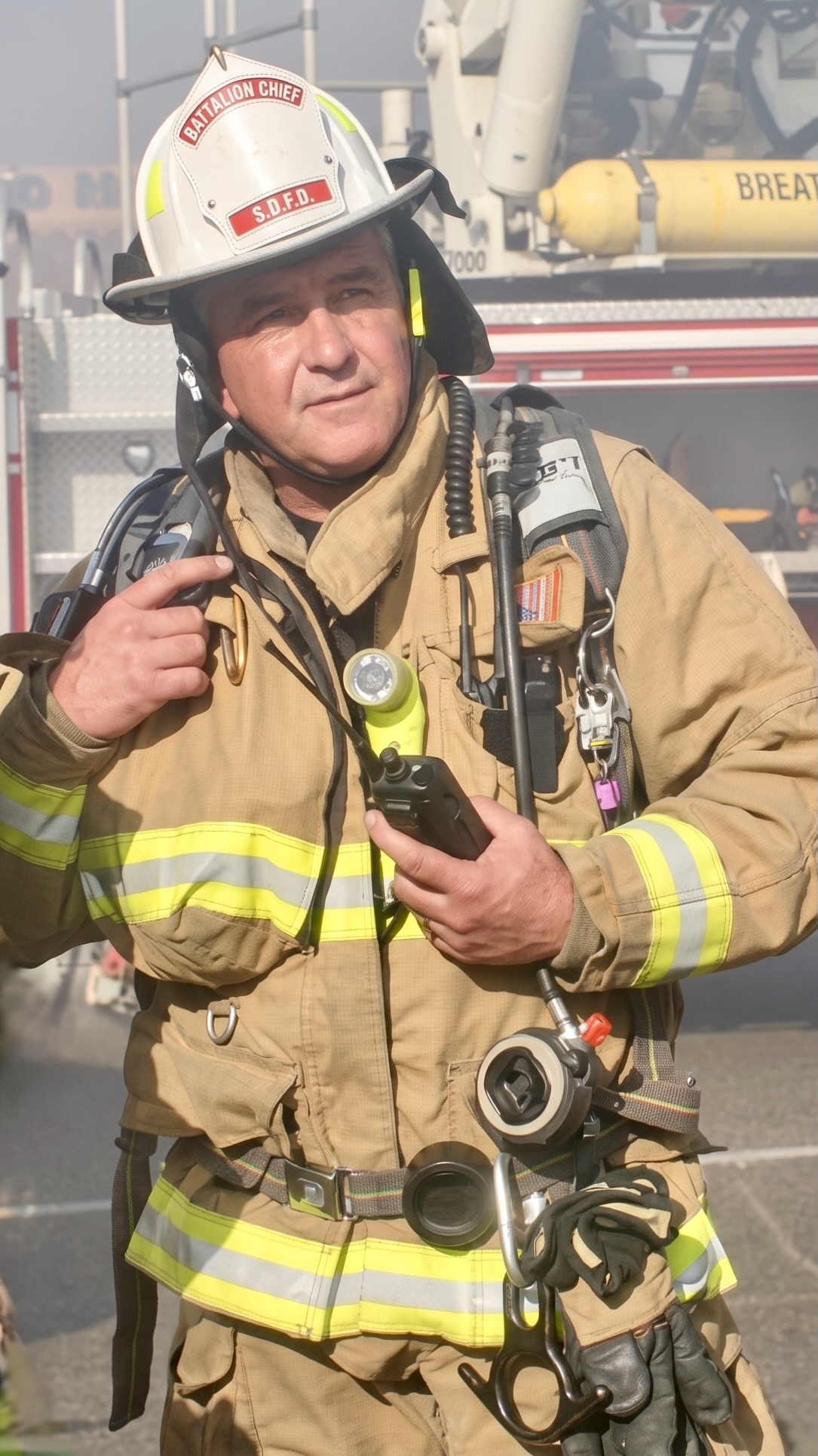
CEO of the Health & Safety Leadership Alliance | Retired Battalion Chief
David Picone is CEO of the Health & Safety Leadership Alliance and a retired Battalion Chief from the San Diego Fire-Rescue Department. Over his 30-year career, he built one of the most comprehensive Health & Safety Office models in the fire service, authoring 34 integrated policies that address prevention, behavioral health, cancer mitigation, injury rehabilitation, and coordinated claims management. During a decade of operational growth, SDFD’s injury rate per FTE dropped from 32% to 24%, while annual workers’ compensation claims remained stable despite increased presumptive exposures. He secured over $1.5M in grants to develop a Division I–level Wellness Center and expanded peer, chaplain, and canine-based crisis support services department-wide. As CEO, Picone now leads a national effort to scale this proof-of-value framework across the fire, EMS, law enforcement, labor, healthcare, and risk sectors—aligning prevention and recovery systems with NFPA, OSHA, Cal/OSHA, IAFF-WFI, MTUS, ACOEM, and law enforcement standards.
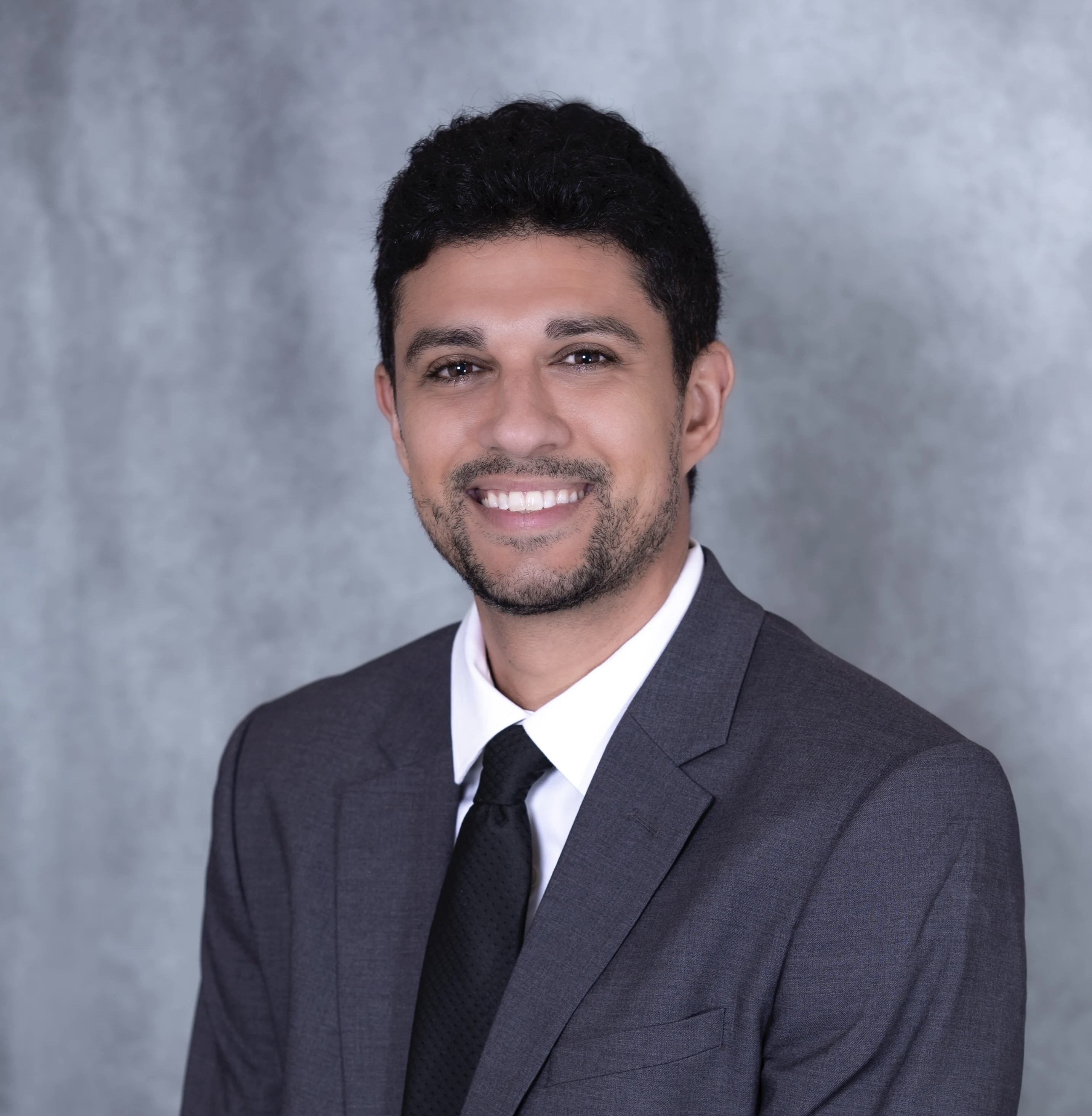
Director of the First Responder Institute and PTSD IOP at Institutes of Health
Dr. Ali is Director of the First Responder Institute and PTSD IOP at Institutes of Health, where he specializes in treating complex PTSD. In addition to treating patients, he engages with the Institute's clinical transdisciplinary community by facilitating team meetings, developing programs, supervising pre-licensed clinicians, assessing patient diagnoses, and leading individual/group treatment and outdoor exposure planning. Dr. Ali is certified in the trauma modality Cognitive Processing Therapy (CPT). Moreover, he is fully trained in and utilizes other evidence-based trauma modalities, including Prolonged Exposure (PE) and Eye Movement Desensitization and Reprocessing (EMDR). Prior to IOH, Dr. Ali was a postdoctoral resident at the San Diego VA in the residential PTSD clinic, Aspire Center. Dr. Ali has extensive experience working in hospital settings, focusing on PTSD, chronic pain, and substance use. Dr. Ali has several publications, including co-authoring a book chapter on treating the comorbidity of psychiatric disorders and chronic pain.