


 Apple Podcasts
 Spotify
 YouTube
 RSS Feed
 Revolutionize Your Resilience with Jim Burneka and Nick Magoteaux | S5 E32
We sit down with Jim Burneka and Nick Magoteaux, the dynamic duo behind the Firefighter Health & Wellness Conference. From raw, personal stories to powerful insights about mental health, these two are on a mission to help first responders navigate the often-overlooked challenges they face.
In this dynamic episode, join us as we sit down with Jim Burneka and Nick Magoteaux, the dynamic duo behind the Firefighter Health & Wellness Conference. From raw, personal stories to powerful insights about mental health, these two are on a mission to help first responders navigate the often-overlooked challenges they face.
We'll dive into their unique conference setup—they’ve had a wrestling ring on stage!—and explore the evolution of support for firefighters impacting everything from cancer awareness to thriving in retirement. Tune in and discover the brotherhood that’s changing lives, one conversation at a time.
Coming September 2025!! Helping the Helpers: A Clinician’s Guide to First Responder Mental Wellness, a new book that equips you to build a First Responder-Centered Practice that works. Get a FREE sample Chapter and Book Launch Invite!! Go to HelpingTheHelpers.me to get Early Access when you sign up!
Thanks to our resource partner, Circl Brain. Because the toughest battles deserve the sharpest minds. Go to https://www.circlbrain.com/ or contact sales@circlbrain.com
Thanks also to our resource partner, the First Responder Center for Excellence, https://firstrespondercenter.org
Thanks to our resource partner, CRACKYL. Download the FREE CRACKYL App: http://crackyl.respondertv.com
Contact Jim Burneka and Nick Magoteaux :
CONFERENCE: Firefighter Health & Wellness Conference - October 15th - 17th, 2025 in Exotic Beavercreek, Ohio. www.exoticbeavercreek.com
https://www.facebook.com/FFHWConference
Book: Overcoming Tuesday: A First Responder's Tale of Healing And Resiliency https://a.co/d/ioDEGFh
Brothers Helping Brothers https://www.facebook.com/brothershelpingbrothers
Facebook: https://www.facebook.com/jburneka
Instagram: https://www.instagram.com/jimburneka/
LinkedIn: https://www.linkedin.com/in/jim-burneka-jr/
LinkedIn: https://www.linkedin.com/in/nmagoteaux/
Contact Responder Resilience:
Phone: +1 844-344-6655
Email: info@respondertv.com
Our website with past episodes and more: https://www.respondertv.com/
YouTube: https://www.youtube.com/c/ResponderResilience
LinkedIn: https://www.linkedin.com/company/responder-resilience-podcast/
Instagram: https://www.instagram.com/responder.tv/
Facebook: https://www.facebook.com/responderTV/
It's refreshing to see departments hiring clinicians and having wellness officers and things like that, because I mean just as short as 10 years ago, that stuff wasn't wasn't even a thought or a priority.
SPEAKER_04I don't do what I did beforehand, but that doesn't mean that I can't contribute and still have some meaningful things that I put out there.
SPEAKER_03The other thing is we've noticed is people use the guise of, hey, I'm gonna go check this conference out for our department when in fact they're the ones who really need the most help.
SPEAKER_04They were doing great, I would do great. But if they slipped up and they were having difficulties, I a lot of times went along for that ride.
VoiceoverWelcome to Respond Resilience. Today we have two powerhouse guests, Jim Bernica and Nick Magato, their podcast hosts, authors, and masterminds behind the Firefighter Health and Wellness Conference. These guys have not only forged an unbreakable brotherhood, but they're on a mission to bring raw honesty, personal experience, and their passion for helping fellow first responders to our profession. So get ready to hear their incredible journey of friendship and their powerful mission, and we'll get a ton of insights that could transform lives. This episode is made possible by Circle Brain. If you're a first responder, it's time to take brain health seriously. Go to circlebrain.com to learn more because the toughest battles deserve the sharpest minds. This episode is made possible by the First Responder Center for Excellence. Discover more at firstrespondercenter.org and connect with us on X, Facebook, LinkedIn, Instagram, and YouTube. There's a new app built by firefighters for firefighters, and it's called Crackle. Download the app now for free as a legacy member and get early access to exclusive content, tools, and updates as they drop. Get the free app at crackle.responderTV.com. Remember to like and subscribe, YouTube, responder resilience, Facebook, Responder TV, LinkedIn, Apple Podcasts, Spotify. Go to our website, respondertv.com for past episodes and guest information. We'll be right back to speak with Nick and Jim right after this.
SPEAKER_08In this family, more of us die by our own hands and by the hazards of the job.
VoiceoverIn this family, up to a quarter of 911 telecommunicators have symptoms of post-traumatic stress.
SPEAKER_08In this family, our mental health and wellness are in crisis, while responders are quietly suffering. In this family, many struggle with job-related stress, burnout, moral injury, street disruption, substance abuse, and relationship problems. In this family, we can help the helpers. With vital information, resilience strategies, and success stories of overcoming the obstacles.
VoiceoverWelcome to Responder Resilience. We co-hosts retired Lieutenant David Dashinger, Dr. Stacy Raymond, and Bonnie Wimley, LCSW EMTB. We want to welcome a couple of brothers from Another Mother that I had the fun pleasure to be with them on their podcast, and also we shared the fish bowl at FDIC back in April. So we've been traveling in some of the same circles, and we certainly know a lot of the same folks out there doing good work. So quick bios. Jim Bernica is a recently retired firefighter paramedic with the Dayton, Ohio Fire Department, where he served as inaugural wellness coordinator. With over 18 years of experience in the fight against occupational cancer, Jim is a cancer survivor and advocate for first responder health. He's also a technical committee member for the NFPA standards, focused on contamination control and responder wellness. And in addition to hosting two podcasts and contributing a column to Firefighter Nation, Jim co-authored the Amazon bestseller, Overcoming Tuesday, The First Responder's Tale of Healing and Resiliency. Jim resides in exotic Fever Creek, Ohio with his wife and sons. And Nick Magatoe has devoted nearly his entire adult life to public safety, serving as a firefighter, corrections officer, and 911 dispatcher. Currently, he works in customer field support for Fire Safety Services of Ohio. And in addition to his professional role, Nick is deeply involved with Brothers Helping Brothers, where he manages day-to-day operations for the nonprofit. His passion for supporting fellow public safety professionals is evident in everything he does. Nick and Jim, welcome to Respond to Resilience. Well, thank you, Dave.
Bonnie RumillyI'm excited about this one, I have to say.
SPEAKER_04She said that to all of them.
Bonnie RumillyWell, have you listened to everyone so that you actually know them?
VoiceoverI'm working on it. Actually, uh he's never said that before, so you guys are a rare uh rare treat here today to have on the show. Um, and I wanted to kind of get the ball rolling by hearing how you guys met. Like, you know, it's almost like asking a married couple, like, how'd you guys met? But um, yeah, what's the backstory? Like, how did you guys have a lot of people? It kind of was a blind date.
SPEAKER_04I mean, you kind of need to be with both of us. Go ahead, Nick.
SPEAKER_03Uh well, so uh so 2018, we were doing I was doing um uh firefighter or fire and EMS conference for brothers helping brothers, and uh saw that there was a great uh, you know, lots of interest in firefighter cancer, but uh not a lot of interest in any other health and wellness topics. So um I decided that at that point I needed to uh try maybe try doing a conference where we're we're talking about firefighter cancer and and mental health, really, uh how it started. So my grand plan was I'll I'll lure them in with the cancer talks and I'll shove mental health down their throats. Um so within that I had to start kind of reaching out and try to find people that uh were experts in those those fields, and um that's where uh I found Jim. So Jim and I were uh linked in together for a while, I think previous to that. Uh I knew he lived in Dayton where I lived and worked for the Dayton Fire Department, had uh some uh interest in firefighter cancer, so reached out. We ended up having lunch, and um you know here we are eight years later, dang dang you're married.
Bonnie RumillySounds very familiar, doesn't it, David?
VoiceoverYeah, yeah, it's funny how how these things evolve, right? Sometimes um we we come into a situation, we just meet people in one one scenario and it leads to something never would have anticipated, but it's all good stuff. So um glad glad you guys are out there doing the work you're doing, not just um on the podcast, but also with the conference, and we'll we'll get back to that uh a little bit.
Bonnie RumillyYeah, Jim, I'd love to hear about your work with the Dayton firefighters and what you did to raise awareness with mental health.
SPEAKER_04Oh goodness. Um you know, so I was the union's health and safety guy near the end of my career, and that also gave me the added responsibilities of also being the peer support um coordinator for the local, and that was a team of about 40 members, active, retired chaplains, all different ranks, all that kind of stuff, clinicians. And then um the department actually made me their inaugural wellness coordinator. So I was all wellness all the time. I was like a walk-in contradiction as far as being labor and management. Um, but probably the you know, I knew when when I got that nod to be in that position, a brand new position, what I ended up doing first just to kind of get the pulse, was I and I'm sure I mean people love surveys, but I mean sarcastic when I say that. But that's that's what I did, is I I created a survey and I went around crew to crew, station to station, and I took everybody out of service when they were filling out the survey, and I just said, be honest, tell me truth. I'm not gonna be able to do anything if you're not honest with me. And I ended up getting over 200 results, and um they were I mean, they really just it laid out the roadmap of what I needed to work on, and you know, uh, you know, Nick brought me in because I was the cancer guy, but and I think everybody who who would have thought ahead of time, like if we were going to do a parlay and bet, like what is Jim gonna work on, they would assume that I cancer would have been my focus. I never really even got to that because the behavioral health uh questions and answers were so kind of damning that that had to be my focus. When you, you know, when I looked at the surveys and I have and I knew I went to straight to question 17, which was the suicide question. And I had, and what I realized is there were crews on both enough people, and again, I don't know who they were, which made it even that much more difficult. Um, but there were enough to where there was crews on each side of the city each day that were admitting to me that they were suicidal, and those were the ones that were being honest, yeah. And I only got really two-thirds of the department, so I knew, man, this is this is very problematic. And this is again, this is the department where we've already had two suicides beforehand the last five years. So that's really where my focus was. So, in order to really take that on, I actually was able I talked them into bringing an outside speaker for the first time in my career. It was the only time we brought an outside person to come in and actually talk about that. And I was able to bring in Joe Terry, who is an if you haven't talked to her, she's an absolute force. Um, her husband Chip was uh assistant chief in uh Covington, Kentucky fire, and he completed suicide a few years ago, and now you know she's the one out there basically saying you know, don't do this to your family, you know. Um true, so powerful. And for the first time during her talk, I think there were so many members, and I I was watching it live live time, and they it's like they all dawned on them, like crap. You know, they're looking at this PTSD chart and they're going, Oh, this is me, I have all of this. And it was we did 12 sessions, it was a marathon, it was I put her through absolute hell to get it done, which I still feel bad for to this day, but um it changed the trajectory of our department, and we followed up with that. It was important to note too that we followed up this talk with also announcing that we were going to start doing um clinician checkups where we actually had the clinician coming into the firehouses and again taking it out of service, and everybody had an opportunity to talk to a clinician if they wanted to. So we kind of worked that together where we rolled that out, and and that really was I mean, it was so so so helpful and uh made a lot of impact pretty quickly, and actually for relatively cheap. So that's my short, and I don't think that was sweet or short, but there you go.
VoiceoverStand by for an important announcement about our book launch coming September 2025.
Bonnie RumillyAll units, stand by for confirmed structure fire with important person's trade.
VoiceoverIn a world where first responders save lives, this book could help save theirs by preparing you to answer when they call for help. Based on over 200 conversations and the trusted team behind the Responder Resilience podcast, helping the helpers gives you the tools to understand their world, speak their language, and earn their trust. This work is challenging, but deeply needed and profoundly rewarding. Their stories don't start with trauma, but too often they end there. Infused with real-life experiences, this guide reveals the human behind the badge and equips you to build a first responder-centered practice that works from understanding their culture to the practical realities of working with first responders and chapters across the spectrum of first responder professions. You'll gain insight into the hidden struggles that shape their reality and the steps you can take to help them heal. When trust is shattered, the stakes are high. This book helps you build it before it's too late. Are you ready to make a difference? Be the resource they can count on. Get early access, including a free sample chapter and book launch invite. Go to helpingthehelpers.me to get your early access when you sign up. Helping the helpers book launches in September 2025.
Bonnie RumillyYeah, but what you're describing is so progressive for the time period that you started doing that in, and here you basically came up with this idea yourself. It's pretty incredible. Um, I can't imagine standing in front of your own brothers and sisters in your own department knowing how many of them were disclosing the suicidal ideations. And you must have felt such a sense of urgency. How did you cope with that?
SPEAKER_04Badly. All night, all day. I mean, and I would answer any call because I really in my head I felt like I was I could be the guy that like the last chance that somebody would call would be me. And I need to answer that that phone call. Like it, like the pressure, it was all pressure that I put on myself. Um and that vicarious trauma, the secondary trauma that I was dealing with, um, with all because these are all my coworkers, a lot of them were my friends, and I I definitely felt like I would attach to some of them. And if they were doing great, I would do great. But if they slipped up and they, you know, were having difficulties, I a lot of times went along for that ride. And uh it just, you know, looking back hindsight, of course, uh, it wasn't fair for me, it wasn't fair for my family. Um, and it just was it was ultimately too much. And it it it really whatever issues I had, it it even made them worse. Uh to the point in which I I basically became a victim myself and I had to go away and I retired early. Um so what I thought truly was gonna be like an answered prayer to get a position like that, it ended up being more of a nightmare. Which which I don't think anybody really saw that happening, but uh I I I would say we had a good six-month kind of honeymoon phase, and then it really just went too bad, and when it went bad, it went really bad. And and I mean it was it's enough bombing to where when I got done with a job, and I I had been quiet because of how I've been treated, and like when I was finally done and retired, and I've got the pension check finally in there, and I felt safe and secure. That's when I was like, okay, I can finally talk and tell everybody what happened. And and that's really how the book came about because I'd been quiet for so long living in fear, and it was now that that was over, it's like, all right, now let's let's actually talk about it and let's tell everybody what truly actually happened.
Bonnie RumillyWell, I can't imagine. I know how hard it is um you know, to when you care about your clients as a therapist and we go through so much training to prepare us on those boundaries and how to protect ourselves and all of that. I can't even imagine being put into that position without having any of that knowledge base first. Right? And and what you did was out of pure care and love. So I I can't even imagine.
SPEAKER_04But but I mean, I would tell you, um I knew what to do, but knew knowing what to do and actually doing it were were very separate from me at that point in time. I was not quite simply, I was not following my own advice that I was giving.
unknownSure.
SPEAKER_04And that had a lot to do with uh the shame and guilt that I felt as well, because uh here I was the guy that everybody was supposed to come to, and I had all the answers and I was gonna take care of them. Um and internally I felt, well, w how does it look? What are the optics of, you know, if if I have issues? Like, you know, why nobody's gonna come to me if if I'm struggling as well. And it's obvious. So I put this facade on and I acted my butt off for months. And it really wasn't until I had a good friend like see through it and call me out on it that uh I finally went and and accepted that it's I'm too far deep now and I needed to get help. I needed to go away.
VoiceoverSo Nick, I'd love to bring your perspective into this um topic. You've worn a few different hats in first responder professions, and so that gives you a unique perspective on on kind of the challenges of doing these different jobs. What have you seen in terms of you know the evolution of mental health, the conversation, the tools, the resources, and sort of the openness to get seek help when it's needed. Um, what what do you think where do you think we're at now? Where do we need to go?
SPEAKER_03Well, it's been interesting because like I'll tell you, so from 2018 to to where we are today, uh it's almost a complete 180. You know, we when we started the conference, you know, we were bringing people in to talk about cancer, which was the hot topic at the time. And, you know, uh what we what we did with that was, you know, we kind of all we alternated speakers. So you had a cancer speaker, and then you had a mental health speaker. So really you had to sit through both in order to get to all you know all of what you wanted to hear. And where we are today, it's it's really interesting, you know, um, is people are more apt to talk about mental health issues than they are about cancer or you know, any other wellness topic. You know, there's a heavy focus. Um, so I think you know, we're we're making good strides in that in that fashion. Um obviously there's I think there's still a lot of work to do. You know, there's still people I mean, it's difficult, right? You know, there's a stigma to it, there's shame, there's guilt, there's a lot of these emotions that we have to overcome uh in order to, you know, reach out for help. I mean, Jim's a good example, right? Like someone who who knew and still struggled with, you know. Seeking help. So um, you know, there's there's still a lot of work to do, but I think uh, you know, we're we're making strides and going in the right directions. It's refreshing to see departments hiring clinicians and having wellness officers and things like that, because I mean, I mean, just as short as 10 years ago, that stuff wasn't wasn't even a thought or a priority uh in in the budgets and things like that. So and I know COVID, COVID kind of, I think, accelerated things a little bit, uh, added added a little bit of um fire underneath the the butt, if you will, because you know, there was a lot of mental health issues during the during the pandemic, and so there was a lot of money earmarked to to help with those issues. So that's I think where a lot of departments were funding their uh clinician programs and wellness coordinators and things like that. Um hopefully, you know, that continues. Um, you know, some I've seen some trends where, you know, now that the money has kind of ran out on COVID money and stuff like that, you know, departments are opting to go away from having those clinician programs and things like that. But um, you know, I I think, especially now in the world where we're there's such a fierce um competition to get employees, to get firefighters and first responders and things like that, because it's it's been extremely difficult to recruit these days. Um, you're gonna see more departments step up uh to this type of stuff just because you know that they there has to be something attractive. If you can't offer a really awesome salary or something like that, there has to be good good benefits. And and uh I think that that's you know where we're gonna see things move, hopefully move in the future.
VoiceoverBoxing has the power to change lives, especially for first responders. Fight Camp embraces your journey, whether you're stepping into the ring for the first time, returning after a break, or aiming to elevate your fitness. Harness the strength of boxing to release stress, build resilience, and connect with a supportive community one punch at a time. For free shipping and a free month of membership, go to joinfightcamp.com slash shop and use the code RRP1. That's R-R-P-O-N-E. And Jim, you mentioned something I think is fascinating. I think both of you guys could speak to this, and that's um, you know, we almost have like a certain I'd say parameters of behavior or or language when we're on the job. And then when we retire and get a little space, we can start to talk about things we never felt comfortable talking about when we were working. And I'm sure you guys as podcast hosts um see that as a vehicle. I know I do doing what I do, um, bringing topics to the podcast that speak to some of the frustrations and challenges I saw on the job. Um, how does that how does that play out for you now that you're you know you've got some time and distance from working as uh first responder?
SPEAKER_04Well, I mean that's a great question, David. And I think ultimately I I just I've accepted that I have been repurposed. I I don't do what I did beforehand, but that doesn't mean that I can't contribute and still have some meaningful, you know, things that I put out there. And um Firefighter Nation has been great as far as giving us um avenues to put stuff out, you know, being able to do two shows a month, write a monthly column, like I can I can really just talk about stuff that um bugged me when I was working and and just you know, because again, could still contribute, it's just different, but it's still it's still meaningful, and like I just realized there was a there was a point in time in which I realized that my focus wasn't on the lovely citizens of Dayton. Like my focus really went to the internal customer to my my my peers. And and I that that just continues, but but now being retired, uh my my focus doesn't just have to be in a small area in Dayton. It it can be regional, statewide, and even even beyond um is is the nice thing now. I really have no boundaries um and uh true freedom. And that has been really amazing. And I and I think I floundered a little bit at first when I retired trying to just figure this out, but but now I I I love where I'm at. I can contribute, I can do things, but at the same time, I have much better balance than I did beforehand. So yeah, the key, if you're if you're out there and you want to know the key to work-life balance, retire. That's that's really that's that's really what it is.
VoiceoverRetire with a purpose, right? Like uh, yeah, you have to you have to figure out something to do with your life, especially if you're coming from serv doing service as we as we all do. Um Bonnie, you want to ask um Nick about the conference? Because I know that's uh coming up in the fall.
Bonnie RumillyYeah, um, you've referred to it as the one you didn't know you needed. Can you talk about what you mean by that? And then I'm gonna follow up that that with another question of asking about the ring.
unknownYeah.
SPEAKER_03Yeah, so um so every since 2018 we've been doing a uh firefighter health and wellness conference uh in uh in Ohio, and um we've it's it's kind of an interesting thing because like um a lot of the times the people that we see that the people that come to the conference, for one, we have a lot of repeat uh attendees, you know, uh we have people that come every year, um, which is great. And um the other thing is we've noticed is you know sometimes people use the guise of uh you know, hey, I'm gonna go check this conference out for our department when in fact they're the ones who who really need the the most help. And um it's it's good, you know, because like obviously being behind the scenes, you know, if you attend a conference, and I'm sure you don't, you know, you don't obviously don't see sometimes all the everything that's going on, but when you are hosting the conference, there's a lot of stuff that does go on that people don't necessarily see. And um that's that's one of the reasons that keeps us going on on the on the conference is just because we've seen and we know for you know for a fact that we've helped other people, you know, get help or make that first step in and admitting that they do need help and and seeking some sort of solution to that problem. So um, you know, it's it's been a real humbling experience because like a couple of years ago we went out to uh actually secure some of that COVID money for our conference, and uh the county asked us to to ask for testimonies from the fire chiefs in the in the area. And uh we don't know who you know wrote in, but like when we talked to them, that they were truly moved by the testimonies they received because people wrote in saying that you know that that saved their life, it saved their marriage, things like that. So um it's a really impactful conference. Um, you know, if if the per if if you're willing to come and join us, right? Because like it's it's kind of a unique atmosphere in the sense that you know what we've been able to do is kind of make it a safe environment for people to come and uh be with like-minded people and uh you know in their in their profession as well, and you know, be honest about our struggles uh with mental health, with uh wellness, with family, all that. Because uh, you know, we we strive each year to kind of talk about a broad spectrum of of topics, not just you know, certain mental health things or certain cancer things. You know, we talk about nutrition, we talk about fitness, we've talked about you know, uh PFOS, the forever chemicals, we've talked about medical marijuana. We've you know, we we really we've kind of we try to go all across the board. We we really try to you know um see what's going on in the in the in the industry, if you will, and and bring those those topics forward, um, even really before sometimes they're even talked about. One of the things I think is interesting, like sometimes we're fortunate slash unfortunate in the way that we pick up on speakers that um may not be popular at the time, but that end up becoming extremely popular, right? Like uh a few years ago we had Travis Howes. And uh if you've ever if you've had him on the show or ever listened to him speak, like Travis is uh, I mean, he's definitely a powerful force, and uh he's a big speaker now, but when we had him, you know, it it not a lot of people knew who he was. And yeah, uh, you know, so it's it's always kind of funny that way that we're you know, we we still we kind of see we're a little bit ahead of the curve, so you can usually kind of see some people speak and present really before they're even um uh you know on the big time stage sometimes.
Bonnie RumillySo yeah, no, it makes sense. So talk to me about this ring that you set up, and you have presenters in the ring. I'm really curious and intrigued by that one.
SPEAKER_03So one thing we do with our conference that's a little bit different. So we you know when we first started doing the first year, you know, was does this does this work, right? Uh will people come? And and people came and people enjoyed the conference, right? So the next year, uh Jim and I were like, Well, we gotta be professional. We have to be, you know, we we want to be like FDIC, we want to do this, uh we need to wear suits, and we need to be professional.
SPEAKER_04So we we wore our suits and we were somewhat professional and and and somewhat miserable doing it.
SPEAKER_03Yes, very much so. And and at that point, we we kind of just said, you know, what are we doing here? Like, why are we putting ourselves through this? Uh, because one of the things about the conferences, uh, people might not know this, is Jim and I don't receive any compensation for doing this. This is truly uh a passion project. Um, we do it because we have a love for the game, right? And so um, you know, so we we decided like let's not be miserable, let's have fun, let's do do something different, right? And so Jim and I are big, big wrestling fans. Um uh that that's one of the things I think that bonded us on pretty pretty early on when we were starting with the conferences and stuff, and and um, you know, so when we started to decide that we wanted to be different, uh we decided that we wanted to have themes each year. So, like the first year we kept calling it exotic beaver creek, right? Like if you've ever been to Beaver Creek, Ohio, it's uh not really that exotic. There's no beach, there's no palm trees, you know, but but a lot of the conferences that you go to, um, you know, they're in tropical or exotic locations, right? Like Tampa or Miami or Las Vegas, right? So we had to come up with something that made ours a little bit different, right? So we called it started calling it exotic beaver creek. So the first year we had like a a tropical theme. We had we bought some light up palm trees, we had a surfboard, and you know, we there was talks about bringing in sand, but the hotel was not cool on that one. You know, uh, you know, we we just wanted to make it different, so we wore Hawaiian shirts, you know, we encourage our our attendees like, hey, you know, we're gonna have a Hawaiian t-shirt contest, best dressed and worst dressed, are gonna get prizes, which ended up being the same guy, which was hilarious.
SPEAKER_04Um he put in my face on his shirt. It's hilarious.
SPEAKER_03But uh as you were asking about the ring, so last year's theme was pro-wrestling. We finally got to do a pro wrestling themed conference, um, which you know really just for the two of us, we were like, you know, just in hog heaven because it's two of our favorite things, right? Firefighter health and uh wrestling. So uh a friend of ours, we we pitched the idea like, hey, we want to build, you know, make the stage an actual wrestling ring. Can you make this happen? And of course, it you know, with his ingenuity, he he built us a wrestling ring. And uh, I mean, we had last year was so much fun. You know, we had uh championship belts made for us. Uh all the speakers got little mini championship belts for participating in the conference. We had um Jimmy Hart, the mouth of the south, he's a famous pro wrestling manager. He was there taking pictures with people, signing autographs. I mean, he was there for the whole pretty much the whole conference. And uh, so I mean, it was just this really absurd, uh, you know, over-the-top conference, but you know, we at the end of the day we talk about very serious topics and things like that. So and that's really why we we integrated some of the theme too, is like we've realized like some of the stuff we talk about is extremely heavy. And sometimes, you know, some of the things that are talked about or or or you know, some of the stories that are are given, you know, really could just suck the oxygen right out of the room. And we find that you know having the theme kind of is able to balance it out a little bit, you know. Yep, we just talked about this really you know dark thing, but hey, here's two goofy guys coming up here dressed as wrestlers, gonna talk about you know what's what's happening next, you know. So um, you know, we we we always try to do that. It's it's we've always encouraged our speakers to to try to embrace the theme, like not all of them do, some of them do like uh a couple years ago we we had a Hollywood theme one. Um Aaron uh Zamzow uh from Fire Rescue Fitness uh dressed up as Maverick and came out, and that was part of his presentation. Last year, Frank Lieb from FDNY, or and now from the First Responder Center for Excellence, he had a whole bit. He like he didn't even tell us he was gonna he wanted to do this until like it was the time to do it. He's like, here's what I did. I I made it look like somebody screwed with my presentation, and then Jim's gonna come up and get put me in a headlock, and then Nick, I want you to come up and hit him with a chair.
SPEAKER_04And this well, and and first of all, well, first of all, I it it seemed like I owed Nick money because he laid it in. He didn't take it easy when he hit me. But but I love this the whole Frank Lieb thing is interesting because here he is, you know, pitching this whole thing during his presentation. And if you if you knew uh his schedule and what he did the week before, he's at you know National Fire Academy, he's wearing a suit, he's every he's prim and proper the week before, all professional. But then he's able to come to our show and actually you know relax and and and have fun. And that's just it was so I I don't know, I just love that that whole idea that people can kind of relax and chill and have fun, still great content, but it's just it's just different. And I kind of I I I've thrown this out there now, especially because of just a few weeks ago I had the pleasure of seeing the Savannah Bananas play a game, and I I kind of just realized, well, heck, we're kind of like the Savannah Bananas of the firefighter health and wellness conference world. Like it's the same thing, it's it's still conference, it still has great content, great speakers, um, really good price. Um, but it's gonna be fun too.
VoiceoverRight. This episode is made possible by Circle Brain. If you're a first responder, it's time to take brain health seriously. Go to circlebrain.com to learn more because the toughest battles deserve the sharpest minds. This episode is made possible by the First Responder's Center for Excellence. Discover more at firstresponders.org and connect with us on X, Facebook, LinkedIn, Instagram, and YouTube. There's a new app built by firefighters for firefighters, and it's called Crackle. Download the app now for free as a legacy member and get early access to exclusive content, tools, and updates as they drop. Get the free app at crackle.responderTV.com.
Bonnie RumillyWell, that's where I think you have the right recipe here. You're you're really mimicking the culture. The culture vacillates our first responder culture vacillates between the darkness and the seriousness and then the silly and the jokes and the the levity. And that's how we all operate. So I think the fact that you're mimicking that in this kind of a venue is probably why it's so largely successful. And I think it's a great idea. Obviously, it's fun to listen to you talk about it and hear the stories, but at its core, you're mimicking the culture. So people probably feel comfortable, you know, they they can do a little tough, but then they can have a little bit of fun. And you know, it sounds like you've got a really great recipe there.
SPEAKER_03Well, and that's you know, like you said before, you know, it's the conference that you didn't know you need. It's it's one of those things like we always try to even like with sponsors and attendees, uh everybody we we try to say, like come for one year, see what you think, you know, because we we we we truly believe seeing is believing, you know. If you come and come and hang out at our conference, you're gonna be hooked, right? Because like you said, we we create we foster this environment that is unique, and you know, because like one of the things, other things that we do, we do um in between days of the conference, we we usually have evening activities. So, like uh previously, like we've had like uh one of the things we did like when we had Travis House. Travis, uh, if you didn't know, is a stand-up comedian as well. So Travis did his stand-up act, uh, we had like an opening act, and he did his his portion and stuff like that. We've shown movies, uh, like um a couple years back we had um Brendan McDonough from uh the hot um Granite Mountain Hotshots. We showed his the the movie Only the Brave. He did a Q ⁇ A after um about the movie and everything like that and the events that took place, and then he did his presentation the next morning, which was really the the next morning after the movie was open, you know, like after the movie took place, that was when his where his talk started and his journey forward, right? So um like last year we did um we had axe throwing um and pinball pinball, yeah. So I mean we we try to do something different each year, like this year. So this year's theme is uh the big Lebowski, the movie The Big Lebowski.
SPEAKER_04Oh yeah, and that was that was voted on by our attendees. We actually gave them the options and and they're the ones that that chose the big Lebowski. I personally I was hoping for American gladiators. I just pictured Nick and I in the little gladiator outfit.
VoiceoverIt's always next year. Tell us balls of people, right? Um I wonder I wanted to kind of dive into the piece of this, and you've you're kind of talking about it already, and that's the creative um aspect of planning and putting together a conference. Um particular, like you know, you're picking topics and speakers, and you've obviously had some incredible speakers uh in the past. What's your process? Like, how do you approach, you know, who to have to speak? What are we going to focus on as our topics this year? Like what's your um what's your process for that?
SPEAKER_03So typically it's kind of funny. We we do our com um just like we do with our conference, we do things a bit differently, right? So uh Jim and I never really work on the next conference until the first one's done. Uh just because it I mean really it is just the two of us and and our families that are the ones that that help. We have a couple volunteers that help with uh the you know the the week of and everything like that. But really the planning all all the stuff that goes into it it's Jim and I that are are getting all that stuff done uh throughout the gear. So typically what we do is we take a break after we take like a week break from each other uh you know after the conference we're like all right I don't want to see you for a week like please go there's an idea David it's gonna happen and uh once once we have a uh because like you it I you know I'm sure you guys know you know it's like we we talk to each other just about every day if not every day and so whether we're talking about conference stuff or not I mean we're we're usually talking to each other just about every day. And so you know it gives us a nice break and we sit down and we you know finish out the books as far as like if there's anything uh you know financial wise that we have to finish out and then we you know decide hey okay what do we want to talk about what do we want to cover and I mean we usually have kind of like a running list of of people that we know or people that have reached out because it's kind of funny like when you first start doing a conference you know you're kind of begging people to come and talk for you right like oh please like you know we'll do this if you come and talk and then you know as you get bigger people start reaching out to you like you know we want to talk at your conference so we're we're at that phase of life right now with the conference where we're getting a lot of people reaching out and and saying hey I have a presentation I'd really like you to and take a look at it and and we you know we're not like other conferences obviously we don't we don't do a call to papers uh anything like that you know we we sit we literally you know sit down and and go through the people that we know and and the you know topics that we want to cover and we kind of you know curate based on that so um you know we we always not necessarily that there's a a thought through theme as far as like the theme of the speakers and stuff like that but there usually you can kind of see there's some some relevant you know like there's a there's a method to the madness right because we've noticed like you know we've had sometimes uh speakers back to back that you know may may talk about some heavier stuff and and just you know that that drains the room so we always try to kind of balance things out with you know the different speakers that we bring in and stuff like that so it's not always just like you know bad stories about what happened to people or you know uh right why we need to stop eating the foods that we like or or things like that. You know we have those those breaks and in between kind of show throw a throw a change up ditch every every once in a while.
VoiceoverYeah yeah so uh so we really we you know we carefully sit down and then you know so it depends on what we want to talk about because I know in the past like sometimes you know like a couple years ago we wanted to talk about uh moral injury we knew that that was uh a more merging uh talking point so but we had to think okay who can we bring in to talk about moral injury right so sometimes we have an idea of where we want to go topic wise sometimes we have an idea of where we what we're gonna do based on um you know the people that are they're presenting like we know like one of the things I think you know Jim and I actually spoke with um uh so people someone have reached out uh they're the family from uh one of the firefighters that was lost uh from Black Sunday from FDNY they reached out to us uh said that you know what they were they were doing these print these talks about black sundae and and the you know all the things that had happened after the line of duty deaths and all that stuff and um you know that's one of the things that we're you know considering for next year's conference so you know we you know between our podcasts and things like that you know we're obviously we're meeting other people and then we have a really great network of of um peers really that uh help you know point people our way so uh like the guys from trauma behind the badge they they came and uh Chris Fields presented at our conference a couple years ago just was really blown away by what we were doing and then we we were on their show and then they they've regularly you know fed us uh people that they thought would be uh good people for our for our conferences things like that um past speakers have reached out and said hey we think you know this would this person would be good like for example we had Mike Galliano and his wife Ann uh on and they they did a marriage uh talk and um uh a few months later he reached out he said hey I really think Mike Dugan would be a good person to to talk to and uh we reached out to Mike and you know they we got in contact with him and then we had him that next year for the conference so um you know so it's kind of like all over the place but eventually you know like a pattern forms and it and it comes out becomes self-sustaining in a way hey firefighters let's take a moment to talk about something important there's a new app built by firefighters for firefighters and it's not just another wellness tracker or generic resource hub it's called crackle you've probably seen the magazine but this is the next evolution the app is about one thing helping firefighters not fail not just on the job but in life in your health your relationships your mindset and your longevity that's why crackle is designed to meet firefighters exactly where they are with resources that make sense are easy to use and actually respect your time you can download the app now for free as a legacy member that means you get early access to exclusive content tools and updates as they drop use the QR code on the screen to download the Crackle app or you can download it from the App Store or Google Play and stay in the fight not just at work but at home and in your own head too because your best days shouldn't be behind you they should be ahead of you so Jim um where can people find out more about the conference and your podcasts and your book anything else you want to share about no so the conference and this is a real website exoticbeavercreek.com it was a couple years ago Nick's Nick I think was just messing around on GoDaddy and he threw that name in there and it wasn't taken so he said should we take and I said absolutely and make sure you sign up using your work computer when you do that no but no that's real the brothers helping brothers dot org is the is the main brothers website but there is an event tab on there or you can just go to exotic beaver creek dot com and that uh really has everything on it has our lineup it has that's where you register that's where you can find the hotel links um all that information and we're gonna be adding even more stuff to it what's what's the dates of the conference October 15th through 17th it's uh it's the the 17th is a Friday it's only a half day so basically two and a half days it's $200 uh and that's it's gonna give you breakfast going to give you lunch as well and and pay for you know your registration and and with that it is important to note that uh this year the First Responder Center for Excellence or FRCE for short is actually going to have gear bags for all the attendees so these big nice green gear bags um the everybody will get that and then on top of that all the attendees will have the option if they so choose to get a free skin exam through the Firefighter Cancer Support Network and we'll also be doing the the free esophageal uh exams as well so I mean again we really try to make uh it worth not only your money but your time as well to to get there because as we know um and we see the prices for a lot of these other conferences and they it it becomes really difficult to if somebody wants to pay out of their own pocket to go to a lot of those places.
SPEAKER_04So we've tried really hard to keep the prices down as low as possible. Again I think Nick said we don't get an we don't get paid anything everything every dollar we make goes back into the conference um so uh that's that's that big thing um let's see you asked me what else um podcast the book podcast uh so uh Nick and I have a podcast on Firefighter Nation uh called we can't believe they gave us a show with Nick and Jim and that's a a monthly show and I I do another one where it's just me um APS radio also on Firefighter Nation and then my book Overcoming Tuesday uh can be just found on Amazon or Barnes Noble Walmart.com um all that kind of stuff um and I it the nice thing is uh the fake book the fake book can no longer be found so I don't know if I ever talked to you about this David but somebody was kind enough to steal my book throw it through an AI machine steal this guy's identity and they put it on they put it on Amazon so it's the untold story of me and it's untold because I never told it I always I always like and I know putting those books in the welcome packs at the conference well I only have the I just have the one I just have the one copy.
Bonnie RumillyThat's wow he he made at least 10 bucks but I I knew that this book was crap when um it said he finds peace in the rhythm of his footfall as he runs I'm like that's bullshit I don't run I don't like running I guess that's a sign of success when you're when you're being uh uh somebody's got like a counterfeit version of your book out there it's gonna be like uh don't get me wrong I mean I was annoyed I was also very flattered and I do think it's hilarious absolutely well I I want to say it's really been nice to meet both of you and have this conversation I think we did a good balance like your conference of serious talk but also some levity and some fun um and I want to thank you both for what you're doing for our brothers and sisters and thank you for supporting our work. We're all doing the same stuff together and it's really been a pleasure.
VoiceoverAbsolutely yeah thanks for having us yes thank you yeah a lot of fun always fun to get together and talk with you guys so thanks for being on and look forward to the next conversation sounds good thank you sounds great thank you remember to like and subscribe YouTube responder resilience Facebook responder TV LinkedIn Apple Podcasts Spotify go to our website responder tv.com for past episodes and guest information until the next time stay safe be kind to yourself take care of the
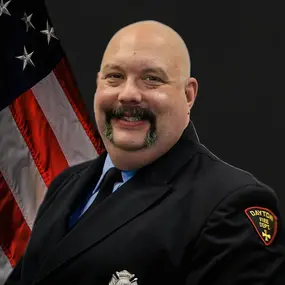
Retired Firefighter/Paramedic | Podcast Host | Author | Conference Founder
Jim Burneka is a recently retired FF/PM with the Dayton Ohio Fire Department. Jim was the inaugural Wellness Coordinator for the Dayton Fire Department and the Health & Safety/Peer Support Coordinator for Dayton Firefighters Local 136. Jim has been involved in the fight against occupational cancer for over 18 years and is a cancer survivor. Jim is also a Technical Committee Member on NFPA 1585 Contamination Control, and NFPA 1580 Standard for Emergency Responder Occupational Health & Wellness. Jim hosts two monthly webcast/podcast and has a monthly column featured on Firefighter Nation. Jim Is also the co-author of the Amazon Best Seller “Overcoming Tuesday: A First Responder’s Tale of Healing and Resiliency”. Jim serves on the PPE Reimagined and the WFI 5th edition committees with the IAFF. Jim lives in “Exotic” Beavercreek Ohio with his wife Lauren, and two boys Jameson, & Logan.
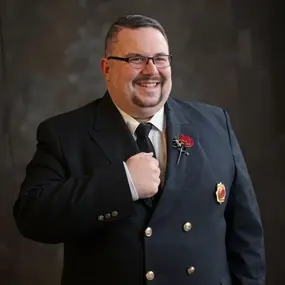
Podcast Host | Conference Founder | Former Fire, Corrections, EMS
Nick has been a servant in public safety for almost his entire adult life. He is a former firefighter, corrections officer, and 911 dispatcher. Currently he is works as Customer Field Support for Fire Safety Services of Ohio. Nick is very active with Brothers Helping Brothers and oversees the day to day operations of the nonprofit.


