


 Apple Podcasts
 Spotify
 YouTube
 RSS Feed
 Leading Through Chaos With Clarity, Confidence, And Control | S5 E40
Josh Bitsko was one of three officers who breached the suspect’s room during the 1 October mass shooting in Las Vegas, the deadliest mass shooting in U.S. history. That moment was not just a test of tactics; it was a critical examination of the emotional core of what it truly means to be a first responder.
Josh Bitsko was one of three officers who breached the suspect’s room during the 1 October mass shooting in Las Vegas, the deadliest mass shooting in U.S. history. That moment was not just a test of tactics; it was a critical examination of the emotional core of what it truly means to be a first responder. We hear from Josh about maintaining calm in high-stress situations like active shooter scenarios. He shares crucial strategies for self-regulating emotions and how slowing down mentally can make all the difference in a crisis. We tackle the concept of "tactical paralysis" and explore effective techniques for keeping a team focused and decisive when the pressure is on.
Available Now! Helping the Helpers: A Clinician’s Guide to First Responder Mental Wellness, a new book that equips you to build a First Responder-Centered Practice that works. Order your copy on Amazon: https://a.co/d/ioAD5oA
We did an explosive breach on the door, stepped out into the hallway, made entry into the room, and as we cleared out, we find the suspect deceased on the ground with a self-inflicted gunshot wound. It was a surreal couple of weeks. It was a surreal night, one that left an impact on not only me, but my team and all the officers involved. We all came down different than we went up. Every critical incident, every hot call that you go on, there's going to be a layer of chaos. If we're not willing to have the conversations around those hard emotions, then how do we mitigate them in the moment when we feel them? If you're not doing therapy from a resilience standpoint, then you're not going to have the best mindset to overcome hard things.
VoiceoverAnd that moment did not just test tactics, it tested the emotional core of what it means to be a first responder. Fear, anxiety, and uncertainty are real, yet they are rarely talked about in law enforcement culture. Officers are trained to suppress these reactions, but those emotions still show up in the moment and long after the incident ends. So if we don't prepare our people for that emotional reality, we are setting them up to struggle when it matters most. And that's from Josh's website. There's a new app built by Firefighters for Firefighters, and it's called Crackle. Download the app now for free as a legacy member and get early access to exclusive content, tools, and updates as they drop. Get the free app at crackle.responderTV.com. Thanks also to our resource partner, Fight Camp, for free shipping and a free month of membership. Go to joinfightcamp.com/slash shop and use the code R R P O N E. We invite you to like and subscribe, YouTube Responder Resilience, Facebook, Responder TV, LinkedIn, Apple Podcasts, Spotify. Go to our website, respondertv.com for past episodes and guest information. We'll be right back to speak with Josh after this. In this family, more of us die by our own hands and by the hazards of the job.
SPEAKER_01In this family, up to a quarter of 911 telecommunicators have symptoms of post-traumatic stress. In this family, our mental health and wellness are in crisis, while responders are quietly suffering.
VoiceoverIn this family, many struggle with job-related stress, burnout, moral injury, sleep disruptions, substance abuse, and relationship problems. In this family, we can help the helpers. With vital information and resources, resilient strategies, and success stories of overcoming the obstacles. In this family, no one is welcome. Welcome to Responder Resilience. We co-host retired Lieutenant David Daschinger, Dr. Stacy Raymond, and Bonnie Rimley, LCSW EMTV. Our guest today is Joshua Bitsko. He's a retired captain from the Las Vegas Metropolitan Police Department with 24 years of law enforcement experience, and he's held various roles, including canine handler, detective sergeant, the commander of key units like Health, Wellness, and Safety Bureau. And as a tactical responder to the 1 October massacre, Josh breached the suspect's door and led the entry team. He also commanded responses to significant incidents such as the mass stabbing on the strip and a shooting at UNLV. His first-hand experiences provide a unique perspective on the stressors of active shooter situations and the pressures of police leadership. He's a sought-after speaker nationwide, including engagements with the Secret Service at the White House, where he addresses post-traumatic stress and trauma processing strategies. He also develops wellness and resilience programs for both public agencies and private sector, equipping law enforcement with the mindset needed for crisis preparedness and aftermath management. Josh, a warm welcome to Respond to Resilience.
SPEAKER_06Thank you for having me. It's an honor to be on the show, and I love what you guys are doing for the first responder community, and the conversations that you guys are having need to be had.
SPEAKER_01Thank you, Josh. It's great to meet you today. I want to thank you for your personal work and efforts to make the world a better place and your the role that you took in the massacre and other very serious situations in Las Vegas. We want to thank you and also to send our thoughts to those killed, their families, the first responders, and all others impacted by the massacre. Thank you for being here.
SPEAKER_06Well, I appreciate that. And I'm glad you mentioned the victims and the other the people that were involved in this. You know, sometimes when we have active shooters, mass shootings of that scale, sometimes it gets lost in the numbers, right? Because we, you know, we as a society, we get lost in statistics and what happened and the numbers, and sometimes we forget that each one of those is, you know, a life lost. And each of those lives lost involve family and you know, friends and people that are affected, and still to this day, you know, for the rest of their lives, that'll be changed from it. So I appreciate you mentioning that and focusing on that as well.
SPEAKER_01You're welcome. And just to segue into what we're going to be talking about today, would you mind giving us a brief description of your role on 1 October and how things unfolded for you that day?
SPEAKER_06Yeah, so for people that don't know, the 1 October shooting in Las Vegas involved a suspect from an elevated position uh outside of a country concert. You had the Route 91 Harvest Festival, which is a three-day outdoor country festival in Las Vegas up until 2017, with 22 to 23,000 people a day in attendance. And on Sunday, October 1st, 2017, subject across the street to the west of the festival grounds at the Mandalay Bay went up to the 32nd floor, broke out two windows, he had an arsenal with him of semi-automatic weapons affixed with bump stocks, which replicate fully automatic fire. And he fired over a thousand rounds into the crowd, killing 58 that night. Uh two have since died from their injuries. 413 people shot or hit with frag, uh, and over 800 injuries from trample, escape, and just a variety of different injuries that happened. So the scale and the magnitude of that event is one that hadn't been seen uh before in the U.S. I was training dogs. Uh, I was a canine uh sergeant at the time, and it was about nine to ten minutes away. So we I grabbed one of my officers because he was still in uniform. The rest were dressed down because we don't train dogs in uniform. I told them to get dressed out and meet us there, but me and the officer in uniform headed there because I heard on the radio the automatic gunfire, knowing what it was. Uh, he and I responded to the Mandalay Bay. Something we're going to talk about during this podcast, I'm sure, is the chaos that that happens on a call like that. So initially, the first five, ten minutes, or I guess five minutes once the shooting started, trying to figure out where even the shooting was coming from. Because remember, you, you know, you have assault rifle rounds raining down into the crowd. You have the sound echoing, you have a microphone that was left open on stage. So uh it's the sound of gunfire coming from speakers at the stage, also. There's just that chaos and confusion. So initially people thought it was coming from the concert grounds, somebody going through the crowd, which is what we assume an active shooter generally is. This was more of a barricaded sniper from an elevated position. And so we responded by the time I got there, we had figured out where it was coming from. So I assembled a team, uh, made our way to the suspect's room. I was met there with one SWAT officer. He had a team of patrol detectives and with him as well, because he was out and about um when this came out. And I called the SWAT commander and let him know what was happening. So he did the all-call. We made to the suspect's room. The suspect had taken steps to barricade our um path to the door. So you have a 350-yard hallway on the 32nd floor. At the end of the hallway were double doors that the suspect was in, a suite, and next to his door was a fire escape stairwell. So we were going to use that stairwell to reach his door to eventually breach it. He taken an L bracket and screwed that shut to keep us. He wanted to funnel us down that hallway. He had shot through the door at this point dozens of times. And so we obviously not wanting to traverse that long hallway where he had a clear shot for all 350 yards of it. We ended up taking a small pry bar because the swan officer I had was a breacher. So we were able to defeat the small L bracket that he had. Uh and it was we did that to look into the hallway. To our left is the double doors of the suite facing the rest of the hallway, which he had shot through dozens of times. Uh, that was suite 30 32 135 directly across from us was 32-134, which is the secondary room that he had also rented out. And in front of that door was a room service cart, and there were wires coming from the room service cart going under the door. So, you know, for us with the level of shooting that was happening, uh, what we were hearing on the radio, which were ghost calls, when you have 22,000 people at an event when rounds start flying, they all evacuate and they go to surrounding businesses reporting active shooter, many of them bleeding, hurt. So all of those businesses call in active shooters on their property. So what I'm hearing on the radio is active shooters at dozens of places in Las Vegas, not being mentally prepared for that because I'd never trained for that specific thing, thinking now Las Vegas is under a coordinated attack. That's also complemented by the room service car with wires going to it. So we all believe that to be an explosive device set in front of the door. Running through a quick mental checklist, you know, we can I can run back down and grab my bomb dog. I had a bomb dog and a patrol dog at the time. Uh run down and grab my bomb dog. That would take 30 minutes with the chaos. Now the suspect did stop shooting, but you know, the belief we couldn't get medical forward until we cleared this room out was, you know, an obstacle to getting the aid to the people that we needed to get aid to. So that I just we didn't have the time to go get a bomb dog, um, call the bomb squat, that takes a long time, and whether they'd operate in a hallway where a suspect had shot through that many times. So our plan basically at that point was we're gonna hang an explosive breach on the suspect's door to breach it and hope that this explosive doesn't go off in this cart. Um and if it did, then the next team will have a pathway, basically was our plan. I mean, at that point, it's what we had, it's what we saw, it's what we could um, it's what we could do in the moment. And so we stepped down the hallway and hung the breach. And as we did that, I looked on the room service cart and there was uh cameras taped to propellate facing down the hallway and then going into his room so he could see our approach. So I reached down and flipped the camera down as I covered the secondary or flipped the camera around so it wasn't on us as we hung the breach. Um as I covered the secondary door. And again, you know, you talk about like the emotions involved and you know some of the trauma. It's like when you do that, we all really thought that we were just gonna it was gonna explode and we were not gonna make it, but we didn't see any other options in that moment. Step back into the little um alcove and obviously didn't explode. Um, we did an explosive breach on the door, stepped out into the hallway, made entry into the room, and as we clear it out, we find the suspect deceased on the ground with a self-inflicted gunshot wound. We did a secondary explosive breach from that room into the connecting room that he had uh and cleared that out. Now there's guns all over the floor. We can see screens where he was watching. He had the ability to watch our approach. Window broken out. You know, it was a very surreal experience, one that, you know, in the moment you're just trying to get the job done. Doesn't mean you don't have these intense emotions that you're even feeling in the moment, something we don't want to talk about in policing, right? And kind of go through the room, pull his ID out, take pictures, send it down to the command post that had just been set up. And we, you know, I grabbed my team and we went down to go to the next one because of all the calls that we were getting. By the time we get down to the bottom of the Mandalay Bay to, you know, move to the next call, we realized that what those were, those were golf calls. And I spent the next 12 hours in the command post sending strike teams to different properties on the strip because at the end of the day, Las Vegas took a black eye. You know, we we pride ourselves on giving people a safe place to come and pay uh play and you know have fun. And that that night changed that. So we had to, you know, let people know that we were there and we're there to protect them. And honestly, for the next two weeks, 12 hour shifts, that's what I was doing. That every every abandoned bag on the strip was an explosive device because again, it's the community was was shocked by what happened. And it was it was a surreal couple of weeks. It was a surreal night, one that left an impact on not only me, but my team and all the officers involved. I mean, we had over a thousand officers respond. You know, there's overall uh you know a dozen officers on the 32nd floor that ended up making entry, and we all came down different than we went up.
VoiceoverBoxing has the power to change lives, especially for first responders. Fight Camp embraces your journey, whether you're stepping into the ring for the first time, returning after a break, or aiming to elevate your fitness. Harness the strength of boxing to release stress, build resilience, and connect with a supportive community one punch at a time. For free shipping and a free month of membership, go to joinfightcamp.com slash shop and use the code RRP1. That's R-R-P-O-N-E. Thank you for sharing that uh brief overview of it. Um I've had the opportunity to hear you unpack this event in longer form uh in your presentation and uh kind of like a training. But what's great about it is um that you are explaining the tactical side of this, but then also the emotional and um the resilience kind of post-traumatic growth piece of it. I'd love to touch on that um during our conversation today. And you you made a reference to it, uh to the chaos and also to the emotional piece of that. Can you speak to like a high stress incident like this? Um, active shooter, what what practices can people use to kind of regulate or self-regulate these emotional responses that are only natural to have?
SPEAKER_06Yeah, well, there's a couple things that go into it. First, for your listeners, any first responder, and it's not specific to law enforcement, even though that's my background, is every critical incident, every hot call that you go on, there's going to be a layer of chaos. So it doesn't have to be the deadliest mass shooting in Las Vegas to feel these emotions. It doesn't have to be something of that magnitude to not only experience the chaos, but also to learn or have the ability to regulate your emotions in those moments, right? And obviously in my four-hour class, I get into specific tactics on how to do that, like tools on in the moment, how can you regulate fear, how can you mitigate the physiological effects, uh, how can you do that with anxiety or you know, everybody knows fight or flight, but there's fight or flight or freeze. Uh in the freeze we we coined as tactical paralysis, that you know, that feeling that you want to freeze and because you're stuck in that mental loop. And so I I always make sure that I qualify it to say you don't it doesn't have to be something of this magnitude to feel any of those emotions, um, and to have the ability to regulate them in the moment. And so there, and there was a lot going on. There was fear, there was that anxiety for me. I was a leader, I was a sergeant at the time, and you know, I didn't want to fail. And I didn't want to fail and get my people killed, especially for no reason or making the wrong call. Like, and I know it's a hard thing to say or hard thing to talk about, is I knew we were going into danger. I knew what I was asking my teammates to do. Um, but at the same time, you know, I didn't want to be the one to say, make the wrong call and get people killed. Let's say the wrong call was to pass the cart. Um, in that moment, it was all I could see is the only option. But there's the thought that am I gonna go down in history getting five, six, seven cops killed? And then why didn't they wait for a bomb spot? Why didn't they wait for the bomb dog? You know, those those are questions that are very real and going through our head, and ones we don't talk about. So the first step is getting over the stigma. Now, you're the responder resilience podcast, and stigma, I'm sure, comes up a lot when it comes to getting mental health help. Um, I think we're finally having the right conversations in law enforcement and headed in the right direction where when it comes to mental health. I think that you know, not just first responders, but anybody uh doesn't necessarily want to go to therapy. It's hard, it's scary. And so I don't like play placing too much weight on the stigma of that because sometimes I think we create our own obstacles with that. I think that you know, my mom, I my story, obviously I had these critical incidents I was involved in. I also lost a brother to suicide, lost a father to cancer, went through a divorce. And I experienced all those, was very resistant to getting help until I needed to, and we can talk about that later. But my mom, who lost a husband and a son, who's a school teacher, and I can't get her to go to therapy. So, you know, that I think it's it's hard for everybody to make that leap and to make that step. There is, however, a stigma when it comes to talking about being afraid or talking about anxiety. We want to as cops, we're we we have this thought that we should all be robots in those moments. And if we're not, then we're failing. And if we're not willing to have the conversations around those hard emotions, then how do we mitigate them in the moment when we feel them? Or are we just gonna feel like maybe I'm a failure and I shouldn't be a cop or a firefighter or a first responder because I feel fear or I feel anxiety, maybe I'm not cut out for this job. But those are all natural emotions that we have. So the first step is letting go of the shame that surrounds having those emotions and learning that you know, those are natural emotions that are meant for survival, that we're, you know, evolved or whatever your belief system is, we're created with, we're we evolved to have. And once we can let that go, then we can begin begin to navigate through it in the moment. So the first step of doing those hard things is you know, letting go of the shame surrounding it. And then, okay, now I can start mitigating the physiological effects. My heart rate is high, I can do some breath work, and this isn't a breath work class that you can. I talk about it in my my longer training, but you can go to workshops for three days on breath work, but you know, controlling your breathing, um, doing some crisis rehearsal when you're in room to prepare your mind for what you're gonna see. There's a variety of things that you could do in those moments that either before or when it's happening to prepare yourself. Um, and I talk about it in all the classes I need to teach, be it my online class or in person, like training, building that foundation, knowing what you need to do. So in the moment, it's not taking up that mental space of, you know, I know what I need to do on an active shooter. We've been training it since Columbine. Uh so how then do I overcome the obstacles placed in front of me and keep a clear mind and reduce that fog of war by mitigating the physiological effects of those emotions?
SPEAKER_01I think you're so right about the points you just made. It's particularly hard as a trauma therapist to say, especially to Law enforcement. You know, please accept this fear is normal. It's how your brain is supposed to be working. And once we can get people to understand that, it absolutely helps them embrace it.
VoiceoverFrom recruit to retiree, we're wired for readiness. Always ready to respond. The grind can be relentless. Every season first responder knows eventually the weight of horror and heartbreak becomes heavier than we expected. The weight is not just carried by first responders, our loved ones who step up, hold down the fort, and fill the gaps. They are the underappreciated support system, keeping it all together through the chaos. And the reality, those who stand by the first responder are living their own ride-along. The traumas their first responder absorbs reverberate through their relationships, sometimes leaving partners feeling reactive or even resentful, struggling under the weight of what their loved one brings home. First responders don't get the clock out, so finding a way to decompress isn't just a luxury, it's a necessity. That's why First Responder Project No Cost Retreats are crucial. They are tailored specifically for you, the public safety professional, and your spouse, partner, family member, or close friend. We provide you and your support person with a chance to reset, regroup, and recalibrate, and finally reclaim the quality of life you deserve. Nestled in the heart of North Florida, this 520-acre camp isn't just a nature-based getaway. It's a battlefield reset. An escape from the tempo of work and home to soak in the calm of nature. A chance to reclaim connection and learn vital skills, all while enjoying great food, private accommodations, and camaraderie around nightly bonfires. Recalibrate and restore with team-building activities, decompression strategies, expert instruction, and all the materials and resources you need. This isn't just a retreat, it's a lifeline to keep you mentally strong at work and emotionally present at home. Take a stand for your well-being and the connections that matter most. Spaces are limited. Sign up now for your no-cost First Responder Project retreat. Your resiliency strengthens here. Learn more and register at firstresponderproject.org.
SPEAKER_01I wanted to ask you, do you think that we are approaching a better understanding in the law enforcement population and other first responder populations as to embracing that fear? And when we're teaching our newbies and our probies, are we teaching them that it's okay to have that fear in the moment? But that's why we train so hard. That's why we do all of the drilling and training that we do so that when the moment comes, our brain knows what to do and we can overcome that fear to the extent that we need to.
SPEAKER_06As far as accepting fear, I can tell you that it there's still a long way that we need to come. And culture creates reality, right? So we live in a world of television and movies of stoic cops that laugh in the face of danger, slowly walk away from explosions, like those things. And you know, it's funny to say, oh, well, that's you know, I became a cop because I saw diehard or lethal weapon, but culture does create reality. So the community has an expectation of police officers. We have an expectation of ourselves. And when we don't meet that expectation, when we don't meet, you know, what is our self-identity based on our values and our upbringing and our culture and what we've seen, there's that battle internally of, oh my gosh, I'm feeling fear and I shouldn't be in that moment. And you know, the reality is, you know, the FBI says there's statistically on average 35 active shooters. And when I say active shooter, I don't mean mass shootings. It can get separated when you when you're looking at the media. Mass shooting can be three or any any three or more people shot, which depending on what what community you're serving, that could be happening multiple times in a weekend, just parties and stuff like that where that happens. I'm talking active shooter where somebody's randomly going through a crowd and randomly killing people until police respond and stop it. And so that's very rare. If you have, you know, on average, 1.3 million law enforcement officers in the country at any given time and 35 a year, the math on that is there's very few opportunities where you're going to have to respond to that and make that decision. And so sometimes you don't know until you're in it. And if you're not taking those steps to before that on the thousands of DV calls and other critical incidents you're involved in to prepare yourself, then there's going to be that conflict internally of who I see myself to be and who I am in this moment. And if we're not being able to get past it, it's going to have a much more profound impact on us in those moments. And, you know, all based on our experience and our training and what we've what we've overcome in our life, regardless of policing or military history or anything else like that. It's those are all things that we can call back on. But so I think we're finally starting to have those conversations. I think we have a long way to go as an industry to normalize feeling those things because there's a lot of shame associated with fear. And you know, when you have shame associated with something, that's one of the hardest things to break through. I know you know as a you know a trauma therapist that shame can drive so many other decisions. And so the first step is letting go of that shame. And when we finally are continuing to have those conversations and talking about that is when we will evolve as an industry and be able to move past, yes, you're scared, but you you're gonna be able to do it anyway because of these tools that you have.
SPEAKER_01I think the point you just made to our listeners and viewers about practicing this on your day-to-day calls, not just having a mindset of I only use these tools to calm down when it's the big one, but the thought of using it on every call. You know, how am I preparing myself mentally? That is such a good tangible thing that you've just given everybody. And I think anybody listening or viewing should really think about their current practices. What do they do? What do they not do? And how can they start practicing these things daily so that it becomes routine and habit?
SPEAKER_06Well, and I'll even take it beyond on calls in life. Now, fear isn't just mortal fear, right? It could even be having a hard conversation with your spouse. And if if we can avoid those things, or we can go adverse and do the hard thing and have that hard conversation, knowing that it's going to be a hard conversation, but you can have those and face those fears in everyday life. And so that's why I even uh in a book that I I wrote that's getting released soon, I talk about that just for not just first responders, but normal citizens is learning how to do those hard things and taking everyday opportunities to do that will pay off when you have the big event. Because the big event, you know, the big we're successful in the big events because of the grind that nobody else sees. And all the times that we've trained and prepared ourselves and built that confidence and been in therapy. And we can talk about, you know, therapy with a resilience mindset compared to therapy with a wellness mindset and the difference between those. But if we've done all those hard things in our life before we have the big event, we're gonna be better situated to handle it uh from a more practical perspective.
VoiceoverYeah, it brings to mind this phrase that I keep repeating them all over and over, and that's um how you do anything is how you do everything. That um, you know, how we are the small things are also gonna transform into how we do the bigger things, whether that's calls or or life events. On that note, since you brought up the book, let's have you kind of talk about that. It's exciting you have a new book coming out October 1st. What's it called? What's it about, and what do you want people to know about it?
SPEAKER_06So the book I wrote called Courage to Live. It's releasing on the anniversary date of um the shooting and the the one October shooting. And I I wanted to take a little different approach to these types of books as there's so many out there when you want to coin them self-help books or you know, just philosophy. So in this book, I I start off, I talk about the investigation, what happened that night into the 1 October. I have some unreleased photos that are going to be in the book, and I tell my story in depth, a little obviously more than you know, this, what we've been able to talk about today. But then I go into how to regulate the emotions that you have with some of the frameworks that we've developed. And, you know, I talk about chaos, I talk about fear, I give other, you know, other stories and other practical or other situations that I've been involved in, with the ultimate goal of understanding after all of these traumatic events, you still have to have that courage to live. And, you know, we have a tendency as cops and as men to shove down all these hard emotions, which is scary because shoving all those hard emotions works when it comes to avoiding the pain. But what it also does is it can stop us from feeling joy, it can stop us from you know living a more full life and doing the things that we want to do in our life. And that's really the the coin is the phrase when we're talking about courage is yes, there's courage to do the hard things, there's courage to um make sacrifices, but there's also courage in living life after. So I'm super excited about it. Developed a podcast that also called The Courage to Live, it goes with the book, and we talk about a lot of the same things. But it's that you talk about scary, it's vulnerable putting yourself out there. I like to to write a book and have you know your stories and your takes on things, and you you sit there when you're writing it. It's like, is anybody even going to want to read this? So in my own journey with now, you know, I've done some of the hard things in my career and I've been able to be successful, albeit with making mistakes, because any critical incident comes along with those. Now, this next phase of my life, I retired about a year and a half ago and I get to go around and teach and be vulnerable in front of people, but to put it all out on paper and and publish it is it's scary.
VoiceoverYeah, it's a permitted permanent medium, right? Like it's it's out there, it's not going away. It's um it's not like a podcast that you can take off YouTube. It's like it's out there and it's it's like etched in stone, so to speak.
SPEAKER_06But yeah, so I'm it's I'm very excited about it. I'm also a little scared about it coming out um because of, like you said, you know, you know, I'm not writing a fiction book about dragons. It's it's it's my story, it's about my own um take on things and you know, some of the research that I've done. And I I really with the goal, it's the same thing as my class to have an impact not only on the first responder community, but on just people that want to do those hard things in their life and how to do it.
SPEAKER_01Well, it's so poignant that you chose to have the book come out on one October as well. So that that is not lost on us that you planned it that way.
VoiceoverAll units, stand by for a confirmed structure fire with important person's trade. In a world where first responders save lives, this book could help save theirs by preparing you to answer when they call for help. Based on over 200 conversations and the trusted team behind the Responder Resilience podcast, helping the helpers gives you the tools to understand their world, speak their language, and earn their trust. This work is challenging, but deeply needed and profoundly rewarding. Their stories don't start with trauma, but too often they end there. Infused with real-life experiences, this guide reveals the human behind the badge and equips you to build a first-responder-centered practice that works, from understanding responder culture to establishing a foundation of wellness and chapters across the spectrum of first-responder professions. You'll gain insight into the hidden struggles that shape their reality and the steps you can take to help them heal. When trust is shattered, the stakes are high. This book helps you build it before it's too late. Are you ready to make a difference? Be the resource they can count on. Order your copy of Helping the Helpers Today.
SPEAKER_01I wanted to ask you, you know, we're talking about what are some strategies and we're referring to it, but wondering if you could give us maybe four or five of your top ones that you teach people or that you've seen work with some of the officers that you know, just so that when people come off the podcast today, they might have a few things they can go and try.
SPEAKER_06As far as strategies to like overcome.
SPEAKER_01To regulate, to self-regulate and to calm down in that moment when your amygdala is on fire and the cortisol's running and the adrenaline's going.
SPEAKER_06Well, yeah, it's it's a holistic approach, right? It's if you're if you're looking for a specific tool when you're feeling that in the moment and you've never addressed the difficult things that that could happen, then unfortunately you're gonna be behind the eight ball because you know what a big part of what we do as cops is train, right? We train on the range several times a year, we train defensive tactics several times a year. But when it comes to our emotional state, we don't. And we approach our mental health uh from a fixing a problem point of view. Like, oh, I need therapy now, so I'm going to go. Even though we know in this profession we're going to be see and experience trauma, we're going to have to do hard things and build that resilience. So with that in mind, you know, the first strategy I would say to all that all your all of your listeners is if you're not doing therapy from a resilience standpoint, then you're not going to have the best mindset to overcome hard things. And like you don't drive to a fight call and pull over and crank out 10 push-ups to get stronger. But that's how we approach mental health is oh, I need this now, so I'm gonna go sit down with a therapist. No, we our physical health, we stay in shape, we lift weights. I've done jujitsu for years, I've done all these things for my body, so I can handle this job, but I don't do stuff for my brain until I'm maybe having some substance addiction issues, I'm drinking too much, my relationships are struggling. So yeah, are there specific tools that I teach? Absolutely. But if you go sit down with a professional, and the most you're gonna do is what, lose an hour a month, right? But you go sit down with a professional, then you can build specific tools made for you with that professional and then come out stronger and have those tools when you need them. So just like everything on our belts are taser, magazines, handcuffs, gun, uh, all of those things are vest, our mindset is just as important of a tool. And doing that with a professional is the first step to being able to be successful. And if you go and you sit down with a uh a professional and it doesn't work and it doesn't click, that's okay too. Because like any relationship, you have to find the right one. And no therapist worth their salt is going to, if you say, hey, you know what, this just isn't working for me, is going to be offended by that. Because we all understand that that relationship is really important. And I went through a couple before I found one that works for me. Uh, I unfortunately didn't take that mindset. I was struggling with, you know, drinking too much and relationships struggling, and then I'm like, oh, I finally need to go to therapy because of all the things that I've been through. It's 10 times harder because you know, you take you take 10 years to walk into a forest, two sessions isn't going to get you out of it. And so, but above everything else, I can give you tools to regulate your breathing, whether it's box breathing or phrenic breathing, um, crisis rehearsal, training, specific types of training, and all of that. But those things are generalized tools that yes, will work for everybody to a point, but there's not the depth there of learning about yourself through the therapeutic process, building tools that work for you based on your history, childhood, mental makeup, all of those things to prepare you for the hard things that we have to do. So, yes, my class, I go through, I have an Oaks frames framework for mental regulation. So, you know, I address the mind. I have different tactics to bring down your heart rate through it, be it breathing, crisis rehearsal, and that those things are great. But sometimes those are more of like the first aid when what you really need is a comprehensive mental health plan for yourself, especially if you want to do what we do and you do it well, and you want to do it well, then that you have to build that right mindset. And I I I don't really like the whole, you know, warrior mindset. You know, you have to have that warrior mindset. I agree, but what do you do when that fails? Like what are specific tools and tactics that you have when you're feeling scared, when you're feeling anxiety, when you want to freeze? Uh and a lot of that comes before that moment. And then there's things you can do to make it better, like I said, through breathing and controlling that heart rate. The heart controls so much and how you breathe.
SPEAKER_01So well, your response was phenomenal and very thought-provoking. I'm even finding myself sitting here thinking about my EMS life and um remembering a call I was on as a ranking officer with an untimely cardiac arrest, and my body wanted to run, you know, like you want to run in the vehicle, get there as soon as possible. But I'll be honest with you, I had a moment where I forced myself to stand there for a minute and ground. Like I felt my feet in the ground. Um, I did do some breathing, and I got my brain on and said, you know, I'm gonna do my best here. I know it's gonna be bad, you know. Um, we try to come up with the visual right when we're on the way or when we're prepping ourselves. Um, but truthfully, I think doing that, and it's something I've stumbled on after decades. I think that it really helped me go in with a better mindset. So I'm just sitting here thinking about everything you've said, and it does work. You just have to find what works for you. And sometimes people they don't learn it. But I hope that this conversation that we're having challenges people to at least think about opening that door to the thoughts.
SPEAKER_06Well, yeah, one of the things that I do when I'm teaching my class is I provide their um patches that has our our oaks framework, which the oak stands for own it, acknowledge and release, keep going and self-regulation. And because there are studies that show, like you said, I'm grounding myself or a physical reminder of touching that patch. If you're you know put that patch somewhere on on your vest, on your under vest, something you know, where it may not be visible, but is a reminder that to kind of ground you that you're still there's a space between what happens and how you feel, which you don't have very little control, very much control over how you feel, and how you react to it. And that space in between is that opportunity to regulate, like you. And you said you grounded. And or you know, what I teach is touching this patch to remind you that, you know, you these are the steps that you can regulate through those emotions is owning, releasing the shame, uh, keep going, which I kind of break down into if we always look at the big thing, like I have to go stop this shooter, that can be overwhelming, rather than break it up into little steps to keep going. Well, I have to get on the radio and say this. I have to grab my gun out, we have to build a team, we have to move to this door, we have to open the door, we have to move through, you know, this area, identify the shooter, like all of these different steps are less overwhelming. And you you again have a choice um on how you how you act on any any triggering event. It can be again an argument with your spouse, it can be a um you know a confrontational vehicle stop all the way up to something like an active shooter is you still have power over your your actions. Don't have power over how something makes you feel. That's a little more complicated, but that space in between those two things, and sometimes there's not a lot of space. You go up to a car stop, guy pulls a gun, you have to react. Sometimes there's a lot of space. You're standing outside of a door, there's a cart that you think's a bomb, and you have some minutes to think about what you're gonna do. And in those moments is how you regulate those emotions.
VoiceoverYes. So thank you for sharing that. Um, really what's so empowering is knowing that we have a choice, right? It's how we choose to respond mentally or internally. Um, that's really some of sometimes the only control we have over any situation. So I appreciate your uh your insights on that. Hey, firefighters, let's take a moment to talk about something important. There's a new app built by firefighters for firefighters, and it's not just another wellness tracker or generic resource hub. It's called Crackle. You've probably seen the magazine, but this is the next evolution. The app is about one thing helping firefighters not fail. Not just on the job, but in life, in your health, your relationships, your mindset, and your longevity. That's why Crackle is designed to meet firefighters exactly where they are, with resources that make sense, are easy to use, and actually respect your time. You can download the app now for free as a legacy member. That means you get early access to exclusive content tools and updates as they drop. Use the QR code on the screen to download the Crackle app, or you can download it from the App Store or Google Play and stay in the fight. Not just at work, but at home and in your own head too. Because your best days shouldn't be behind you, they should be ahead of you. Love to hear you talk about your new podcast. That's exciting too. So tell us a little bit about that, where people can find it.
SPEAKER_06So the new podcast, it's the same title of the book. It's called The Courage to Live, and we release new episodes every Wednesday. You can get it wherever you get your podcast, Spotify, Apple, uh, it's on YouTube, and it's with my wife and I. Now, she was a law enforcement professional on the civilian side for 14 years. And, you know, it's through we talk about stories, there's some humor. You know, I talk about, let's say, the one October shooting, we have other episodes coming up from some of the other critical incidents I've been involved in, some current events and in this active shooter world and you know, emotional regulation, how to live. She does a great job keeping me grounded. And because she has that law enforcement experience as well to ask thought-provoking questions, whereas sometimes, you know, I get in this, I'm doing a tactical debrief, and she's more like, okay, well, how did you feel during that moment? Um so you know, I I you can I I I have a website, it's Bitscoconsulting.com, and then I have, you know, LinkedIn and Instagram and all of those things, which I've never really had, where I I post updates. So you can also get updates about the book and all of that on there. So if you find me on LinkedIn, it's just Joshua Bitsco, Instagram. Uh I even made a TikTok, which I don't even know how I feel about that. All I do is post clips from the podcast, but um, but you know, getting out there to different generations of cops because we have a workforce now of very I was 20, well, I was 18 when I hired on as a cadet and 21 as a cop, and I was a different human being than I am now. So then when I was a supervisor, I was a you know, sergeant, lieutenant, captain, captain over the Las Vegas Strip. And I've I had to learn how to interact with different generations of cops. And so now even in this business, is yeah, I may be retired, but I'm still training and teaching cops and interacting with them, and um, so trying to maximize that impact through that. And I am super excited about having the podcast. And with everything I we do and and our business, and whether it's teaching, whether it's you know, the presentations or social media website, my online class, which you can find through my website, it's all about I also want to have quality there. So we have you know high quality video production, you know, my online class has body cameras that I don't even show in my real presentation, and it it really is about you know having uh people feeling that okay, there there is quality here, there is impact, and I can take something away from this training because I've taught cops for over two decades at this point, and they can't be some of the most difficult students. I was one of them. So, you know, the goal of what I do is to be able to connect.
VoiceoverGreat. Yeah, I can speak from experience having gone through your class, um, the four-hour class, that the quality is uh really plays a big role as you do in that presentation. And I think you could have heard a pin drop during the presentation. In some ways, I think you transported everyone to the one October incident, um, and and you really covered it spatially from uh many different angles. So it's it's a multimedia thing. You feel totally immersed in in the presentation. So I want to, you know, give you kudos for for the work you're doing, the quality you're putting out on so many different levels and the impact it's gonna have. Uh keep doing it. It's it's very admirable. Thank you. I do appreciate that.
SPEAKER_01And welcome to the podcast club.
SPEAKER_06It's a lot of work, I'll tell you. It's not just sitting down and recording something, that's for sure. That's the easy part.
VoiceoverYeah.
SPEAKER_01We know.
VoiceoverWell, Josh Bitco, thank you so much for spending this time with us and sharing all this uh incredible information and insights. And uh, we wish you nothing but incredible fortune uh keeping moving forward with all your projects and spreading this uh impactful trainings and information out there with our brothers and sisters. So thank you for being part of this.
SPEAKER_06Well, thank you for having me on and having the discussion. Your guys' work is important. Like I said, focusing on resilience and building the strength to do this job rather than wellness, which you think wellness in a room full of first responders, you met now with eye rolls because every every company, every department, they talk about wellness, they try to sell apps and programs without actually having substance behind it. So what you guys are doing is important, and uh I do appreciate it and I see it as well.
SPEAKER_01Thank you, Josh.
VoiceoverRemember to like and subscribe. YouTube respond resilience, Facebook, responder TV, more LinkedIn, Apple Podcasts, Spotify. Please check out our website, respondertv.com for past episodes and guest information. Until the next time, stay safe. Be kind to yourself. Take care.
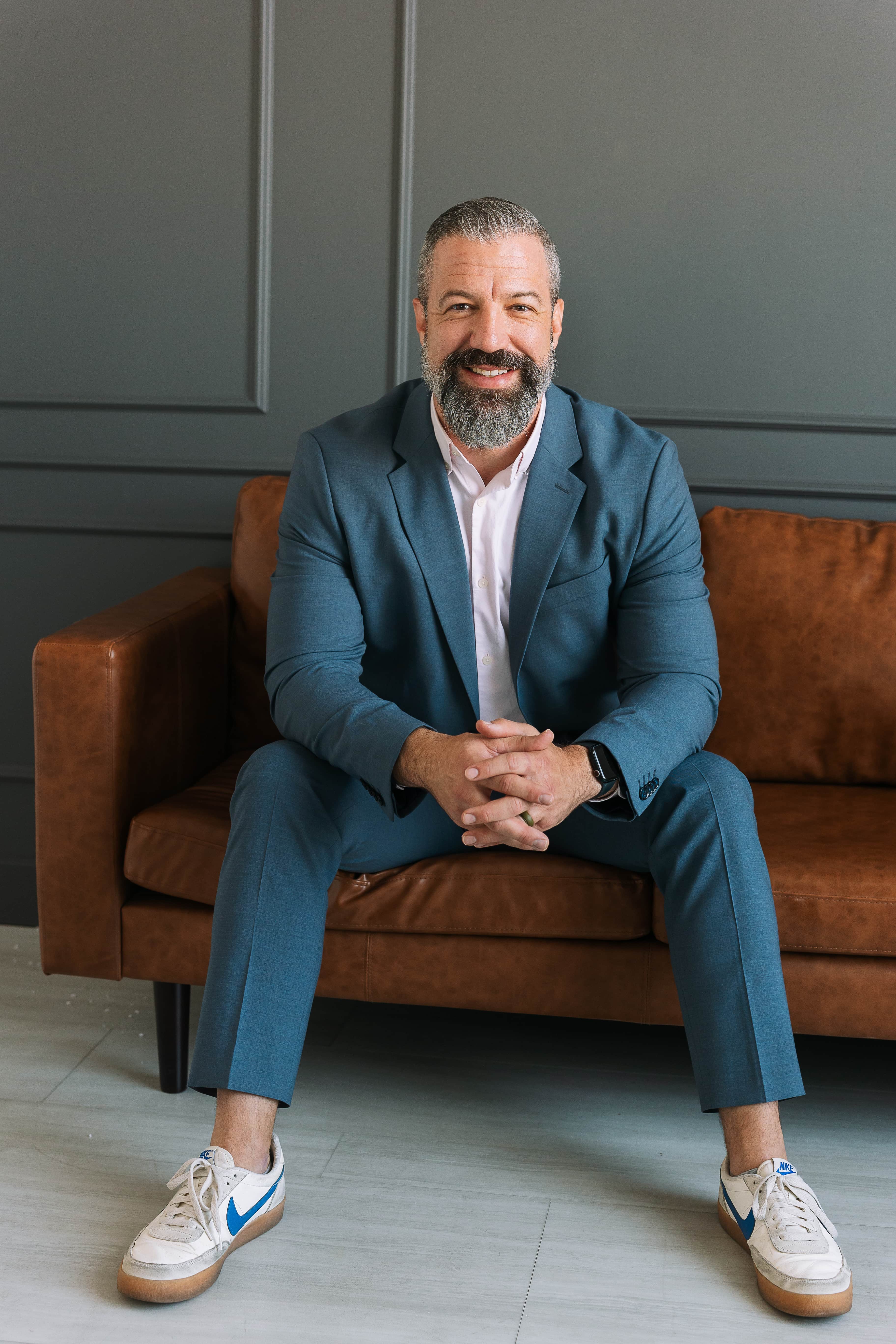
Retired Police Captain | Author | Speaker
Joshua Bitsko is a retired Police Captain from the Las Vegas Metropolitan Police Department with over two decades of tactical and leadership experience. He was one of three officers who breached the suspect’s door during the 1 October Las Vegas mass shooting and later served as the Incident Commander on the Las Vegas Strip. As founder of Bitsko Consulting, he now trains first responders across the country on emotional resilience, leadership under stress, and decision-making during critical incidents. Josh blends real-world experience with research-based methods to help others lead with clarity when the stakes are highest.


