Apple Podcasts
 Spotify
 YouTube
 RSS Feed
 Embracing Life Beyond The Badge with Guest Erin Nugent | S5 E47
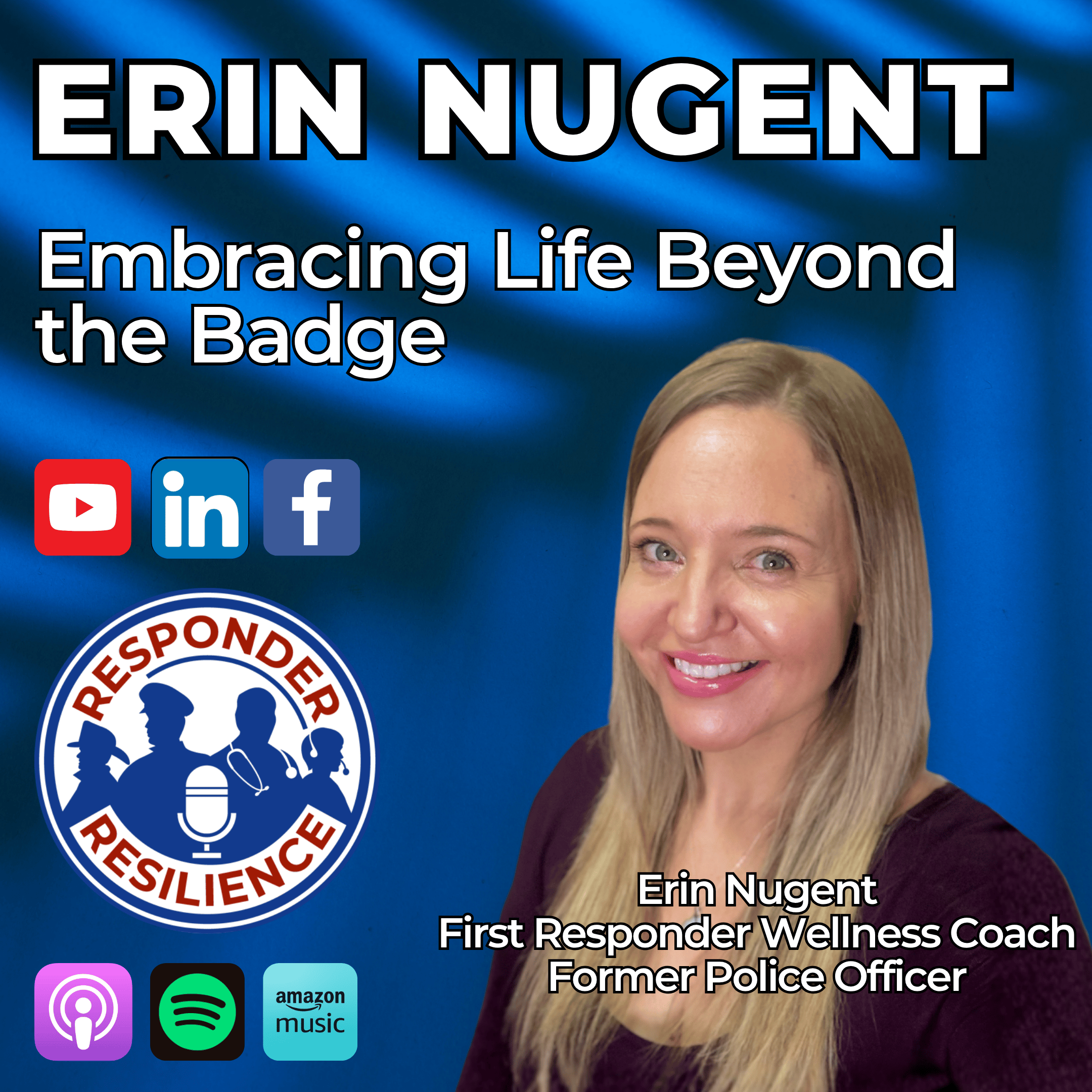
We sit down with Erin Nugent, a former police officer turned First Responder Wellness Coach. Erin shares her journey from frontline service to civilian life, discussing the personal challenges she faced and the strategies that have worked for her. She aims to destigmatize mental health through open conversations on her radio show.
In this episode of Responder Resilience, we sit down with Erin Nugent, a former police officer turned First Responder Wellness Coach. Erin shares her journey from frontline service to civilian life, discussing the personal challenges she faced and the strategies that have worked for her. She aims to destigmatize mental health through open conversations on her radio show.
We also explore Erin’s experiences as a firefighter’s spouse and how that relationship shapes her support approach during the ups and downs of active duty. Learn how she manages the reentry phase when her partner returns from a shift and discover practical tips for discussing mental health with loved ones.
We also discuss the differences between coaching, peer support, and clinical therapy, highlighting how these roles intersect. Join us for a heartfelt discussion that champions healing and resilience within the first responder community.
Contact Erin Nugent:
Website: https://www.erinjanecoaching.com/
Radio: https://www.thethinlinerockstation.com/
Podcast:
https://podcasts.apple.com/us/podcast/i-will-hold-space-for-your-darkness-a-first/id1709535359
Facebook: https://www.facebook.com/erinjanecoaching
Instagram: https://www.instagram.com/erinjanecoaching
LinkedIn:https://www.linkedin.com/in/erin-nugent-00a19a223/
Contact Responder Resilience:
Phone: +1 844-344-6655
Email: info@respondertv.com
Our website with past episodes and more: https://www.respondertv.com/
YouTube: https://www.youtube.com/c/ResponderResilience
LinkedIn: https://www.linkedin.com/company/responder-resilience-podcast/
Instagram: https://www.instagram.com/responder.tv/
Facebook: https://www.facebook.com/responderTV/
I think when you love that person, no matter who it is in your life, I think that that love makes you push through. Even if it's difficult, even if it's challenging, even if it doesn't go well, it means that there is growth, there is hope, there is coping skill strategies, there is life potentially after those struggles that you may be experiencing, having those conversations in those moments that allow for you to be able to show up for them in the moments when they actually do need that support and you know how to go about it. I was carrying the weight of something incredibly heavy that I didn't actually know I was carrying. And then as soon as I had sort of gone through that process, I was like, wow.
SPEAKER_08Welcome to Responder Resilience, along with my co-host Bonnie Rimley, LCSW EMT. I'm David Dashinger. Today we're joined by Erin Nugent. She's a former police officer, turned first responder wellness coach, and she's from Australia. Erin's journey through law enforcement and as a firefighter spouse has equipped her with unique insights into the mental health struggles first responders face. So we're going to explore the challenges of transitioning to civilian life, the proactive strategies that Erin advocates for, and her mission to destigmatize mental health through powerful conversations on her radio show. So get ready for an impactful discussion that challenges perceptions and promotes healing in the first responder community.
SPEAKER_09Thanks to our resource partner, First Responder Project, whose no-cost First Responder retreats offer you a chance to reclaim connection and learn vital skills. This isn't just a retreat, it's a lifeline to keep you mentally strong at work and emotionally present at home. Take a stand for your well-being and the connections that matter most. Sign up now for your FRP retreat. Learn more and register at Firstresponder Project.org.
SPEAKER_01There's a new app built by Firefighters for Firefighters, and it's called Crackle. Download the app now for free as a legacy member and get early access to exclusive content, tools, and updates as they drop. Get the free app at crackle.responderTV.com.
SPEAKER_09Thanks also to our resource partner, Fight Camp. For free shipping and a free month of membership. Go to joinfightcamp.com slash shop and use the code R R P O N E.
SPEAKER_08Remember to like and subscribe YouTube Responder Resilience, Facebook, Responder TV, LinkedIn, Apple Podcasts, Spotify. Go to our website, respondertv.com. We have past episodes there and guest information. We'll be right back to speak with Aaron right after this.
SPEAKER_00In this family, more of us die by our own hands than by the hazards of the job.
SPEAKER_02In this family, up to a quarter of 911 telecommunicators have symptoms of post-traumatic stress. In this family, our mental health and wellness are in crisis. Our responders are quietly suffering.
SPEAKER_03In this family, many trouble with chocolate stress.
SPEAKER_00Burnout.
SPEAKER_07Welcome to Responder Resilience. We co-host retired Lieutenant David Dashinger, Dr. Stacey Raymond, and Body Republic, LCSW EFTV.
SPEAKER_08So we're excited to welcome Erin Nugent. She's a former Australian police officer and detective with extensive experience in crisis intervention, having served as a crisis counselor for a suicide prevention organization. As a certified life coach, she specializes in wellness for first responders, and she's the host of the podcast, I Will Hold Space for Your Darkness, where she creates a supportive platform for open discussions on mental health and resilience. Additionally, she hosts a radio show, Holding Space with Erin Jane on the Thin Line Rock Station. Erin, welcome to Responder Resilience.
SPEAKER_06Thank you so much for having me, guys. This is an absolute pleasure.
SPEAKER_03Erin, we're excited because David and I got to meet you a little over a month ago, I would say, at the Connecticut Fire EMS Expo.
SPEAKER_06Yeah, wish I did.
SPEAKER_03It was really great to meet you in person because we've been following your work all along. Um, and it was really a pleasure to meet you and to have the chemistry that we felt we formed right away because we're all doing the same things and you're doing it um in such a positive way that I think that's one of the draws that we have to use. So thank you for sharing your time with us today.
SPEAKER_05Oh, thank you for those incredibly kind words, Bonnie. No, it's um it was it was amazing to yeah, bump into you guys and and I've definitely sort of felt the felt the same. It was lovely to stop and and have a chat. And uh you guys kindly gave me a copy of your amazing book, which I've been diving into. So it's um it's you know, yeah, great to see you guys both again.
SPEAKER_03That's great. Thanks so much. So I'm really interested. We know a lot of what you're doing now, but we haven't talked a lot about what you have done in the past. So for our listeners and viewers, you were a police officer and a detective. Um we would really love to hear about your transition and what was the transition like for you coming out of policing into civilian life.
SPEAKER_05Yeah, for sure. Um, so it's uh it's tied up in uh my relationship and and the way that I met my husband, who is an active duty firefighter here in Massachusetts. Um so yeah, I was a police officer and detective in Australia for um just shy of nine years. And I uh met my husband, who was a firefighter from here, and it kind of just made more sense for our our lives together for me to come over here, um, which I was I was sort of you know happy to do. I had um sort of done everything I'd wanted to do up to that point in my policing career. Um, you know, I'd always wanted to become a detective and and I reached that um milestone and worked at the Arm Crime Squad, which I absolutely loved. Um so I think coming over here, I was probably slightly naive about what that would mean uh in terms of not only leaving the only career that I had ever envisioned for myself, but equally I left my country, I left my support network, um, you know, uh essentially everything. Uh and and came over here um to to be with my husband. So it was um it was definitely like challenging at times and and a little lonely at times. Um sort of thankfully, like the first sort of time I I came over for like a brief sort of six-month period when I was actually still a police officer and I just took some leave. Um I found I found uh Samaritans, which is the suicide prevention and crisis counseling organization. Um, because I'm not I'm not the kind of person that can kind of just sit around doing nothing, like I'll get bored. And so I'm like, how can I how can I do something? How can I contribute? How can I keep busy, meet people, all that kind of thing. And um sort of since uh, you know, losing my father when I was young to suicide, I'd always sort of wanted to give back in that kind of way to to perhaps, you know, support people going through those kinds of mental health challenges, suicidal ideation, all that kind of thing. I obviously had a vast amount of experiences with that as a police officer in person. Um and and um I couldn't work. Uh, so I vo I volunteered. So I volunteered there and um sort of found uh found a home there and and a lovely bunch of people that um you know welcomed me in warmly. And um, you know, once I got my my work authorization, uh they hired me as a supervisor. So it was having the conversations, providing support to people either over the phone or via text, and then also supervising people doing that as well. Um so yeah, that was, I guess gave me a sense of purpose. Um, it allowed me to to make some friends and and I had a lot of delayed grief because you know, my father passed away when I was very little. Um, so that the impact of that wasn't sort of really felt or recognized in the ways that you really reckon with something like that until I was much older. Um, and so I uh that was kind of a part of closure for me was being able to support people going through perhaps similar circumstances or similar mindsets to, you know, the way that my dad struggled, or you know, a lot of people in my life that I've known who've, you know, uh gone through bouts of depression and possibly suffered from suicidal ideation. So I sort of um, you know, that that gave me a a really um solid place to to land and and feel like I was still contributing and serving in a way that I probably had as a police officer.
SPEAKER_08Yeah, that's so great to hear. I I think that's one of the pieces just leaving a profession like policing that people struggle with, uh, whether they're retiring or leaving um, you know, involuntarily, yeah. That uh finding a way to continue that purpose and you know the foundation of who they are, and sounds like you did that um in a great way.
SPEAKER_09You're trained to help people heal, but first responders, they carry trauma that's buried under silence, stigma, and stress. Helping the helpers gives you the framework to connect, to speak their language, earn their trust, and actually make an impact. From the experienced team and clinicians behind the Responder Resilience podcast, this isn't theory. It's real-world support for the ones who need you most. And this book isn't just for clinicians. If you're an agency leader, peer support team, chaplain, EAP, wellness program coordinator, or family member, helping the helpers will equip you with the tools, language, and insight to make a difference. Be the resource they can count on. Order your copy of Helping the Helpers on Amazon today.
SPEAKER_05Um, yeah, good question. The the the identity factor. Um I didn't I didn't necessarily think that I had overly identified as a police officer. I definitely knew people who did. Um, but I guess I probably did maybe a little more than than I realized. Um so you know, for me that was kind of just feeling like a little lost. Um, I think that was that was part of it. And equally because everything happened for me so quickly, it was like I got married, you know, um I moved overseas, like I left my left my job, left everything, all that kind of thing. Um, it was almost like I didn't really have time to reckon with any of the things that sort of had had happened and and gone on. Um, I was very capable and astute at uh, you know, compartmentalization, um, which sort of essentially helped me when I was on like the crisis line. Because, you know, they would be asking me questions like, oh, you know, how will you cope if you don't know the outcome of like a call? And I'm like, unless I'm having to go and find the body, I'm like, I'm I'm pretty good because that's I I know the other side of it. So I'm I'm comfortable having conversations. Um but it probably actually wasn't, and you know, and then we got married. Um, you know, I've I've had two two uh lovely little boys uh since that time too. So you kind of get caught up in in life really, and it wasn't until sort of after I'd had my kids and sort of probably even started venturing down the path of becoming um, you know, a wellness coach. And um, you know, I think I'm sort of a person who walks my own talks. So I looked at sort of what was potentially rumbling around inside my head and inside my heart before I wanted to, you know, uh willingly and knowingly have the capacity to be able to help other people. Um and so it was probably like eight years after I left that I sort of, you know, there was a um there was a reason to to to look back and sort of reconcile a lot of different aspects of my policing career. And it was it was tough. It was um it was something I I chose to do. Um and it was and involved like a lot of a lot of writing down some of my experiences. Um I found it incredibly healing and cathartic. And I guess the best way that I can explain it is I was I was carrying something, like the weight of something incredibly heavy that I didn't actually know I was carrying. And then as soon as I had sort of gone through that process, I was like, wow, like there was this kind of I guess sense of sweet relief that I didn't know that I actually needed. Um and I'd sort of just probably just blocked everything off for like a really long time. So I had to be very intentional about going back and looking. And it that wasn't easy, but I'm so incredibly grateful and thankful that I I that I did it because I think it's made me a better, a better human, a better listener. Um, it's allowed me to probably understand myself a little bit better, probably be a better wife and a better mom and and a better, a better person to be able to hold space, you know, uh for uh for for other people's um experiences and darkness when I'm not worried about what's gonna get triggered from my past. Like obviously things come up and but I'm able to go, you know, like this is what I'm sort of focusing on right now. Um, I've dealt with that. It's okay if it comes back and then I can remember it and experience it and whatever else, but then it just kind of goes back on the shelf and I'm comfortable with it.
SPEAKER_03Well, that's a great way to describe the healing and the process of healing and what you're also describing as being on the other side of it and being able to help others with it, um, which certainly resonates with David and I. Um, I would be remiss as a therapist to not uh recognize the loss of your dad at such a young age. And we're sorry that you had to live through that. Um, for those of us who lost a parent as a child, it's very hard. Um, but we do find our way, don't we? We very much do. Yeah. So I wanted to ask you a little bit more, just in terms of reflecting back on your time of policing, what are some of the lasting impacts that you still feel today? So there's the difference that you're making with coaching and being able to help others. I'm curious about some of the other things that you still feel like you might hold.
SPEAKER_05Um I think it I think it allows me a lot of empathy because I've seen a broad spectrum of society. And I think as not only, you know, police officers, but as first responders, we we see things that people don't even know exist, that they don't know happens, they don't know goes on, and and we see it in all its rawness in its tragedy and its beauty in in in all aspects. Um so I think it kind of, you know, it takes away the ability to be naive naive about the things that go on in the world, but I don't I don't take that as a bad thing. I think it I think I I appreciate the fact that I I have that level of awareness. Um for me personally, it helps me um uh or like I guess it informs me, I guess how to like support my husband, who still is in a first responder role. Um, and I think that sort of plays a big part in our marriage. Um, me having had that background and then be able to show up with like that, even though it's you know, I've been out for sort of a decade now, I still have that lingering memory of what it's like to, you know, have those uh like adrenaline dumps and the um, you know, cortisol pumping through your system and and all that kind of thing. Um so that in a personal sense, I think, is good for me. Um if uh if I'm very honest, uh I did not envision raising children in America. That was obviously never something that kind of played into my role. Um and I sort of find myself fairly hyper-vigilant about um, and obviously, Bonnie, I know you have experience with this, obviously, but um sort of just the the differing gun culture and the sort of ever-present, seemingly ever-present threat about, you know, uh someone um doing something in a school. Um that that makes me very, very hyper-vigilant. And even not just going to a school, going to a mall, going to a cinema, going to a large public space, um, that's something that I can't switch off um because I'm very aware of it here. And it's funny, and I go back home and I take my children, and you know, my husband comes and we visit home and I never feel like that at home. So there's that sort of, yeah, I mean, probably not the healthiest thing in the world, but I um but I'm cognizant of it and I sort of try to, you know, manage it and then just be like, okay, you know, it's it's it's normal for me to kind of clock the exits and whatever else. Um and I think it's more I I try to turn it more into, you know, just being observant. And we teach our children to be observant, not walking around with, you know, my head and my phone or whatever and paying attention to what's going on. And and I think that aspect of being a cop, like you can't switch off. You're always sort of clocking people's behavior and and I, you know, and and probably being a woman plays into it as well. You're always sort of just conscious of keeping yourself safe. So I think that's probably the uh the long-lasting effects, whether they're good, bad, or indifferent.
SPEAKER_03It's I guess part of my makeup now. Well, I think it's great that you're sharing those things so honestly because we we don't talk enough on the podcast about the effects on our children. Um, and I think all three of us could definitely share stories, but it does impact how we parent. We want our kids to be safe, we want them to have that situal awareness, situational awareness that we have without traumatizing them. But I think the key to that is that we're aware of it and you know how much of it that you're doing and the impact you could have if you say too much verbally to them. But um, I think the fact that you're calling attention to it is important for first responder parents to hear. Thank you for sharing. Of course.
SPEAKER_00Announcing new on our website, over 400 new tools and resources, first responder grants, hotlines, discounts, support, and mental health links. Over 400 national and state resources. Find helpful tools and resources today. Go to respondertv.com slash resources to connect.
SPEAKER_08As the spouse of a first responder who's actively working. Again, like how does this shape your relationship or how you support your spouse in his work? Um and what are some of the things you would like people to know about being the spouse of a first responder? Maybe things that have work that you find are successful, and maybe some to things to avoid that to help people, you know, people avoid the pitfalls.
SPEAKER_05Yeah, I mean, um, I I wrote like the quiz down that you guys had in in your book. It's you know, first responder relationships and marriages are almost like a different species. And I was like, that's an interesting way to put it. Um you know, uh, I I I speak about my marriage and and my relationship, um, you know, but I I intentionally try to be a little vague because I do want to protect, you know, my my husband's privacy. But I think there are we'll say we've been married for 11 years, it's coming up 12 in in March. Um I think for for us it's been a learning process. And even though, you know, I was a responder when we met, as was he, um, it's it's even still been a learning process for for me to, you know, support, support him. And and yeah, there's been there's been pitfalls along the way. Um, I think uh, you know, from from my perspective, um I sort of didn't didn't know how to speak up sometimes, and that then led to a lot of resentment. Um because when when that person's role is going away a lot, um, and then all of their hobbies involve them going away a lot, um, you know, that sort of like welled up into a bit of a bit of resentment. I early on, because he was sort of my only person that I had here, I sort of would internalize some of his moods um a fair bit. And you know, simply like him coming home tired and maybe like a little bit short, which completely understandable when you're a firefighter and you've just done a 24-hour shift or a 36-hour shift or something like that. Um, but when he was, you know, my source of uh socialization and comfort and and all of the things, you know, I would be like, oh, you know, or did I do something wrong? Is he mad at me? Nah, nah, nah nah nah. And it wasn't he was just, you know, sitting there drinking his coffee just in his own little world. But, you know, I think it's really easy to internalize some of those things. So learning not to do that again was like a a choice I had to make and a behavior I had to work on. Um, and sort of, you know, not veering into that being the most obvious choice or the most obvious answer. So, you know, he's a he's a big boy, he's a grown-up, I'm a grown-up. If if he needs to like address something with me, well then he has that capacity and that capability. I'm not going to automatically assume. Um, because then that that leads to, you know, if I'm internalizing it, then that leads to me walking around on eggshells. And that's not a healthy marriage. Um so I think that was sort of a a big step forward for me and us in particular. So then he because then he's not answering the question of like, oh, are you mad at me? Is something wrong? Have I done something? It's not even entering his realm of thinking to even consider that. So, you know, I might uh at most now it'll just be like, You good? He'll be like, Yep. I'm like, okay. And I I leave him be. But uh, you know, my I was saying it to uh to someone the other day, um, you know, my my husband, um, bless his cotton socks, he uh he doesn't like to be questioned and he married a detective. So, and I love asking questions. Um, so you can imagine that's a really fun dynamic at times. Um, but I I think he just I I grant him space, um, which is you know very different to being um, you know, you can you can leave someone alone without making them feel isolated. Um and so he very much knows I'm here to support him and and all of that kind of thing. Um, but I I support him by essentially just kind of letting him process, decompress, any of those sorts of things. I do, you know, little little bits and pieces like in the morning to show that I care and support him, you know, like I'll turn the sauna on for him in the morning so he can come home and and uh you know sweat out all of the the gunk that's been in his system for the last 24 hours. If I can sort of either tell or he might have said, you know, it was like a rough night, often to make him breakfast, something like that. But um, you know, I think probably the most important thing that I've learned over the last, you know, 11, almost 12 years is to have the conversations about how to support that person, not at the moment they need that support. You need to sort of have that conversation when it's um, you know, a moment when everything is cool, calm, and collected, you're not in the middle of a fight, you know, that person's not extremely exhausted or you know, burnt out or any of the things. Um having intentional conversations in a moment when you it is hard sometimes. You have to kind of pick pick that moment very uh very wisely, but having those conversations in those moments then allow for you to be able to show up for them in the moments when they actually do need that support, um, and you know how to go about it.
SPEAKER_03That's such a good point because every single first responder needs something different. You know, some need space, some need a shower, some need music. Um, and everyone has to figure out what they need on their own as a first responder, I think, in order to tell their spouse or their significant other. Um and I think back in my own marriage, um, especially being in leadership, the amount of extra hours that you put in. Um, and resentment does come up a lot. So I think being proactive about having those discussions and what do you need and how can I help? The the one caveat and part that I would add is the first responder should also be asking their spouse and significant other what they need. Absolutely. Because it's hard to feel like you always have to be the one to bend and be flexible because there are going to be times where maybe you need something too. And so although you're not maybe working in the first responder field, the things that you're doing are still important. So I think those conversations have to go both ways.
SPEAKER_05Absolutely. Yeah, no, I think it's um, and for me too, I don't sort of subscribe to the 50-50 notion. I don't, I don't think anything is ever going to be equal all of the time. Uh, one of the one of the phrases I always like to like to use is it's you know, swings and roundabouts. So sometimes I'm gonna have to support you a little more, sometimes you're gonna have to support me a little more. And we very much have that, you know, like the like it's currently hunting season. So that means that not only does you know my husband do uh a job where he's got away um for 24 hours at a time, he is also off hunting. Um, but equally he works so hard all year. So I'm like, go. I'm like, I don't, I don't need anything from you right now. I'm like, go do your thing. And then, you know, that that came also about from the fact that, you know, he said, I've got two weeks leave, go home, go home to Australia for two weeks. I got the boys back in July. So there we we're not sort of keeping score with each other. And I think that's sort of an aspect where resentment can come in. Whereas it's like if you're always sort of like keeping score, then no one's gonna ever win. Whereas if it's just kind of you know, lean into that compassion or that, you know, you know, who who needs more support and then like we can equally support each other. Um I just kind of yeah, that's that's that's how I I look at it. It's not doesn't have to be this 50-50 divide. It's you know, it works, work, work, works its out works itself out over time.
SPEAKER_08You can draw from your experience as a coach or any other life experiences on this question. Um, because having those conversations about mental health with someone we care about and we maybe they're struggling or we just you know suspect they're they're having a hard time with something, having those conversations can be hard, especially when you know you're getting the feedback like I'm fine, I'm okay. But how do you kind of get beyond that and and get into like the real grit of what's actually getting going on in a in a compassionate way? What what are your thoughts on that?
SPEAKER_05Yeah, no, absolutely. Um, you know, without without going into you know too much detail, like I've I've had to have those those conversations myself with with people in my life. Um I think picking your moment is important, um, especially if we're, you know, like I was saying, it's better to find out what someone needs in our way to support them before they need it. Um, it's important to pick your moment when you do address it. And it's not, you know, first thing when they've walked through the door after an extended shift or before they're about to walk through the door and you say, you know, we need to talk when you get home. Like then that person's carrying that around for for that entire shift. Um, I look at it like I think it's I think it's important to, you know, um lead with those kinds of I statements um and not make it like it's an an attack, but it's more, I think you can come at it from like an observational place. And especially if they're saying I'm fine, I'm fine. And you can say, you know, like I I asked you the other day if you're fine, and and and I I hear that you're telling me that, but I'm not sure if you're aware, but this is what I'm seeing. And I love you, and this is coming from a place of love and concern. This is this is what I'm seeing in you. This is the demeanor, this is the behavior, this is, you know, the the person I'm sleeping beside. Um I think coming just at it from that, like this is what I'm seeing, you might not be aware of it, and I'm worried about you is a good place to start those conversations instead of like, you know, instead of have well, I would say like instead of having a crack at them, right? Um, when someone is automatically going to get defensive if they feel like they're being criticized. Whereas when you're just kind of being observational and it's coming from a place of compassion and love and empathy and and all that kind of thing, that's sort of where I would always advocate starting, starting those those conversations from and then, you know, letting letting it be like an open conversation from from there. And and that, you know, there equally can always be resistance, but I think just leaving the door open to go, okay, like if you're not in a place to talk about it right now, that's okay. But I I would really like to have this conversation at a point in time when you feel capable of it, let's let's please, you know, engage in that at some point.
SPEAKER_03All units stand by for a confirmed structure fire with report of person's training.
SPEAKER_01In a world where first responders save lives, this book could help save theirs by preparing you to answer when they call for help. Based on over 200 conversations and the trusted team behind the Responder Resilience podcast, helping the helpers gives you the tools to understand their world, speak their language, and earn their trust. This work is challenging, but deeply needed and profoundly rewarding. Their stories don't start with trauma, but too often they end there. Infused with real-life experiences, this guide reveals the human behind the badge and equips you to build a first responder-centered practice that works. From understanding their culture to the practical realities of working with first responders and chapters across the spectrum of first responder professions, you'll gain insight into the hidden struggles that shape their reality and the steps you can take to help them heal. When trust is shattered, the stakes are high. This book helps you build it before it's too late. Are you ready to make a difference? Be the resource they can count on. Order your copy of Helping the Helpers, the clinician's guide to first responder mental wellness today.
SPEAKER_03That's an important thing that you just described because people often don't know how to do that. They haven't been taught or raised in a way to have those kind of conversations in using yourself in the conversation rather than going on the offensive and attacking the person. Um, because no conversation will go well if someone has to defend themselves.
SPEAKER_05No, and it's it's scary, it's daunting. Like I've I've I've had those conversations myself, and you are just like, oh my god, this is the last thing I want to be doing because I don't know how it's gonna go, I don't know how it's gonna be received, and it is, it's it's it's scary. But I think when you love that person, no matter no matter no matter who it is in your life, I think that that love makes you push through, even if it's difficult, even if it's challenging, even if it doesn't go well, at least, at least you've made that effort. And even if they don't take it well at the time, maybe they'll come back and be like, I'm I'm either now ready to talk, or I I see that what you were trying to, you know, get through to me is that I'm showing up like an a-hole at the moment, or you know, I'm checked out, or I'm I'm, you know, present but not really present, or you know, all of the all of the things that we know that can, you know, really debilitate first responders in their private lives as a result of you know the work that they do.
SPEAKER_03Right. Well, just to pivot a little bit into the next topic, I wanted to ask you about coaching versus therapy. Some of our listeners and viewers don't understand the difference. Could you walk us through um from your perspective?
SPEAKER_05Yeah, no, absolutely. Um, I mean, obviously, coaching is is, you know, just a very sort of uh much uh lower down the totem pole, um, you know, sense of support. Um, you know, it's about uh, you know, supporting that person, but it's you know, having those conversations. And I look at it like it's about setting goals and perhaps, you know, helping you work through some elements or aspects of your life that um, you know, may not be serving you at the moment and figuring out ways where you can make those improvements or live a happier life and all that kind of thing. Obviously, for my um, you know, uh population that I serve to, um, it's also the ability to know that they can sort of talk to me about some of the either the jobs that they've, you know, attended in terms of, you know, maybe a little bit of like a debrief if they're feeling the need for that. Um, but equally it's sort of keeping keeping them accountable too. So someone doesn't come, you know, come to me coaching, like kicking and screaming. It's like they have to want to come and be supported and work together to generate those, you know, kinds of new paths to follow or ideas. And it's it's client-led. So they're saying, oh, I need to work on this or I need to come up with, you know, some strategies to cope with this a little bit better, and and we work on those together. And then I'm someone that kind of keeps them accountable in that respect. But obviously, you know, as a uh, you know, going to therapy and a and a mental health clinician, you know, you're dealing with, you know, people who have a mental health, you know, condition potentially, or they're, you know, seeking a diagnosis and and all that kind of thing, um, that is not the the pool that I swim in. Um, you know, it it hopefully will be at some point when I continue on through my studies, but I'm very upfront in regards to that. And if I do think that someone is, you know, I think we we all uh obviously experience trauma in our first responder roles, but if you are needing more support than what I feel that I'm capable and competent to provide you, then I will help them and facilitate them finding someone um, you know, a bit more experienced than me who um, you know, is is the the right person for them to be speaking with.
SPEAKER_08And um if that wasn't enough, I know you're doing other great work out there uh with the podcast and the radio station. So tell us more about that, um, especially what kind of things are you inspired to talk about? What is what do you want to share out with the world through those uh to those two two platforms that you have?
SPEAKER_05Yeah, absolutely. Um so the the like you mentioned at the the top of the show, um my podcast is called I Will Hold Space for Your Darkness. It's a first responder mental health podcast. So it essentially just originated. I had been a guest on a couple, and um I just I guess I felt like there was something that I could contribute, and I think having conversations with people um in a safe space and putting it out for other people to to listen and to hear and essentially recognize that they're not alone, that a lot of you know responders struggle, um, a lot of them experience some you know deep mental health crisis, but it also doesn't mean that that's where it ends. It means that there is there is growth, there is hope, there is um, you know, coping skills strategies, you know, there is life potentially after those struggles that you may be experiencing. And they're sort of the the conversations that I try to to platform with the the people that that I have on. Um and I also just I I I feel those conversations very, very deeply and and it's about um, you know, I will hold space for your darkness. It you know, sort of originated as the the uh ethos of my coaching business and then you know, yeah, became the became the podcast um title. And then just yeah, about just over 12 months ago, um, I had the opportunity to uh join the Thinline Rock Station as one of their well hosts and DJs. I feel strange calling myself a DJ. Um but and it was kind of just a I guess like essentially like an extension of being able to do the podcast. But um the so my show on the radio, it's called Holding Space with Erin Jane, um, which obviously you can see the the the connection there um with the the titles of both. But essentially it's I kind of you know pop on for a couple of hours each week and I just kind of talk about topics that you know uh circle around the mental health and wellness of first responders. But essentially I sort of try to, you know, share some very sort of base level, like you know, psychoeducation or um strategies that help. You know, I think like last week I I talked about the uh the tale of two boys. wolves and you know which which which wolf are you feeding um and then you know the well I think it was like on Tuesday I I talked about um you know when what when someone shows you who they are believe them so every every little and it can be like a little phrase it can be a buzzword it can be anything and I sort of will just take it and craft it and you know show how it relates to um you know first responders um who may be listening and I guess I try you know my my hope is something filters in like to to them um whether it's through osmosis or not um but essentially I think too like the the aim of the Thinland Rock station is to to show our support for the you know the people currently serving um and to I guess like instill a sense of camaraderie. So we it's you know I I try to make it as positive as possible despite some of the topics that I might talk about you know mental health and wellness but um you know I think then equally I can I can make a point and then you know play play a few fun songs and I think it just try to balance it out with like you know we're here to support you and we love what you do and you know here are maybe some challenges you might be facing um you know here are some potential solutions coping skills strategies ideas whatever um and then here's some music so I I look at it like the like the music is the star and I'm just I'm like a tiny little piece. So if uh if people take something away from it either positively or they you know have have learned something or maybe you know consider consider trying trying something out then that's awesome. If they kind of tune me out and just listen to music well that's okay too.
SPEAKER_03Well I'm a regular listener of the Thin Line Rock Station. I stumbled on it. I tell all my friends about it so sweet. Thank you. So we had a little field trip uh back in July where our team members our trauma team went and did a talk to educate a group of therapists on how to work with our population and in the car ride I had it on and no one had heard of it. I'm like you got to listen. Oh my God. The reason that I love it though, um you know obviously there's just the superficial I love the music, which is great, the selections, but if I peel it back a little further, I think it's brilliant because you're taking sometimes heavy topics but even just the advertisements are people that are either first responder owned businesses or people that are really caring about our population. And I think it's a great balance and a a great way to deliver it because it's not too heavy and there are some things in there that you can take from it but then you can go back into a good soothing kind of a zone of listening to music. So I personally think as a therapist it's a wonderful balance for people. And that's one of the other reasons why I think it's just so beneficial to have a tool like that or something like that to point people to.
SPEAKER_05Yeah thank you and and I think you're right like it's it's very important for I know my my bosses that um you know that yeah they support first responder businesses. A lot of the ads or PSAs are you know um you know there's obviously one from um like national suicide you know crisis line all that kind of thing um and it's really just to yeah promote that that level of support and obviously not every host or DJ talks about the kind of stuff that that I do um but I think we all and but but I think that's a good thing. I think we all come at it from different angles different avenues and I think there's something for everyone um so I think we just yeah try to try to show up and and I look at it like you know we are we're sort of trying to serve you guys in a sense like by showing up by showing our support you know spreading that sense of camaraderie you know one of the other DJs um his name's Josh Grandinetti uh he does midweek mindfulness um him and I do a Christmas show every year so we jump on for four hours because you know he's a former firefighter now a paramedic obviously having been a um a first responder as well I know like we both know what it's like to be on shift on those days on Thanksgiving on you know Christmas on all of those sorts of ones so we you know jump on together for an extended show and just try to share that sense of camaraderie. It's like yep you know we've we've we've been you we know what it's like hey we're here with you today and that's kind of how we how we try to show up for the population who is kind enough to to tune in and listen.
SPEAKER_08It's exciting to talk to you and hear about all the great things you're doing. Where can people find you um website social media links anything you want to share along those lines?
SPEAKER_05Yeah sure so um yeah so I I'll start with what what we just finished with um you can find me on the the Thinline Rock station every uh Tuesday and Thursday afternoon 2 to 4 pm Eastern Standard Time um you can find me on the socials under Aaron Jane Coaching. You can find me on my website www.arinjanecoaching.com and the podcast is called I will hold space for your darkness and you can find it essentially wherever you choose to find or listen to your podcasts.
SPEAKER_03Fantastic thank you Bonnie final thoughts Aaron it it really has been a pleasure to cross paths I would say in the last few months together and we hope this is at the beginning of a great relationship but we thank you for all you're doing for our people um we know they need all of us and so if there's one wonderful thing about you you're just so pure um and I think anyone listening and watching will know that and thank you for everything you're doing.
SPEAKER_05Oh that's really kind I thank you to you both for for having me I'm so I'm so beyond thrilled and privileged that we we had a chance to connect and yeah I hope this is the the first of many interactions.
SPEAKER_08Yes likewise and I've totally enjoyed this conversation um appreciate so much all the things you've shared particularly having to do with dynamics of family and marriage and how to navigate that I think that's a topic that uh needs to be talked about more so um you've done an enormous service sharing that today. So Aaron wishing you all the best and uh look forward to the next time we connect. Absolutely cheers remember to like and subscribe YouTube or on Respond Resilience, Facebook, Responder TV, LinkedIn, Apple Podcasts, Spotify, and go to our website responderTV dot com for past episodes and guest information. Till the next time stay safe be kind to yourself. Take care
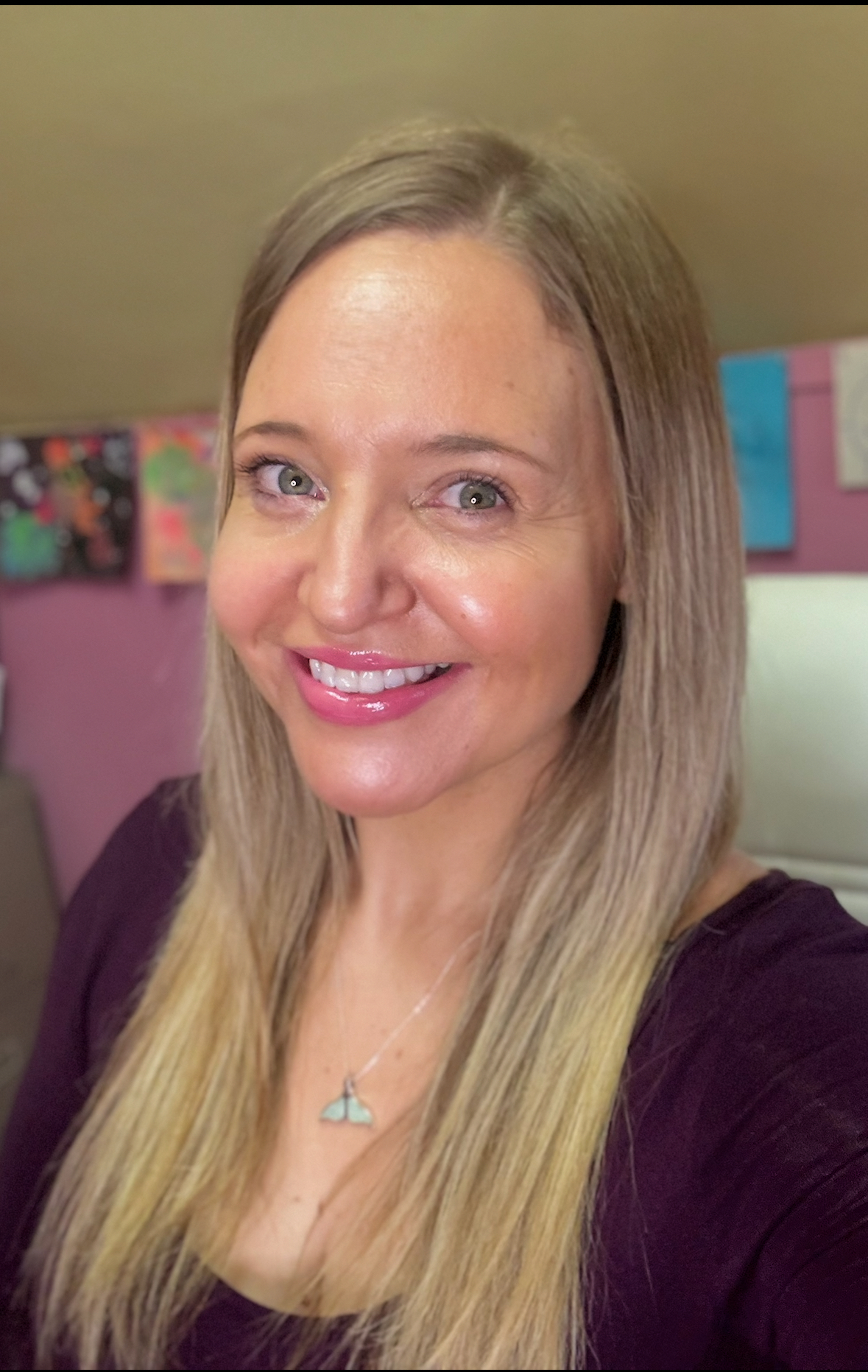
Former Australian Police Officer | First Responder Wellness Coach | Podcast Host and DJ
Former Australian Police Officer and Detective
Prior Crisis Counsellor for Suicide Prevention Organisation
First Responder Wellness Coach (Certified Life Coach)
Podcast Host - "I Will Hold Space For Your Darkness"
Radio Show Host/DJ - "Holding Space with Erin Jane" on The Thin Line Rock Station
Psychology and Counselling student (Australian Universities/Institutes)